
Some links on this page are affiliate links. This means we may earn a commission at no additional cost to you if you click through and make a purchase, you can check our Affiliate Disclosure. Thank you for your support!
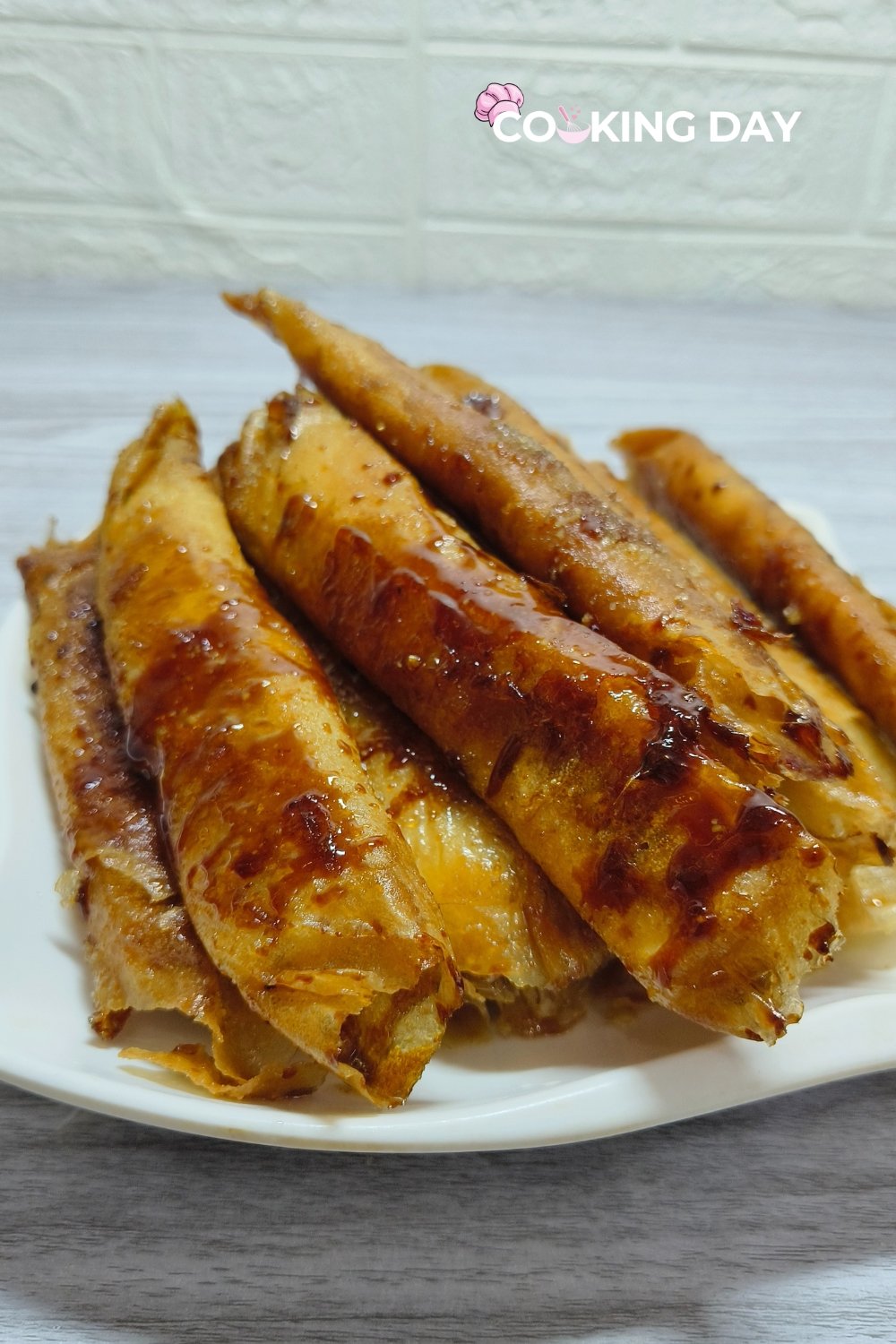
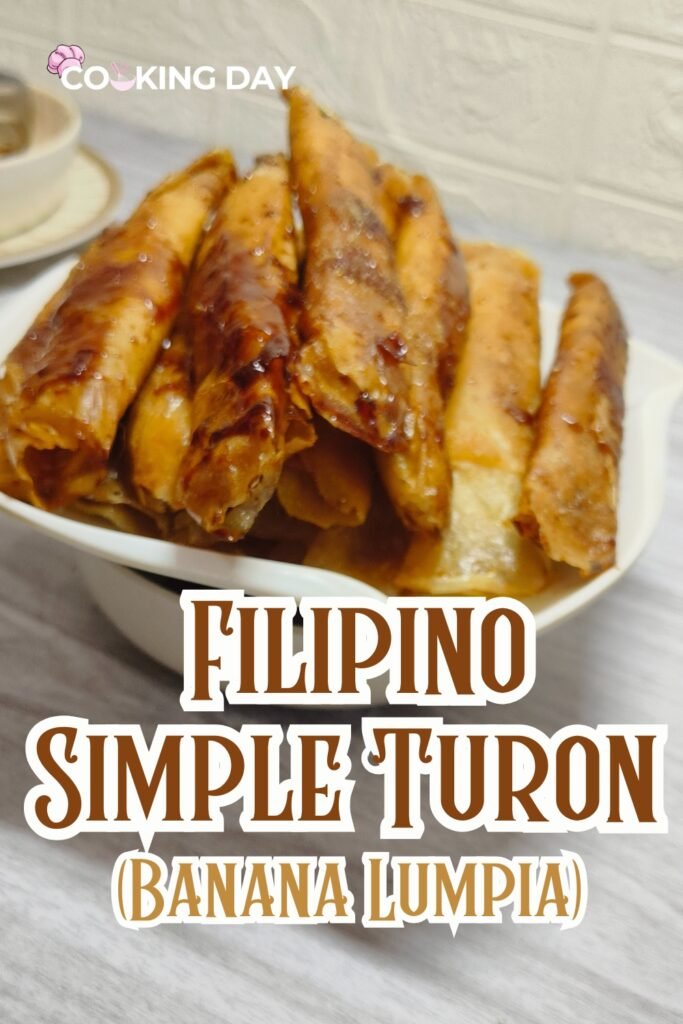
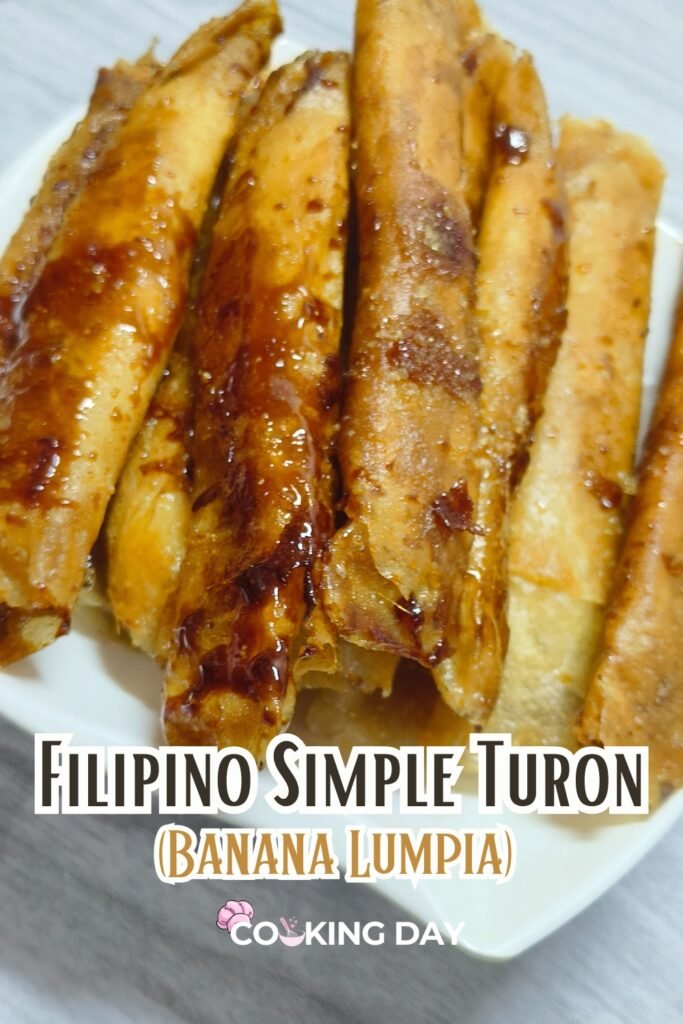
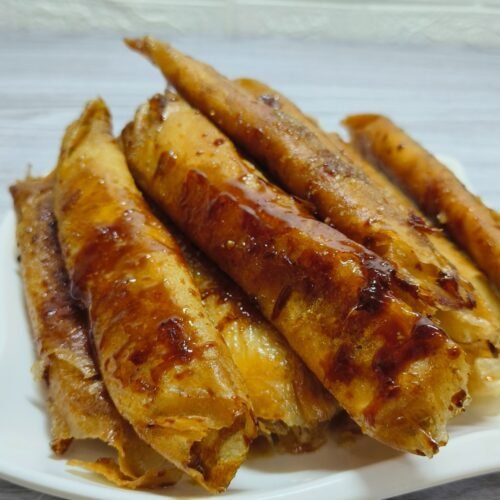
Traditional Banana Lumpia, better known as Turon, is a beloved Filipino snack and dessert made with ripe saba bananas, brown sugar, and thin lumpia wrappers. Once fried, the wrapper becomes crisp and golden while the banana inside turns warm, soft, and naturally sweet.
What makes turon especially irresistible is the caramelized brown sugar. The banana pieces are coated in sugar before wrapping, and an optional sprinkle of brown sugar can also be added to the frying oil to create a thin caramelized coating around the crispy wrapper.
This simple homemade version uses only four main ingredients and makes 12 pieces, making it an easy Filipino dessert for sharing with family and friends.
Why You’ll Love This Turon Recipe
Only four main ingredients are needed. Saba bananas, brown sugar, lumpia wrappers, and cooking oil are all you need.
The texture is irresistible. Each piece combines a crisp wrapper with warm, tender banana.
It’s naturally caramelized. Brown sugar melts around the banana and can also create a crisp caramel coating outside.
It makes 12 pieces. That’s plenty for sharing as a snack or dessert.
It uses saba bananas. These firm cooking bananas are traditionally used for turon and hold their shape well during frying.
You can add langka. Thin pieces of jackfruit make a classic and flavorful addition.
It’s best served warm. Freshly fried turon delivers the best combination of crunch and soft banana.
Ingredients
For the Turon
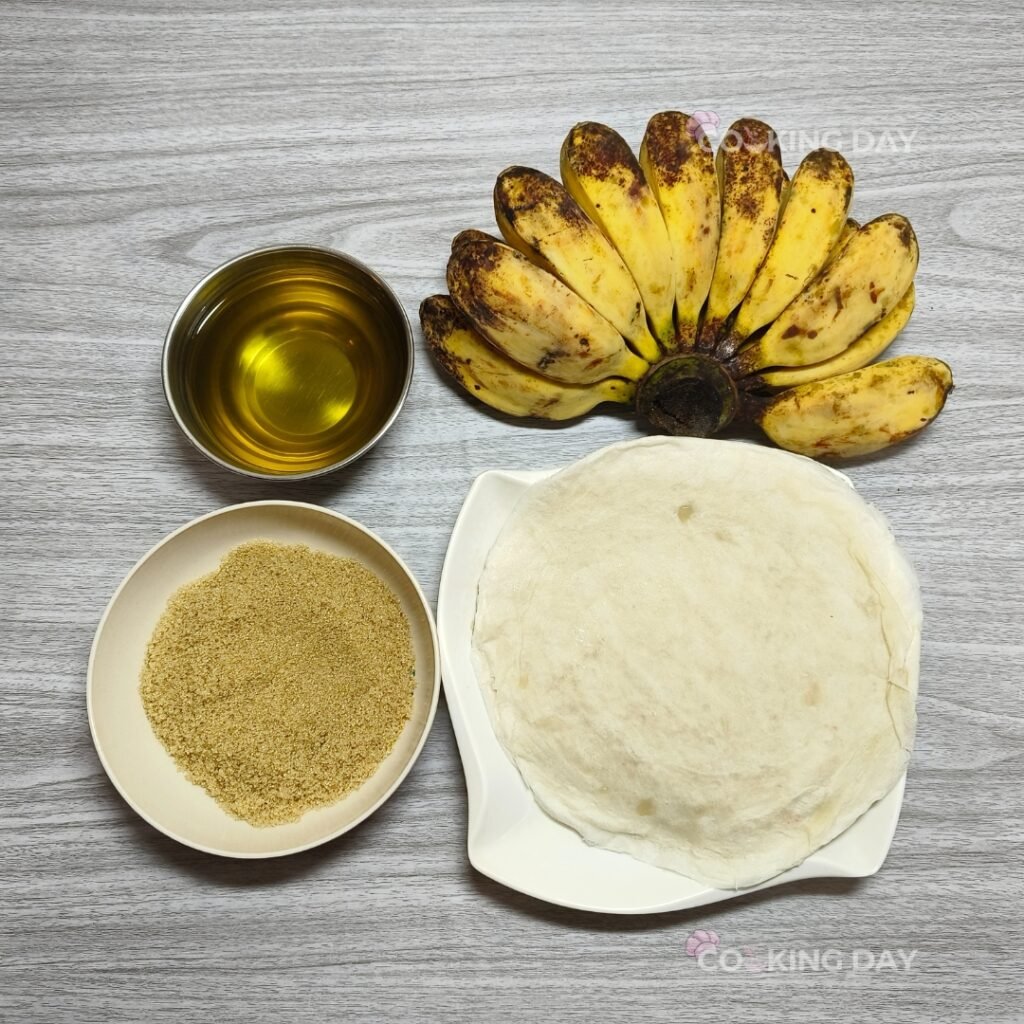
- 6 ripe saba bananas
- ½ cup brown sugar
- 12 lumpia or spring roll wrappers
- 1 cup vegetable or canola oil
Optional Addition
- Thin slices of jackfruit (langka)
Equipment
- Frying pan
- Tongs
- Cutting board
- Knife
- Shallow plate or bowl for brown sugar
- Small bowl of water for sealing
- Paper towels
- Serving plate
Ingredient Notes
Saba Bananas
Saba bananas are the preferred choice for traditional Filipino turon.
They have a firmer, starchier texture than many common dessert bananas and hold up particularly well during frying. As they cook, they soften and become sweeter without immediately turning into a soft puree inside the wrapper.
Use ripe saba bananas for the right combination of sweetness and structure.
Brown Sugar
Brown sugar serves more than one purpose.
First, the banana slices are rolled directly in brown sugar before wrapping. The sugar melts as the turon fries, creating a sweet caramelized layer around the fruit.
For additional caramelization, a little brown sugar can also be added to the hot oil. This step is optional and requires more attention because melted sugar can darken quickly.
Lumpia Wrappers
Thin lumpia wrappers create the characteristic crisp exterior.
Keep unused wrappers covered while you’re assembling the turon because thin spring roll wrappers can dry out quickly when exposed to air.
Cooking Oil
Vegetable or canola oil works well because both have relatively neutral flavors.
The recipe uses 1 cup cooking oil. The actual depth will depend on the size and shape of your frying pan, so use the tested quantity as your guide while making sure the turon can fry properly without overcrowding the pan.
How to Make Traditional Filipino Turon
Step 1: Prepare the Saba Bananas
Peel the 6 ripe saba bananas.
Slice each banana in half lengthwise.
This gives you 12 banana pieces for 12 individual turon.
Step 2: Coat with Brown Sugar
Place the brown sugar on a shallow plate or in a bowl.
Roll each banana piece in the sugar until the surface is well coated.
The sugar will begin melting during frying, adding sweetness and caramelization around the banana.
Step 3: Prepare the Lumpia Wrapper
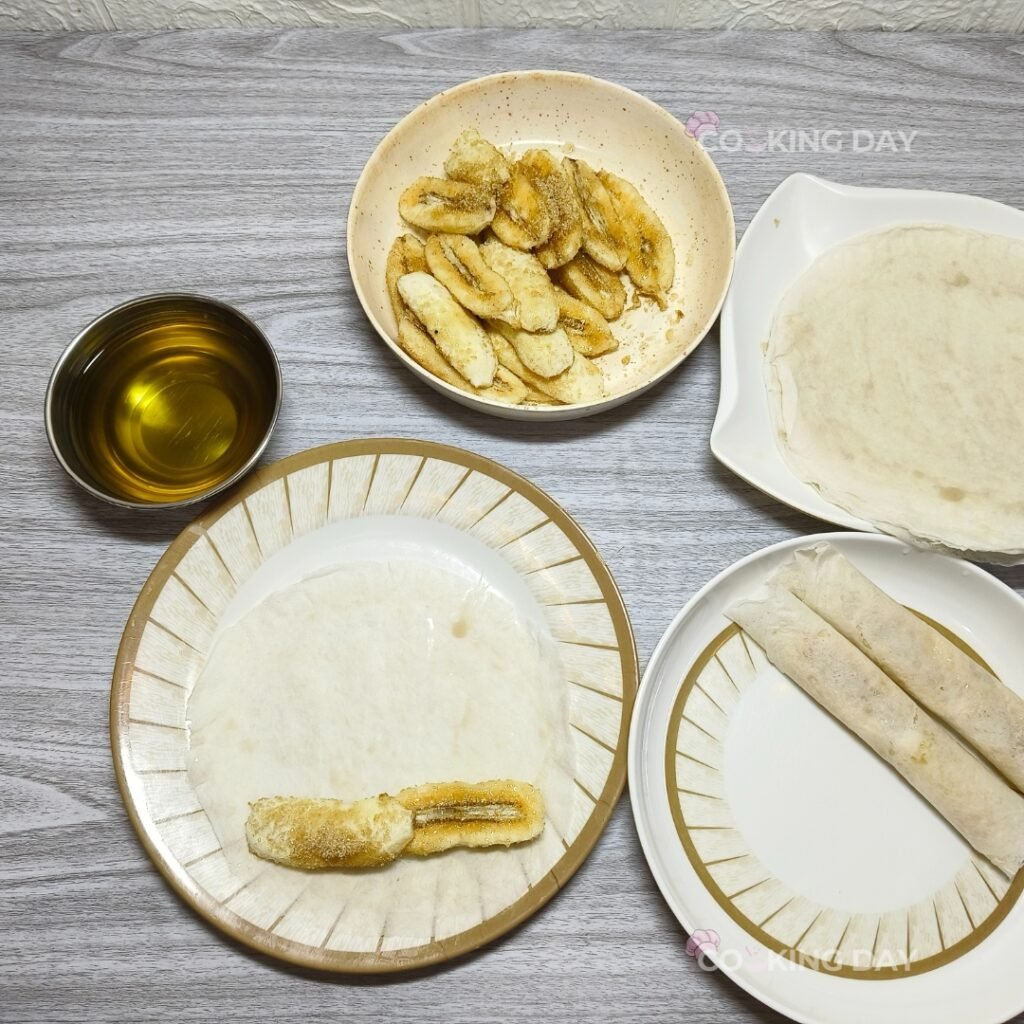
Place one lumpia wrapper on a clean, flat work surface.
Keep the remaining wrappers covered while you work so they don’t dry out.
Step 4: Add the Banana
Place one sugar-coated banana half near the lower portion of each wrapper
Step 5: Fold and Roll
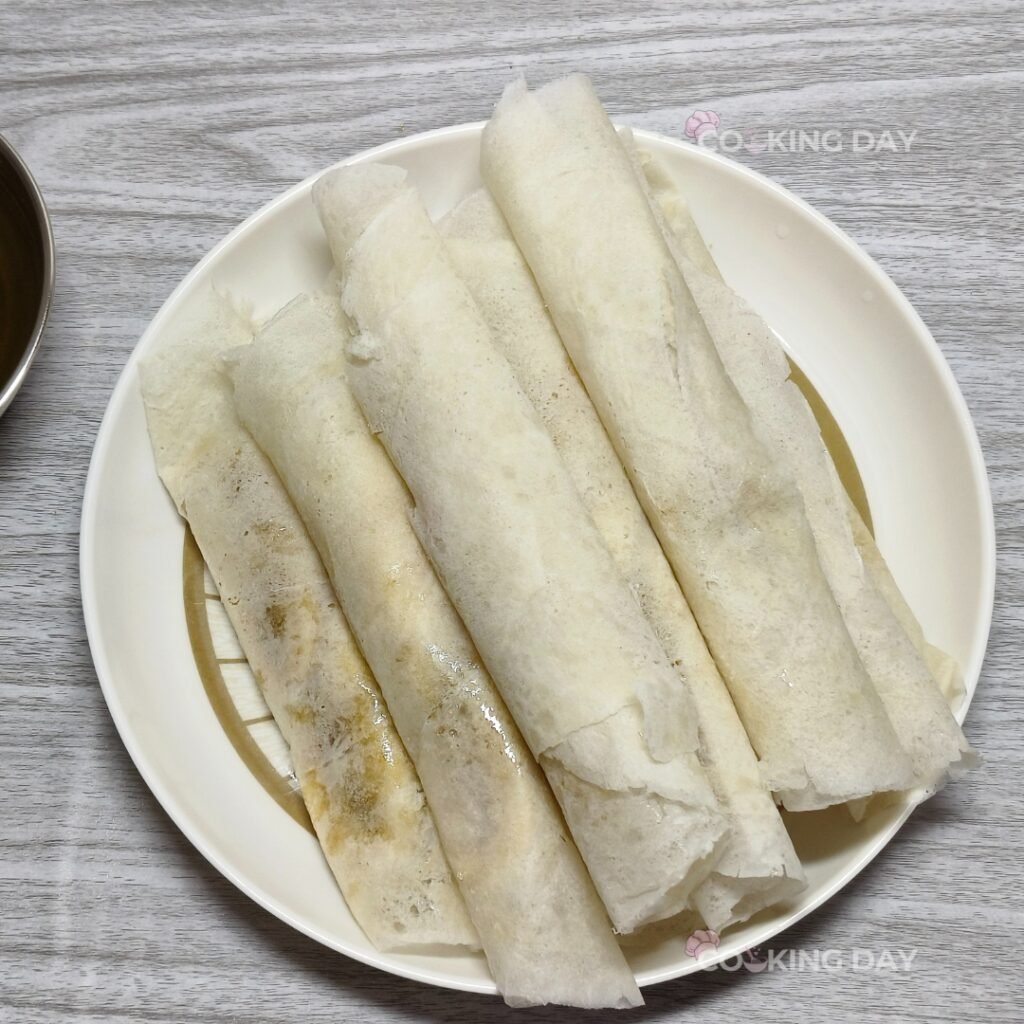
Fold the lower portion of the wrapper over the banana.
Bring the sides inward, then continue rolling tightly toward the opposite edge.
Keep the roll snug enough to hold its shape, but don’t pull so aggressively that the thin wrapper tears.
Step 6: Seal the Wrapper
Moisten the final edge with a small amount of water.
Press gently to seal.
Repeat with the remaining bananas and wrappers.
How to Fry Turon
Step 1: Heat the Oil
Add the cooking oil to a frying pan and heat it over medium heat. Let the oil heat before adding the turon, but keep the heat controlled because the brown sugar can darken quickly during frying.
Step 2: Add Brown Sugar for Extra Caramelization(Optional)
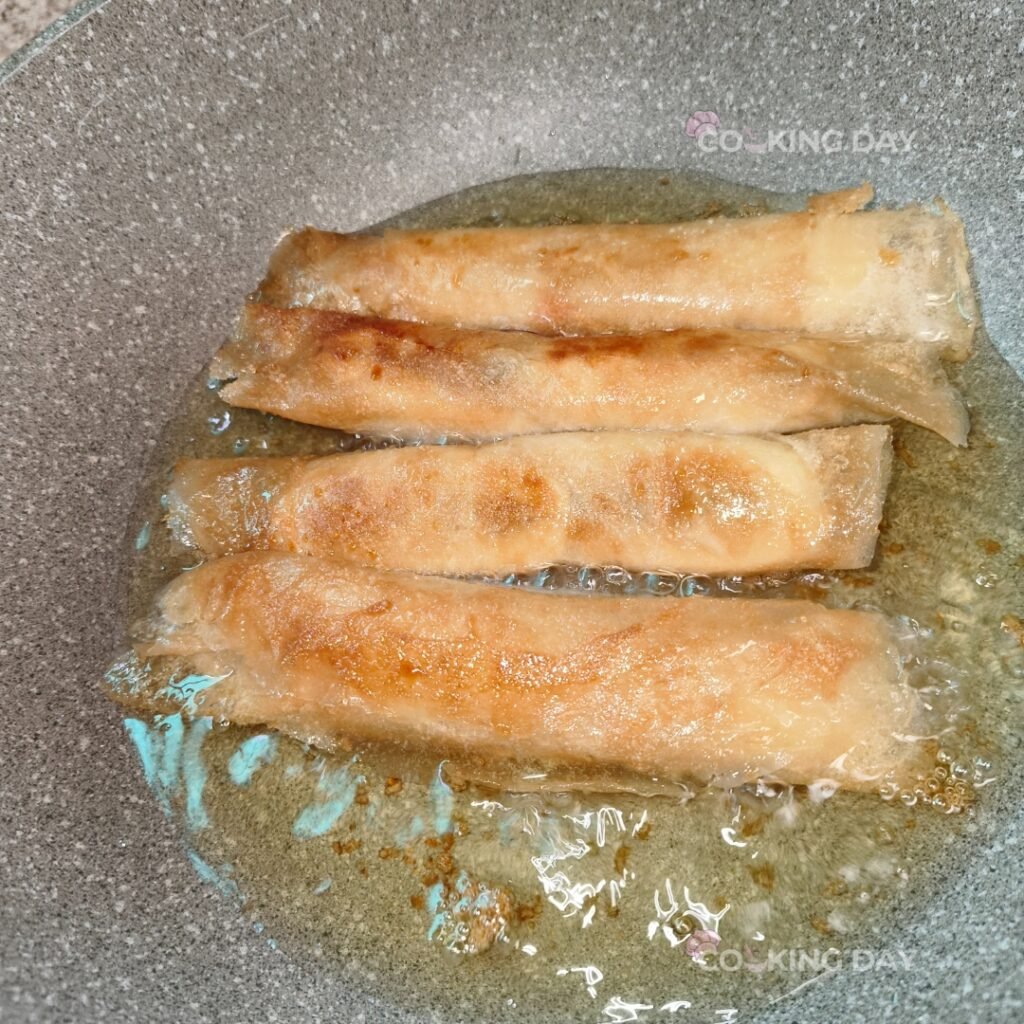
For a more caramelized exterior, sprinkle a small amount of brown sugar into the hot oil.
This step is optional.
The sugar will melt and begin caramelizing in the oil, where it can cling to the lumpia wrappers as they fry.
Work carefully because melted sugar becomes extremely hot and can continue darkening quickly.
Step 3: Fry in Batches
Carefully place several turon rolls into the pan.
Don’t overcrowd the pan.
Leaving enough room around each roll makes them easier to turn and helps prevent the oil temperature from dropping too dramatically.
Step 4: Turn as Needed
Fry the turon, turning occasionally with tongs, until the wrappers are crisp and evenly golden.
Watch the color closely, particularly if you added sugar directly to the oil.
Step 5: Remove Promptly
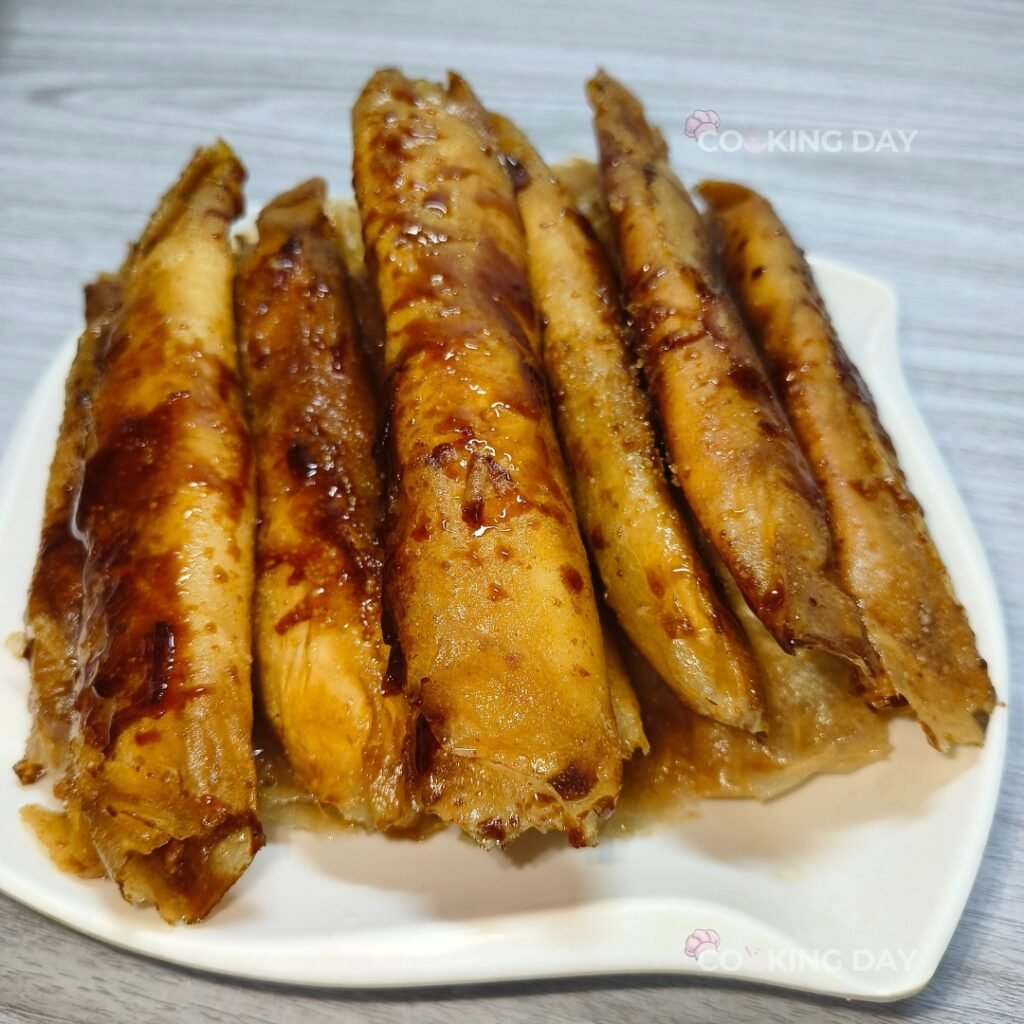
Once the wrappers are golden and crisp, carefully remove the turon from the pan.
Don’t wait for the caramel to become extremely dark. Sugar can move quickly from caramelized to burnt.
Step 6: Drain
Transfer the cooked turon to paper towels to remove excess oil.
Be careful when handling them. The caramelized sugar and banana filling can be extremely hot immediately after frying.
Step 7: Serve Warm
Allow the turon to cool enough to eat safely, then serve while still warm and crisp.
Tips for Perfect Turon
- Use saba bananas when available. Their firm texture makes them especially well suited to frying.
- Choose ripe but structured bananas. They should be sweet without being so soft that they’re difficult to wrap.
- Keep lumpia wrappers covered. Exposed wrappers can dry out and become more difficult to roll.
- Seal each roll securely. This helps the turon stay closed during frying.
- Don’t overcrowd the pan. Frying in batches gives you more control.
- Keep the heat moderate. The wrapper needs time to crisp without burning the sugar.
- Watch caramelized sugar closely. It can darken quickly.
- Use caution around hot caramel. Melted sugar can cause serious burns.
- Serve turon fresh. The contrast between crisp wrapper and soft banana is best soon after frying.
Common Mistakes to Avoid
Overfilling the Wrappers
Use one banana half per wrapper for this recipe. Adding too much filling makes the turon harder to roll securely and changes the stated 12-piece yield.
Using Very Soft Bananas
Overripe bananas can become difficult to handle and may turn excessively soft during frying.
Ripe saba bananas that still hold their shape are easier to coat, wrap, and fry.
Leaving Wrappers Uncovered
Lumpia wrappers can dry quickly.
Remove them one at a time and keep the remainder covered while assembling the batch.
Rolling Too Loosely
A very loose wrapper can unravel or trap excess oil.
Roll securely and seal the final edge with water.
Overcrowding the Frying Pan
Adding too many pieces at once makes turning difficult and can lower the oil temperature.
Work in manageable batches instead.
Burning the Caramel
Extra brown sugar in the oil creates delicious caramelization, but it also makes heat control more important.
If the sugar becomes very dark, it can develop a bitter flavor.
Expert Tips
Turon is simple, but caramelization and frying temperature make a major difference in the finished texture.
The brown sugar already coating the bananas provides sweetness inside each roll. Adding sugar directly to the oil creates a more pronounced caramel coating, but it isn’t essential for making good turon.
If you’re new to frying turon, you can skip the sugar in the oil for the first batch. This makes it easier to concentrate on achieving a crisp, evenly golden wrapper.
For later batches, remember that caramelized sugar remaining in the pan can continue darkening. Monitor both the color of the oil and the exterior of the turon rather than relying on a fixed cooking time.
Why Saba Bananas Are Best for Turon
Saba bananas are commonly used in Filipino cooking because their firm texture works well with heat.
Compared with softer dessert bananas, saba can withstand frying while maintaining enough structure inside the crisp wrapper.
Their flavor also becomes sweeter and richer as they cook, making them particularly well suited to caramelized desserts such as turon.
If saba bananas are available, they’re the preferred choice for the classic texture associated with turon.
Turon with Langka
One of the most popular variations is turon with langka, or jackfruit.
Add a thin piece of jackfruit alongside the sugar-coated saba banana before rolling the wrapper.
Jackfruit contributes a distinctive fruity aroma and additional sweetness without changing the basic frying method.
Avoid overfilling the wrapper. You still need enough room to fold the sides inward and create a secure roll.
Extra-Caramelized Turon
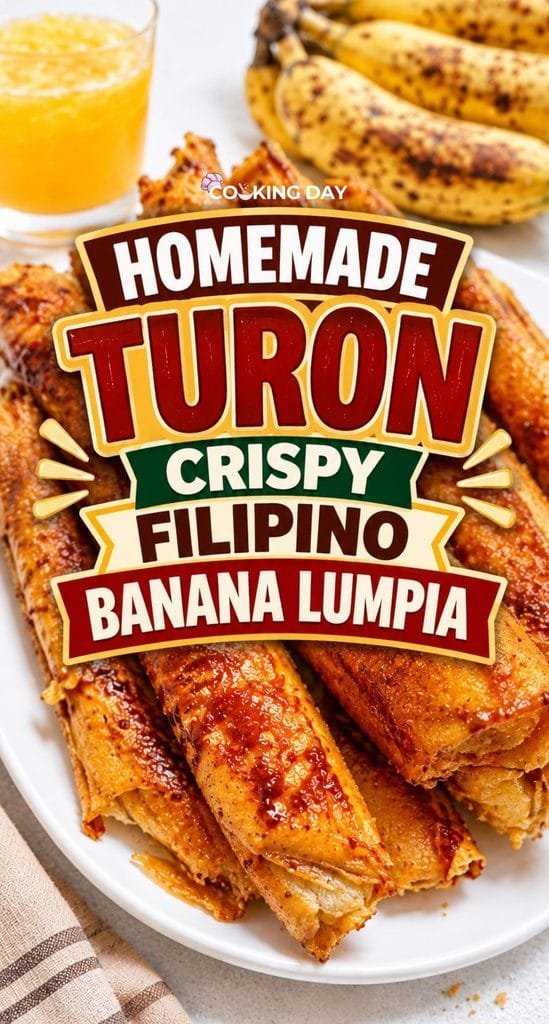
If you love a noticeable caramel shell, use the optional method of adding a little brown sugar to the frying oil.
As the sugar melts and caramelizes, turn the turon so the caramel can cling to the exterior.
Keep the heat under control and work carefully.
Hot caramel is considerably hotter and stickier than it appears, so use tongs and avoid touching freshly fried turon with your hands.
How to Keep Turon Crispy
Turon is at its crispiest shortly after frying.
After removing it from the oil, allow excess oil to drain without immediately sealing the hot pieces inside an airtight container. Steam trapped around the wrappers can soften their crisp exterior.
If you’re serving a large batch, fry in manageable batches and serve relatively soon after cooking.
The longer fried wrappers sit, particularly in a humid environment, the more their texture can soften.
Serving Ideas
Traditional Snack
Serve warm turon on its own.
The caramelized banana and crisp wrapper provide enough sweetness and texture without another topping.
Dessert
Serve turon as a simple dessert after a Filipino-inspired meal.
Because each piece is individually wrapped, it’s easy to portion for family meals and gatherings.
Turon with Ice Cream
For a richer dessert, pair warm turon with a scoop of vanilla or coconut ice cream.
The contrast between hot, crisp turon and cold ice cream works especially well with the caramelized banana.
Party Platter
Cut the turon in half after it has cooled enough to handle and arrange it on a platter for sharing.
Remember that the banana and caramel inside can remain hot longer than the exterior suggests.
Storing Leftover Turon
For the best texture, enjoy turon freshly fried.
If you have leftovers, let them cool slightly, then transfer them to a covered container and refrigerate promptly.
The wrappers will naturally lose some crispness during storage.
When reheating, dry heat is preferable when your goal is to restore some of the exterior crunch. Be especially careful with the filling after reheating because the banana and caramelized sugar can become very hot.
More Sweet Treats to Try
For a fruity dessert with warm cinnamon flavor, Baked Cinnamon Apple Crisp is another comforting option.
Mango Coconut Fudge Bites are a good choice when you want a tropical bite-sized treat with mango and coconut.
Tiramisu Truffles offer a creamy no-bake alternative with mascarpone, espresso, ladyfingers, and cocoa.
Nutella Truffles combine semisweet chocolate, chocolate-hazelnut spread, and crunchy hazelnuts for a richer chocolate dessert.
Final Thoughts
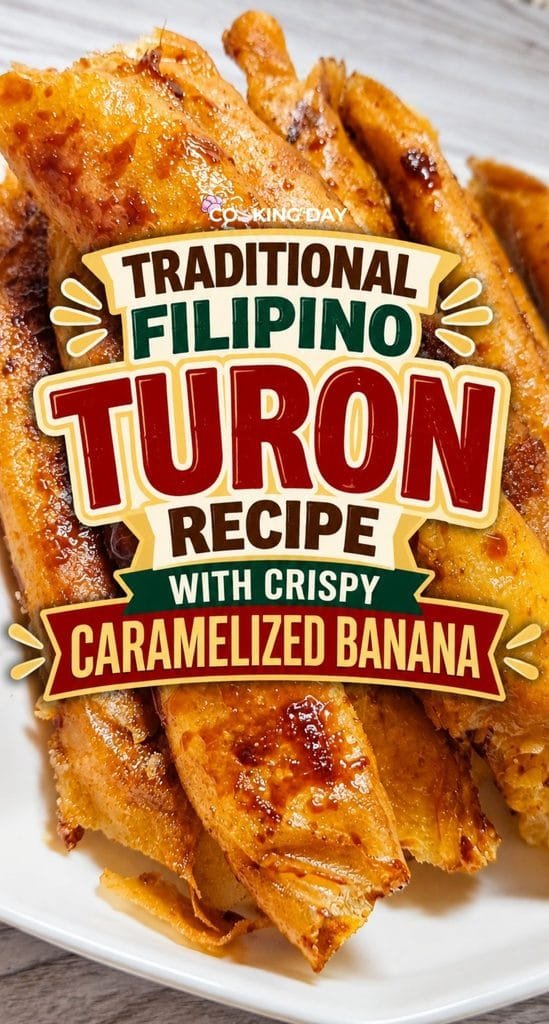
Traditional Turon proves that a short ingredient list can create an incredibly satisfying dessert. Ripe saba bananas become warm and tender inside thin lumpia wrappers, while brown sugar melts into a sweet caramelized layer.
For the best results, use ripe saba bananas that still hold their shape, keep the wrappers covered while assembling, and fry the rolls in batches so you can control the browning. If you want an extra caramelized exterior, add a little brown sugar to the oil and watch it carefully as it cooks.
Serve the turon warm while the wrapper is crisp, either on its own or with a little langka inside for a classic variation.
Traditional Banana Lumpia Recipe(Turon)

Equipment
- Frying pan
- Tongs
- Paper towels
Ingredients
- 6 ripe saba bananas, peeled and sliced in half lengthwise
- ½ cup brown sugar
- 12 lumpia (spring roll) wrappers
- 1 cup cooking oil (vegetable or canola)
Instructions
- Coat the Bananas in SugarRoll each banana slice in brown sugar, ensuring it is fully coated.
- Wrap the TuronLay a lumpia wrapper on a flat surface.Place two sugar-coated banana slice near the bottom edge of the wrapper and roll tightly.Seal the edge with a little water to secure the roll.
- Fry Until CrispyHeat oil in a pan over medium heat.Sprinkle a little brown sugar into the hot oil—this will create a caramelized, crispy coating on the wrapper.(This is Optional)Carefully add the turon rolls in batches, frying until golden brown and crispy, turning occasionally.
- Drain & ServeRemove from oil and place on a paper towel to drain excess oil.Serve warm and enjoy this crispy, sweet, and caramelized Filipino favorite!
- Give us a rating if you like this recipe
Notes
🔥 Tips for Perfect Traditional Turon:
✔ Use saba bananas – They are firmer, naturally sweet, and perfect for frying.✔ Don’t overcrowd the pan – This keeps the oil temperature steady and ensures crispiness.
✔ Extra caramelization? Drizzle more brown sugar over the turon while frying.
✔ Want a twist? Add jackfruit slices (langka) inside for a richer flavor. This keeps the turon authentic while highlighting the use of saba bananas for that perfect texture and taste. Enjoy! 🍌🔥