

Some links on this page are affiliate links. This means we may earn a commission at no additional cost to you if you click through and make a purchase, you can check our Affiliate Disclosure. Thank you for your support!
Cape Malay Fish Sosaties bring together tender pieces of white fish, sweet dried apricots, and a beautifully fragrant curry marinade in a dish that feels made for sharing.
Sosaties are especially associated with South African cooking, where skewered meat or fish can be prepared over a braai. This fish version gets much of its character from the Cape Malay-inspired combination of curry spices, coriander, onions, brown sugar, vinegar, and fresh lemon juice. The result is sweet, tangy, warmly spiced, and savory all at once.
What I especially like about this recipe is the contrast between the fish and dried apricots. Hake has a mild flavor that readily takes on the marinade, while the apricots add little pockets of fruity sweetness between the pieces of fish.
The marinade needs time to work, so this is a recipe to start the evening before you plan to cook. Once the fish has marinated, however, the actual cooking is straightforward. You can prepare the sosaties over a braai or grill for a lightly charred finish, or bake them in the oven when outdoor cooking is not practical.
Let me show you how to make Cape Malay Fish Sosaties at home.

Why This Recipe Works
The marinade is what gives these fish sosaties their distinctive character.
Cooking the onions first softens them and develops their natural sweetness. Adding curry powder and coriander seeds directly to the warm butter helps release their aromas before the liquids are added.
Brown sugar balances the sharpness of the white wine vinegar and lemon juice without turning the marinade into an overly sweet sauce. The dried apricots reinforce that sweet and savory contrast while adding a pleasantly chewy texture.
Hake works particularly well because its mild flavor does not compete with the spices. At the same time, the pieces are substantial enough to thread onto skewers when handled carefully.
Allowing the skewers to marinate overnight gives the flavors time to penetrate the fish. Because the marinade is acidic, however, there is no need to leave the fish soaking for several days. Overnight is plenty for a flavorful result without compromising the delicate texture.
You also have two convenient cooking options. A braai or grill gives the fish lightly charred edges and a smoky character, while the oven provides an easy alternative with less hands-on cooking.
Ingredients
For the Fish Sosaties
- 1.5 kg (about 3⅓ pounds) hake fillets, cut into approximately 2-inch cubes
- 18 dried apricots
- Salt, to taste
- Freshly ground black pepper, to taste
- 6 skewers
For the Cape Malay Marinade
- 3 tablespoons butter
- 3 onions, peeled and sliced
- 3 tablespoons curry powder
- 3 tablespoons coriander seeds
- 3 tablespoons brown sugar
- 1 cup white wine vinegar
- Juice of 3 lemons
Equipment
You will need a large saucepan or pot for preparing the marinade, along with a wooden spoon for stirring.
For assembling and marinating the fish, have 6 wooden or metal skewers and a non-reactive glass or ceramic container ready. You will also need a cutting board, sharp knife, and measuring cups and spoons.
The sosaties can be cooked on an outdoor grill or braai. For the oven method, you will need a baking sheet or shallow baking dish.
An instant-read thermometer is also useful for checking the fish without relying solely on cooking time.
Step by Step Instructions
1. Prepare the Marinade
Melt the butter in a large saucepan over medium heat.
Add the sliced onions and cook for approximately 5 minutes, stirring occasionally, until they begin to soften.
Add the curry powder and coriander seeds. Cook for another 2 minutes, stirring frequently.
You should notice the aroma of the spices becoming stronger as they warm in the butter. Avoid cooking them over excessively high heat because the spices can burn and become bitter.
Stir in the brown sugar and cook for approximately 3 minutes, until it dissolves and begins to caramelize slightly.
Pour in the white wine vinegar and fresh lemon juice. Stir well and bring the mixture to a gentle simmer.
Cook for approximately 10 minutes, allowing the flavors to come together.
Remove the saucepan from the heat and let the marinade cool completely.
Do not pour warm or hot marinade over the raw fish.
2. Prepare the Skewers
If you are using wooden skewers, place them in water and soak for at least 30 minutes before assembling the sosaties.
Cut the hake into approximately 2-inch cubes. Try to keep the pieces relatively similar in size so they cook at roughly the same rate.
Thread the fish and dried apricots onto the skewers, alternating between them and dividing the ingredients evenly among the 6 skewers.
Leave a little space between the fish pieces rather than packing everything tightly together. This allows the heat to reach more of the surface.
Season lightly with salt and freshly ground black pepper.
3. Marinate the Fish
Arrange the assembled skewers in a single layer inside a non-reactive glass or ceramic container.
Once the marinade is completely cool, pour it over the skewers.
Turn the sosaties gently so the fish is evenly coated.
Cover the container and refrigerate for at least 8 hours, preferably overnight.
If possible, turn the skewers once or twice while they marinate so all sides spend some time in the flavorful curry mixture.
4. Cook the Sosaties on a Braai or Grill
Prepare your braai or outdoor grill for medium heat.
Remove the fish sosaties from the refrigerator while the grill heats.
Lift each skewer from the marinade and allow the excess liquid to drain away.
Arrange the sosaties over medium heat.
Cook while turning periodically so the fish cooks evenly and develops a little color on several sides.
Fish can go from tender to dry quite quickly, so begin checking it early rather than automatically cooking the skewers for a fixed amount of time.
The fish is ready when it is opaque, flakes easily, and reaches an internal temperature of 145°F (63°C) in the thickest pieces.
Serve immediately.
5. Oven Method
If you would rather bake the sosaties, preheat the oven to 350°F (180°C).
Remove the skewers from the marinade and allow the excess to drain away.
Arrange them on a baking sheet or in a shallow baking dish, leaving a little space between each skewer.
Bake until the fish becomes opaque and flakes easily.
Begin checking after approximately 12 to 15 minutes. Larger pieces may need closer to 20 minutes.
Check one of the thickest pieces with an instant-read thermometer. The center should reach 145°F (63°C).
Remove from the oven and serve while hot.

Tips for the Best Cape Malay Fish Sosaties
Cut the fish into similar-sized pieces. Uneven pieces can leave you with smaller cubes that are dry by the time the larger ones are cooked.
Let the marinade cool completely. This is particularly important with fish. Hot marinade can begin changing the exterior before the actual marinating period starts.
Give the fish enough time to marinate. Starting the recipe the evening before makes preparation much easier the following day and gives the curry, citrus, and onion flavors time to develop.
Keep the heat moderate. Very high heat can cook or char the exterior before the center of thicker pieces is ready.
Handle hake gently. Once it begins cooking, the fish becomes more delicate. Turn the skewers carefully rather than repeatedly moving them around.
Use a thermometer when possible. The thickness of your fish cubes and the temperature of your grill can change the cooking time considerably.
Common Mistakes to Avoid
Pouring Hot Marinade Over the Fish
The marinade should be completely cool before it touches the raw hake. Preparing the marinade ahead of time makes this easy.
Marinating the Fish for Too Long
More marinating time is not necessarily better. Lemon juice and vinegar are acidic, and prolonged exposure can alter the texture of delicate fish.
An overnight marinade provides plenty of time for the flavors to develop.
Cutting the Fish Too Small
Tiny cubes can cook before the onions and apricots have had a chance to warm through. Pieces around 2 inches are easier to skewer and less likely to dry out quickly.
Packing the Skewers Too Tightly
Leaving small gaps between the pieces encourages more even cooking.
Overcooking the Fish
This is probably the most important mistake to avoid. Hake should remain tender and moist rather than becoming dry and flaky to the point of falling apart.
Start checking early and remove the skewers once the fish reaches 145°F (63°C).
Expert Tips
For better control over cooking, choose thicker hake fillets whenever possible. Very thin tail pieces are more difficult to cut into sturdy cubes for skewering.
If some pieces of fish are noticeably thinner than the others, fold them gently before threading them onto the skewer. This can help create a more consistent thickness.
When cooking over a braai, wait until you have steady medium heat rather than aggressive flames. The brown sugar in the marinade can caramelize quickly, so excessive direct flame may burn the outside.
The aroma is one of the best indicators that the marinade is developing properly. As the curry powder and coriander warm in the butter, they should smell fragrant and toasted rather than scorched.
Finally, resist the temptation to keep turning the fish. Give it time to cook on each side before gently rotating the skewers.
Variations
Spicier Fish Sosaties
Add a small amount of cayenne pepper, chili flakes, or finely chopped fresh chili to the marinade if you prefer more heat.
Extra Apricot Sosaties
Add additional dried apricots between the fish pieces for a sweeter fruit-forward version.
Vegetable Fish Sosaties
Thread chunks of bell pepper between the fish and apricots. Choose vegetables that can cook within approximately the same amount of time as the fish.
Smaller Sosaties
Make shorter skewers for parties or gatherings. Smaller portions can work particularly well when the sosaties are being served alongside several other dishes.
Ingredient Substitutions
Hake
If hake is unavailable, use another firm white fish that can be cut into cubes and threaded onto skewers without falling apart easily.
White Wine Vinegar
Apple cider vinegar can work when necessary, although it will give the marinade a slightly different flavor.
Butter
A neutral cooking oil can be used instead, although butter adds richness to the onions and spices.
Dried Apricots
Other dried fruit can change the character of the dish considerably, so dried apricots are worth using when possible. Their sweet-tart flavor works particularly well with the curry marinade.
Coriander Seeds
If you only have ground coriander, you can use it in a smaller quantity. Whole coriander seeds provide more texture and a different aromatic quality, so they are preferred for this recipe.

What to Serve With Cape Malay Fish Sosaties
Steamed rice is one of the easiest accompaniments because it provides a simple base for the strongly flavored fish.
You can also serve the skewers with yellow rice, grilled vegetables, roasted vegetables, or a crisp green salad.
A fresh cucumber or tomato salad can be particularly good alongside the sweet and tangy curry flavors.
For a larger gathering, serve the sosaties as part of a spread with rice, vegetables, salads, bread, and additional grilled dishes.
Storage Instructions
Remove any leftover fish from the skewers and transfer it to an airtight container once cooled.
Refrigerate promptly and use within 1 to 2 days for the best texture and flavor.
Reheat gently until hot throughout. Avoid prolonged reheating because fish can become dry quickly.
Do not reuse marinade that has been in contact with raw fish unless it has been thoroughly boiled first. For simplicity and food safety, discarding the used marinade after removing the skewers is the easiest option.
More Recipes to Try
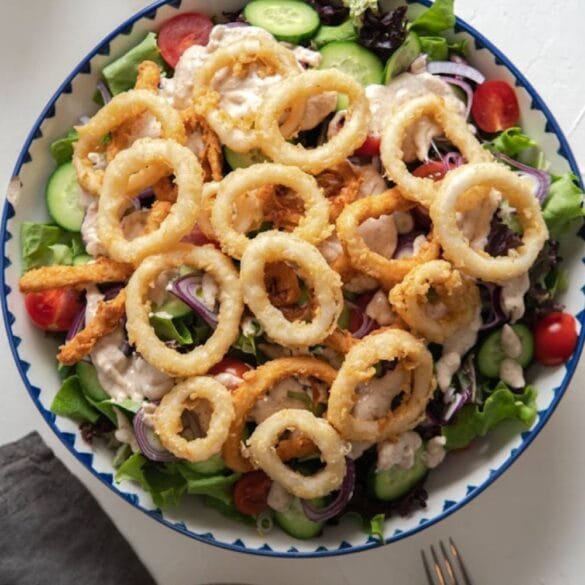
If you enjoy flavorful seafood dishes like these Cape Malay Fish Sosaties, try Crispy Calamari Salad for tender fried calamari served over cool, crisp vegetables with a creamy lemon dressing.
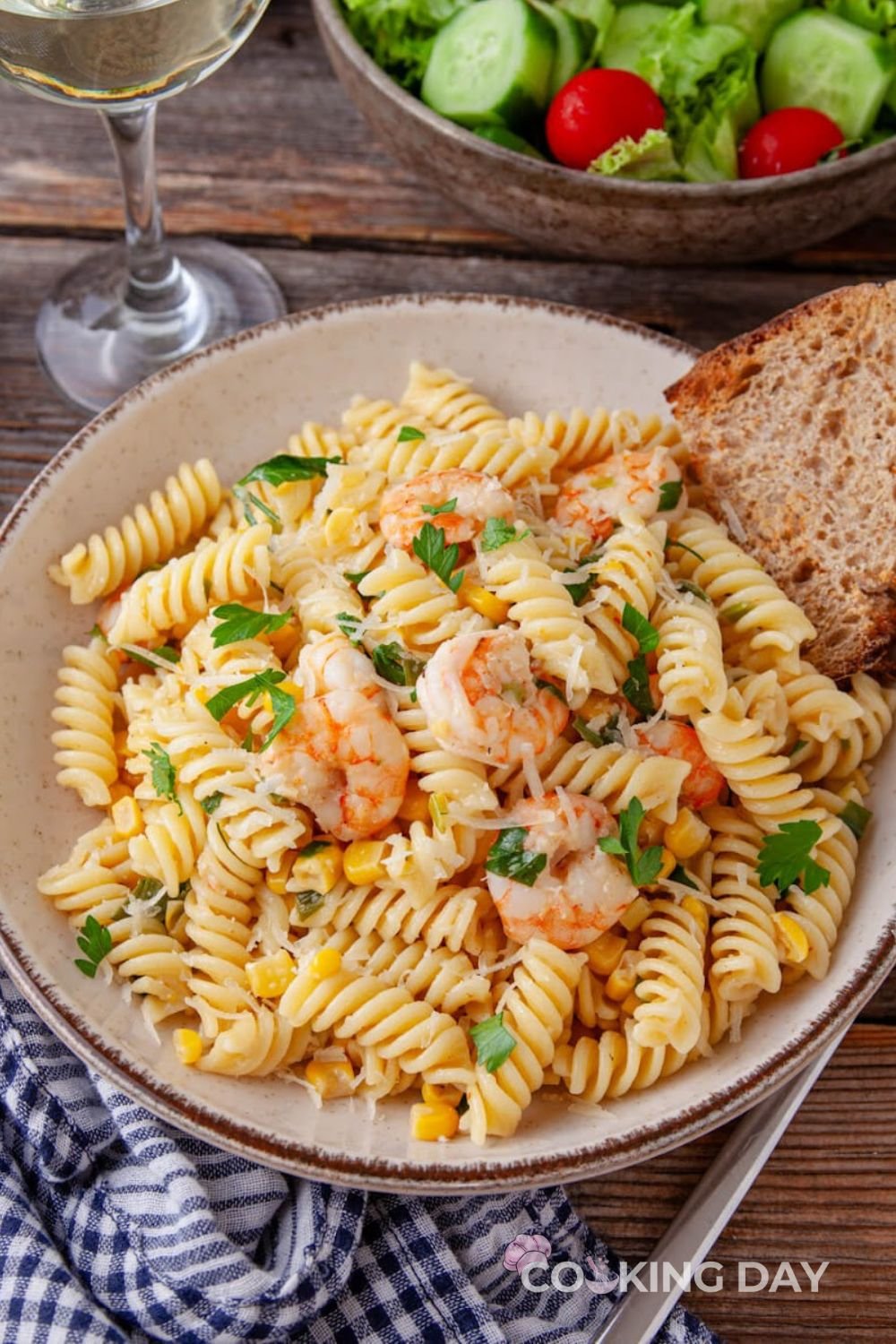
Shrimp and Corn Rotini is another satisfying seafood option, combining shrimp and sweet corn with pasta in a light, creamy sauce.
For something crisp and golden, Crispy Lemon Panko Fried Shrimp makes a great appetizer or seafood dinner.

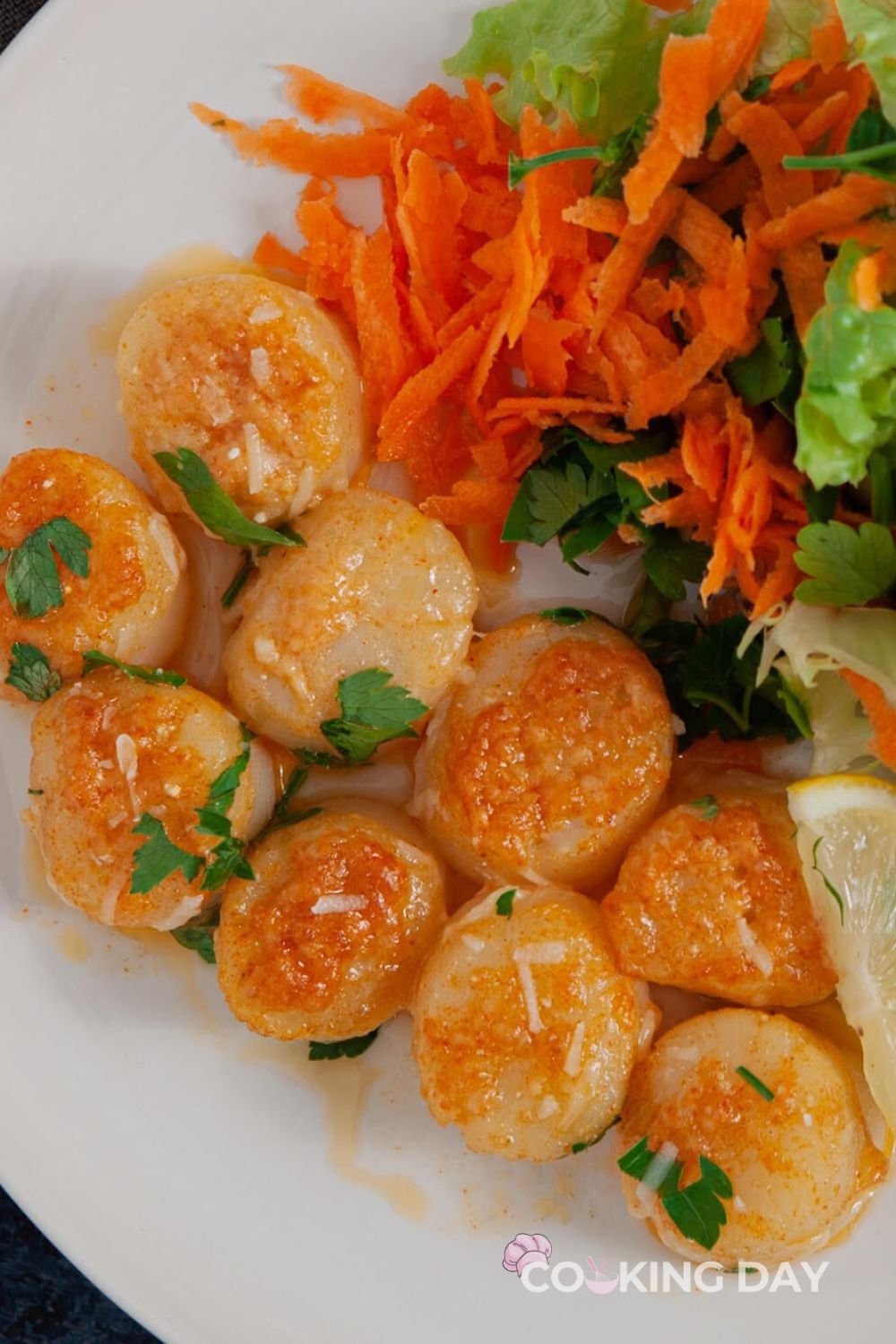
You can also try Crispy Butter Lemon Parmesan Baked Scallops when you want a seafood dish with buttery, citrusy flavors and a crisp topping.
Final Thoughts
Cape Malay Fish Sosaties are a wonderful example of how a simple ingredient like white fish can take on an entirely different personality with the right marinade.
The warm curry spices, caramelized onion, bright lemon, tangy vinegar, and sweet dried apricots create layers of flavor without overwhelming the delicate hake.
The overnight marinade requires a little planning, but most of that time is completely hands-off. When you’re ready to cook, the skewers can go straight onto the braai or into the oven.
Serve them with rice and a fresh salad for an easy meal, or add them to a larger spread when you’re cooking for family and friends. Either way, those sweet apricot pieces tucked between the tender, curried fish make these Cape Malay Fish Sosaties much more memorable than an ordinary fish skewer.

Cape Malay Fish Sosaties

Equipment
- Large saucepan or pot
- Wooden spoon
- 6 wooden or metal skewers
- Non-reactive glass or ceramic container
- Cutting board
- Sharp knife
- Measuring cups and spoons
- Outdoor grill or oven
- Baking sheet, if oven cooking
Ingredients
Fish Sosaties
- 1.5 kg about 3⅓ pounds hake fillets, cut into approximately 2-inch cubes
- 18 dried apricots
- Salt and freshly ground black pepper to taste
- 6 skewers
Cape Malay Marinade
- 3 tablespoons butter
- 3 onions peeled and sliced
- 3 tablespoons curry powder
- 3 tablespoons coriander seeds
- 3 tablespoons brown sugar
- 1 cup white wine vinegar
- Juice of 3 lemons
Instructions
Prepare the Marinade
- Melt the butter in a large saucepan over medium heat.
- Add the sliced onions and cook for about 5 minutes, stirring occasionally, until softened.
- Add the curry powder and coriander seeds. Cook for another 2 minutes, stirring frequently, until the spices become fragrant.
- Stir in the brown sugar and cook for approximately 3 minutes, until the sugar dissolves and begins to caramelize.
- Pour in the white wine vinegar and lemon juice. Stir well, bring to a gentle simmer, and cook for 10 minutes.
- Remove the marinade from the heat and allow it to cool completely before pouring it over the raw fish.
Assemble the Sosaties
- If using wooden skewers, soak them in water for at least 30 minutes before assembling to help prevent them from burning during cooking.
- Thread the hake pieces and dried apricots onto the skewers, dividing them evenly among the 6 skewers.
- Season the assembled skewers lightly with salt and black pepper.
- Arrange the sosaties in a single layer in a non-reactive glass or ceramic container.
Marinate
- Once the marinade is completely cool, pour it over the fish skewers. Make sure the fish is well coated.
- Cover and refrigerate for at least 8 hours or overnight. Turn the skewers occasionally so the marinade coats them evenly.
Cook on the Braai or Grill
- Remove the sosaties from the refrigerator while preparing a grill for medium heat.
- Lift the skewers from the marinade and allow the excess liquid to drain away.
- Grill the sosaties over medium heat, turning periodically, until the fish is opaque, flakes easily, and reaches 145°F (63°C) in the center. Depending on the size of the fish pieces and heat of the grill, begin checking well before 20 minutes to avoid overcooking.
Oven Method
- Preheat the oven to 350°F (180°C).
- Arrange the sosaties on a baking sheet or shallow baking dish.
- Bake until the fish is opaque, flakes easily, and reaches 145°F (63°C) in the thickest pieces. Begin checking around 12 to 15 minutes. Larger pieces may require closer to 20 minutes.
- Serve the fish sosaties hot
Notes
- Cool the marinade completely before adding it to the fish. Pouring a hot marinade over raw fish can begin cooking the exterior prematurely.
- Hake is a delicate white fish, so handle the skewers carefully when turning them.
- A non-reactive glass or ceramic dish is recommended because the marinade contains both vinegar and lemon juice.
- The original method allows the fish to marinate for up to 3 days. For a home recipe card, an overnight marinade is a more conservative choice because raw fish is delicate and the acidic marinade can noticeably change its texture during prolonged marinating.
- Do not judge doneness by cooking time alone. Fish should reach 145°F (63°C) and should be opaque and flake easily.
- If you cannot find hake, another firm white fish suitable for skewering can be used.
- Serve with rice, a fresh salad, or grilled vegetables for a complete meal.