
Some links on this page are affiliate links. This means we may earn a commission at no additional cost to you if you click through and make a purchase, you can check our Affiliate Disclosure. Thank you for your support!
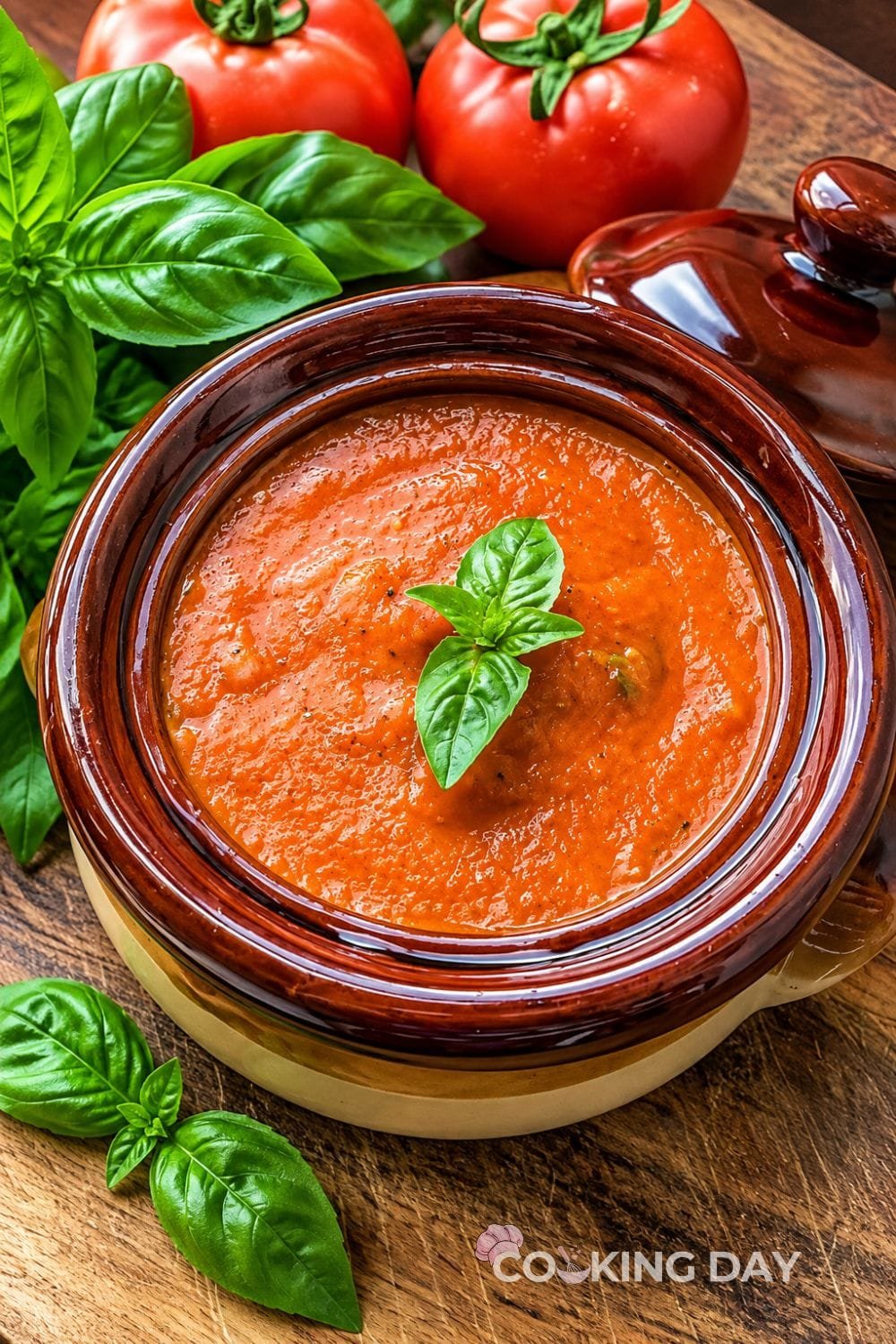
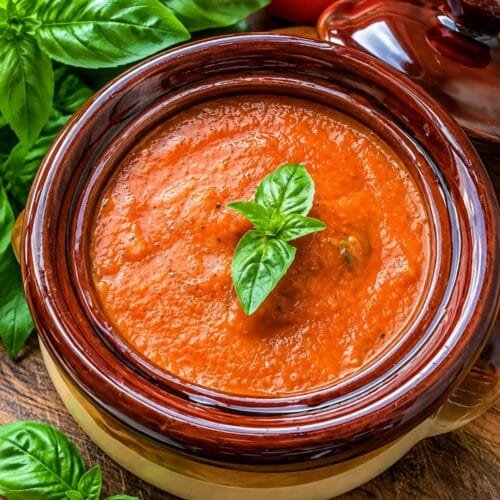
There is something especially satisfying about turning a pile of ripe tomatoes into a pot of homemade soup. This Garden Fresh Tomato Basil Soup makes the most of fresh tomatoes by pairing them with onion, carrot, celery, garlic, rosemary, thyme, and plenty of fresh basil.
Instead of simmering everything on the stovetop for a long time, the Instant Pot does most of the work. The vegetables are sautéed first to build flavor, then the tomatoes and herbs are pressure cooked until tender. Once everything is cooked, fresh basil goes in right before blending so its bright flavor does not disappear during pressure cooking.
The result is a smooth tomato soup with the freshness of ripe tomatoes, savory vegetables, fragrant herbs, and just enough natural sweetness from the carrot and onion.
It is delicious on its own, but give me a grilled cheese sandwich and a bowl of this soup and I am very happy. Let me show you how to make it.
Why This Recipe Works
Fresh tomatoes are the real star here, so this soup tastes different from tomato soups made primarily with canned tomatoes or tomato sauce.
Starting with onion, celery, and carrot creates a flavorful base. Allowing those vegetables to develop a little color during sautéing gives the finished soup more depth than simply adding everything directly to the pressure cooker.
Garlic, thyme, rosemary, and bay leaf build another layer of savory flavor without overpowering the tomatoes.
Pressure cooking softens the vegetables quickly and helps all those flavors come together.
Fresh basil is deliberately added after pressure cooking. Basil has a delicate flavor, and adding it toward the end helps preserve more of its fresh aroma.
Finally, blending turns the cooked vegetables into a naturally thick, smooth soup without requiring cream or flour.
Ingredients
Extra virgin olive oil: Used for sautéing the vegetables and creating the flavor base of the soup.
Yellow onion: Adds savory flavor and natural sweetness as it cooks.
Celery: Provides subtle aromatic flavor and helps create a more complex soup base.
Carrot: Adds body and a gentle sweetness that balances the acidity of the tomatoes.
Sea salt and black pepper: Season the vegetables at the beginning, then adjust again after blending.
Garlic: Two to three cloves give the soup plenty of savory garlic flavor without overwhelming the fresh tomatoes.
Chicken or vegetable stock: One cup provides enough liquid for pressure cooking and helps deglaze the pot. Keep additional stock nearby so you can adjust the soup after blending.
Fresh tomatoes: Three pounds of ripe tomatoes form the base of the soup. Roma, vine-ripened, or flavorful garden tomatoes all work well.
Bay leaf: Adds subtle savory depth during pressure cooking.
Fresh thyme: Four sprigs gently infuse the soup as it cooks.
Fresh rosemary: Two sprigs add a fragrant herbal note.
Fresh basil: Half a cup of julienned basil is stirred in after cooking. Keep a little extra for garnish if desired.
Equipment
You will need an Instant Pot or another electric pressure cooker for this recipe.
A cutting board and sharp knife are needed for preparing the vegetables, along with measuring cups and spoons and a wooden spoon for sautéing and deglazing.
For blending, use a high-powered blender, food processor, or immersion blender.
An immersion blender is especially convenient because you can blend everything directly in the Instant Pot.
If you prefer an exceptionally smooth texture, a countertop blender generally produces a silkier consistency, but you need to use extra caution when blending hot liquids.
Step by Step Instructions
Step 1. Prepare the Vegetables
Chop the onion, celery, carrot, garlic, and fresh tomatoes before you begin cooking.
Having everything ready is helpful because the sautéing process moves fairly quickly once the Instant Pot is hot.
Step 2. Sauté the Aromatic Vegetables
Select the Sauté function on your Instant Pot.
Once the pot is hot, add 2 tablespoons of extra virgin olive oil.
Add the chopped onion, celery, and carrot.
Season lightly with sea salt and freshly ground black pepper.
Cook for approximately 4 to 5 minutes, stirring occasionally.
You are not trying to fully cook the vegetables at this point. You simply want them to begin softening and developing a little color.
Step 3. Add the Garlic
Stir in the chopped garlic.
Cook for approximately 1 minute, stirring frequently.
Garlic can burn quickly, so do not walk away during this step. It should become fragrant without turning dark brown.
Step 4. Deglaze the Instant Pot
Pour in 1 cup of chicken or vegetable stock.
Use a wooden spoon to scrape across the bottom of the pot, loosening any browned bits left from sautéing the vegetables.
Those browned bits contain plenty of flavor, but removing them from the bottom is also important when pressure cooking because stuck-on food can sometimes trigger a burn warning.
Allow the mixture to cook for another 2 to 3 minutes.
Press Cancel to turn off the Sauté function.
Step 5. Add the Tomatoes and Herbs
Add the chopped fresh tomatoes to the Instant Pot.
Add the bay leaf, thyme sprigs, and rosemary sprigs.
Stir gently to combine everything.
Step 6. Pressure Cook
Secure the Instant Pot lid and set the pressure valve to Sealing.
Select Manual or Pressure Cook and cook on high pressure for 4 minutes.
Remember that the Instant Pot will need additional time to come to pressure before the 4-minute cooking countdown begins.
Step 7. Allow a Short Natural Release
When the pressure-cooking cycle is complete, allow the pressure to release naturally for 5 minutes.
After 5 minutes, carefully release any remaining pressure according to the instructions for your pressure cooker.
Wait until the pressure has fully released before opening the lid.
Step 8. Remove the Woody Herbs
Find and discard the bay leaf, thyme stems, and rosemary stems.
Do this before blending.
A few loose herb leaves remaining in the soup are perfectly fine, but you do not want to blend the woody stems into the finished soup.
Step 9. Add the Fresh Basil
Stir the julienned fresh basil into the hot tomato mixture.
Adding it now rather than before pressure cooking helps preserve its bright, fresh flavor.
Step 10. Blend the Soup
For a rustic tomato soup, use an immersion blender directly in the Instant Pot.
Blend until the soup reaches your preferred consistency.
For an exceptionally smooth soup, carefully transfer it to a high-powered blender or food processor in batches.
Never overfill a blender with hot liquid. Steam expands quickly and can create dangerous pressure inside a tightly covered blender.
Step 11. Adjust the Consistency
After blending, check the consistency.
Fresh tomatoes vary considerably in how much liquid they contain, so one batch may naturally be thicker than another.
If your soup is thicker than you prefer, stir in additional chicken or vegetable stock a little at a time.
Continue until the soup reaches the consistency you like.
Step 12. Taste and Serve
Taste the soup and adjust with additional salt and freshly ground black pepper if needed.
Ladle into individual bowls and garnish with extra fresh basil if desired.
Serve hot.
Tips for the Best Tomato Basil Soup
Start with flavorful tomatoes. This is the single most important ingredient choice in the recipe. Because tomatoes make up most of the soup, bland tomatoes will produce a bland soup.
Let the vegetables develop some color. Do not rush the initial sauté. A little browning creates more flavor.
Deglaze thoroughly. Scrape the bottom of the Instant Pot well after adding the stock.
Add basil after pressure cooking. This keeps its flavor brighter and fresher.
Remove the herb stems. Thyme and rosemary stems are woody and should be removed before blending.
Add extra stock after blending. It is much easier to thin a thick soup than fix one that has become too watery.
Taste at the end. Tomatoes can vary in sweetness and acidity, so final seasoning is especially important.
Common Mistakes to Avoid
Using Flavorless Tomatoes
Fresh tomato soup relies heavily on the quality of the tomatoes.
Choose ripe tomatoes with good color, aroma, and flavor. Tomatoes that taste watery or bland when raw will not suddenly develop intense tomato flavor in the pressure cooker.
Adding Too Much Stock Before Cooking
Three pounds of tomatoes release plenty of liquid as they cook.
Start with the recommended cup of stock. You can always add more after blending if necessary.
Burning the Garlic
Garlic only needs about a minute after the onion, carrot, and celery have softened.
If it becomes dark brown during sautéing, it can add bitterness to the soup.
Forgetting to Deglaze
Any browned vegetables stuck firmly to the bottom of the Instant Pot should be loosened before pressure cooking.
Pour in the stock and scrape thoroughly with a wooden spoon.
Blending the Woody Herbs
Remove the bay leaf, thyme stems, and rosemary stems before reaching for your blender.
Overfilling a Countertop Blender
Hot soup requires special care.
Work in small batches and follow your blender manufacturer’s recommendations for blending hot liquids.
Expert Tips
Tomatoes contain different amounts of water depending on their variety and ripeness, which means homemade fresh tomato soup will not have exactly the same consistency every time.
Rather than trying to compensate before cooking, let the tomatoes release their natural juices first. Blend the soup, then decide whether it needs additional stock.
If the finished soup tastes slightly too acidic, give the flavors a moment before changing anything. Sometimes adjusting the salt is enough to make the tomato flavor feel more balanced.
You can also let the blended soup simmer briefly using the Sauté function if you want a thicker consistency and more concentrated tomato flavor. Stir frequently so it does not stick to the bottom.
For the smoothest possible soup, use a high-powered countertop blender. For an easy everyday version with less cleanup, an immersion blender works beautifully.
Variations
Creamy Tomato Basil Soup
After blending, stir in a small amount of heavy cream until the soup reaches the richness you prefer.
Add the cream after pressure cooking rather than before.
Spicy Tomato Soup
Add a pinch of crushed red pepper flakes when sautéing the vegetables.
Start with a small amount and increase according to your preferred heat level.
Roasted Garlic Tomato Soup
Replace the fresh garlic with roasted garlic for a sweeter, mellower garlic flavor.
Extra Basil Tomato Soup
Increase the fresh basil if you want the herb to have a more prominent role.
Add most of it before blending and reserve a little for garnishing each bowl.
Chunky Tomato Soup
Use an immersion blender and blend only briefly, leaving some pieces of tomato and vegetables intact.
Ingredient Substitutions
Yellow onion: White onion or a mild sweet onion can be used instead.
Vegetable stock: Use this option when you want to keep the soup vegetarian.
Chicken stock: Chicken stock adds a slightly richer savory flavor.
Fresh thyme: Dried thyme can be substituted when necessary, but use less because dried herbs have a more concentrated flavor.
Fresh rosemary: A small amount of dried rosemary can work, although fresh rosemary is easier to remove before blending.
Fresh basil: Fresh basil is strongly recommended because it is one of the defining flavors of tomato basil soup.
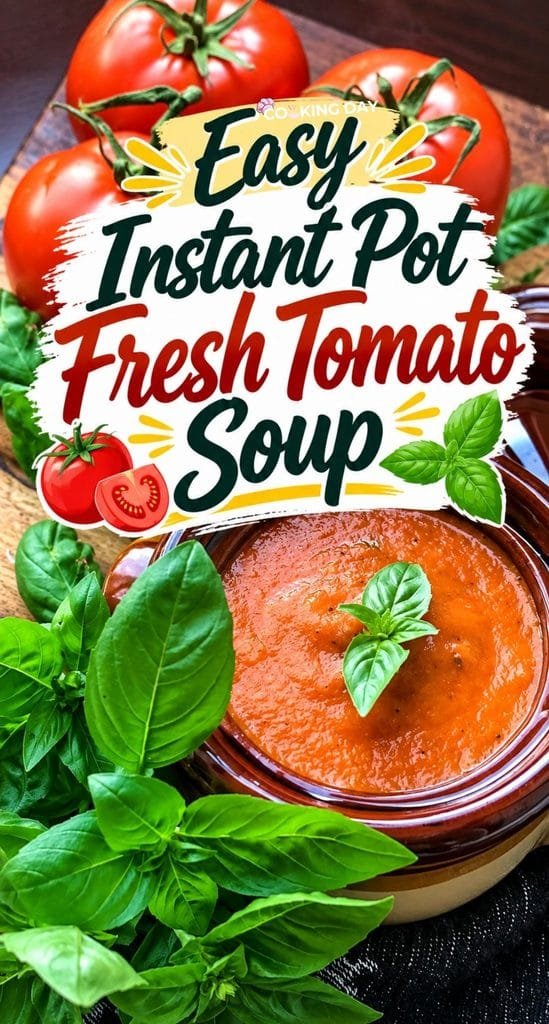
What to Serve With Garden Fresh Tomato Basil Soup
A grilled cheese sandwich is hard to beat alongside a warm bowl of tomato soup. The crisp buttery bread and melted cheese are a natural match for the bright tomato flavor.
Crusty bread, garlic bread, toasted sourdough, or homemade croutons are also excellent for dipping.
For a lighter meal, serve the soup alongside a simple green salad or Chicken Caesar Salad.
You can also serve smaller bowls as a starter before pasta, roasted chicken, or another comforting main course.
Storage Instructions
Allow leftover soup to cool before transferring it to an airtight container.
Refrigerate for up to 4 days.
Reheat gently on the stovetop over medium-low heat, stirring occasionally, or microwave individual portions until thoroughly heated.
The soup may thicken slightly after refrigeration. Stir in a splash of vegetable or chicken stock while reheating if needed.
This tomato soup can also be frozen. Cool it completely and transfer it to freezer-safe containers, leaving a little room for expansion. Freeze for up to 3 months.
Thaw overnight in the refrigerator before reheating.
If you plan to make the creamy variation, consider freezing the soup before adding cream and stirring the cream in after reheating for the best texture.
More Recipes to Try
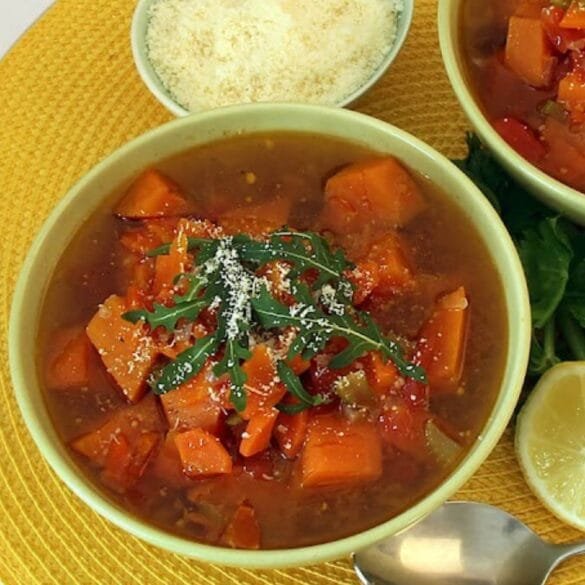
If you enjoyed this Garden Fresh Tomato Basil Soup, try the Sweet Potato Vegetable Soup for another comforting bowl filled with vegetables.
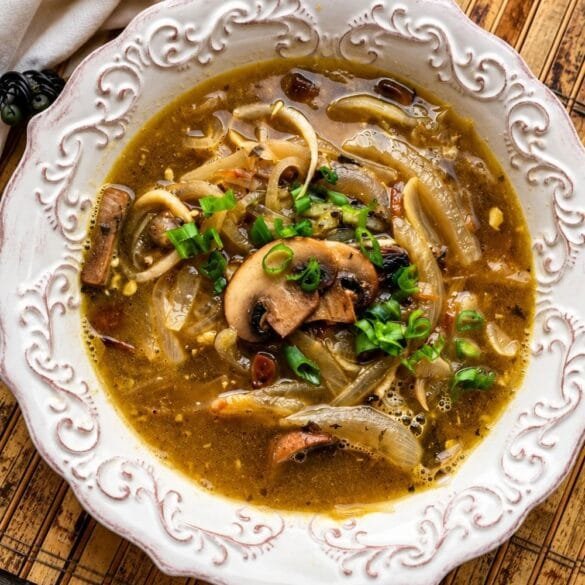
The Daikon Noodle Soup is another meatless option, featuring spiralized daikon, mushrooms, herbs, and deeply caramelized onions.
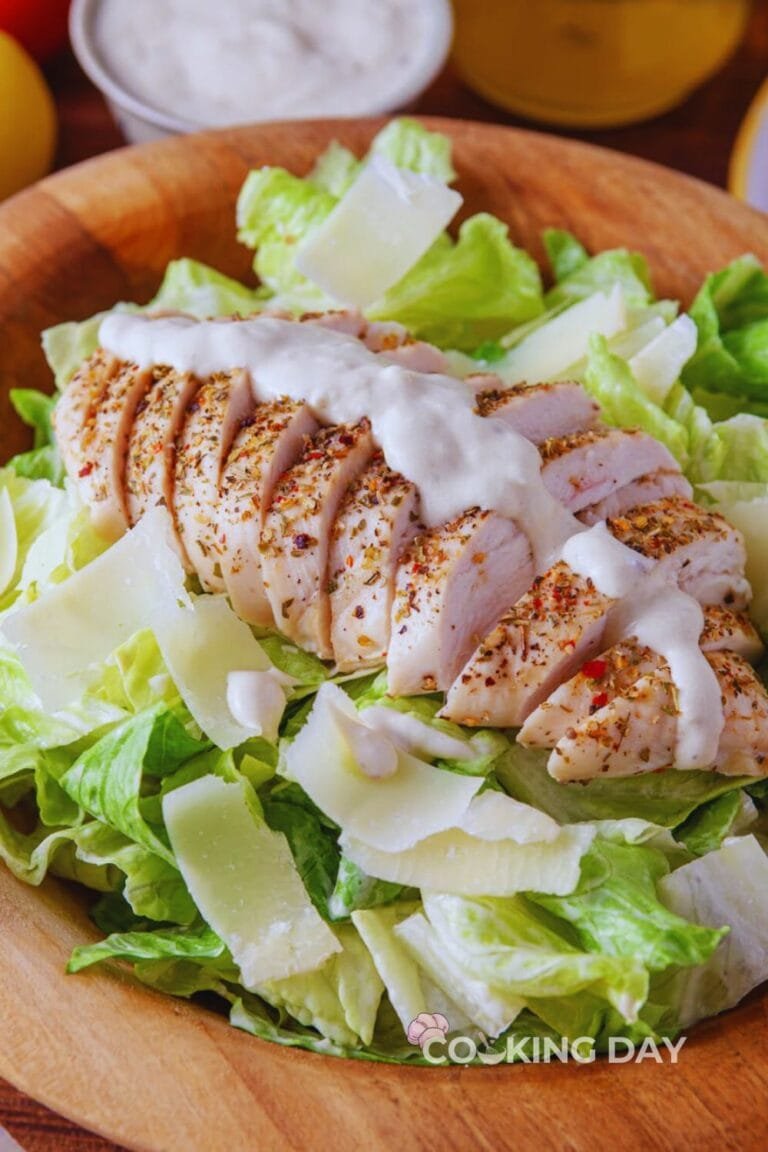
For something fresh to serve alongside your soup, the Chicken Caesar Salad combines crisp romaine, roasted chicken, Parmesan, and homemade Caesar dressing.
You can also pair this soup with Cheesy Baked Tortellini when you want a heartier Italian-inspired comfort food dinner.

Final Thoughts
This Garden Fresh Tomato Basil Soup is one of those recipes that reminds you how much flavor can come from simple fresh ingredients.
Ripe tomatoes provide the foundation, while slowly sautéed onion, celery, carrot, and garlic build savory depth. Rosemary, thyme, and bay leaf infuse the broth as it pressure cooks, and fresh basil added at the end gives the finished soup its bright herbal flavor.
The Instant Pot makes the cooking process simple, but the soup still tastes like something that has had plenty of time to develop.
Make it smooth or leave it slightly rustic, adjust the broth until the consistency is exactly how you like it, then grab some crusty bread or a grilled cheese sandwich.
Sometimes a warm bowl of homemade tomato soup really is all you need.
Garden Fresh Tomato Basil Soup

Equipment
- Instant Pot or electric pressure cooker
- Wooden spoon
- Cutting board
- Sharp knife
- Measuring cups and spoons
- High-powered blender, food processor, or immersion blender
- Ladle
Ingredients
- 2 tablespoons extra virgin olive oil
- 1 small yellow onion chopped
- 1 large celery stalk chopped
- 1 large carrot chopped
- Sea salt and black pepper to taste
- 2 to 3 garlic cloves peeled and chopped
- 1 cup chicken or vegetable stock plus more as needed
- 3 pounds fresh tomatoes chopped
- 1 bay leaf
- 4 sprigs fresh thyme
- 2 sprigs fresh rosemary
- ½ cup fresh basil leaves julienned
- Additional fresh basil for garnish, optional
Instructions
Sauté the Vegetables
- Select the Sauté function on the Instant Pot. Once the pot is hot, add the olive oil.
- Add the onion, celery, and carrot. Season lightly with salt and black pepper.
- Cook for 4 to 5 minutes, stirring occasionally, until the vegetables begin to soften and develop a little color.
- Add the garlic and cook for another minute, stirring frequently so it does not burn.
Deglaze the Pot
- Pour in the stock. Use a wooden spoon to scrape the bottom of the pot and loosen any browned bits.
- Let the mixture cook for another 2 to 3 minutes, then press Cancel to turn off the Sauté function.
Pressure Cook the Soup
- Add the chopped tomatoes, bay leaf, thyme, and rosemary. Stir gently to combine.
- Secure the lid and set the pressure valve to Sealing.
- Select Manual or Pressure Cook on high pressure and set the cooking time for 4 minutes.
- When the pressure-cooking cycle finishes, allow the pressure to release naturally for 5 minutes.
- Carefully release any remaining pressure according to your pressure cooker’s instructions. Open the lid once the pressure has fully released.
Blend the Soup
- Remove and discard the bay leaf, thyme stems, and rosemary stems.
- Stir in the fresh basil.
- For a smooth soup, carefully transfer the mixture in batches to a high-powered blender or food processor and blend until smooth. Do not overfill the blender with hot liquid.
- For a more rustic texture, blend the soup directly in the pot with an immersion blender.
- If the soup is thicker than you prefer, stir in additional chicken or vegetable stock a little at a time until it reaches the desired consistency.
- Taste and adjust the salt and black pepper as needed.
Serve
- Ladle the hot soup into individual bowls. Garnish with additional fresh basil, if desired, and serve.
Notes
- Use ripe, flavorful tomatoes for the best soup. Roma, vine-ripened, or garden tomatoes all work well.
- There is no need to peel the tomatoes before pressure cooking because the soup is blended at the end.
- Remove the bay leaf and woody herb stems before blending.
- Vegetable stock keeps the soup vegetarian. Chicken stock can be used for a slightly richer savory flavor.
- Add extra stock after blending rather than before pressure cooking. This makes it easier to control the final consistency.
- Be careful when blending hot soup. If using a countertop blender, work in small batches and allow steam to escape safely.
- For a chunkier tomato soup, use an immersion blender and stop blending when the desired texture is reached.
- Store leftover soup in an airtight container in the refrigerator for up to 4 days. Reheat gently on the stovetop or in the microwave.