
Some links on this page are affiliate links. This means we may earn a commission at no additional cost to you if you click through and make a purchase, you can check our Affiliate Disclosure. Thank you for your support!
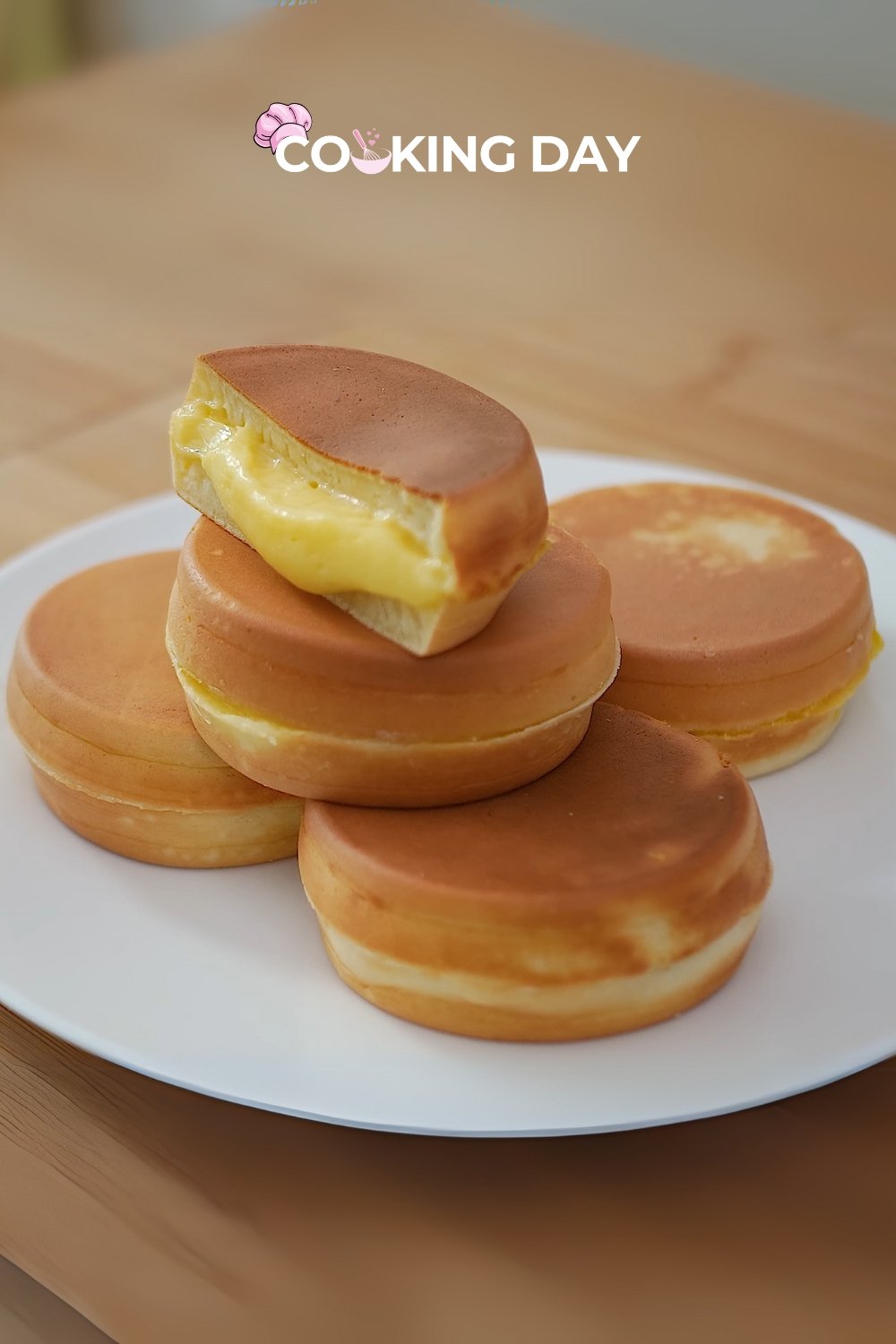
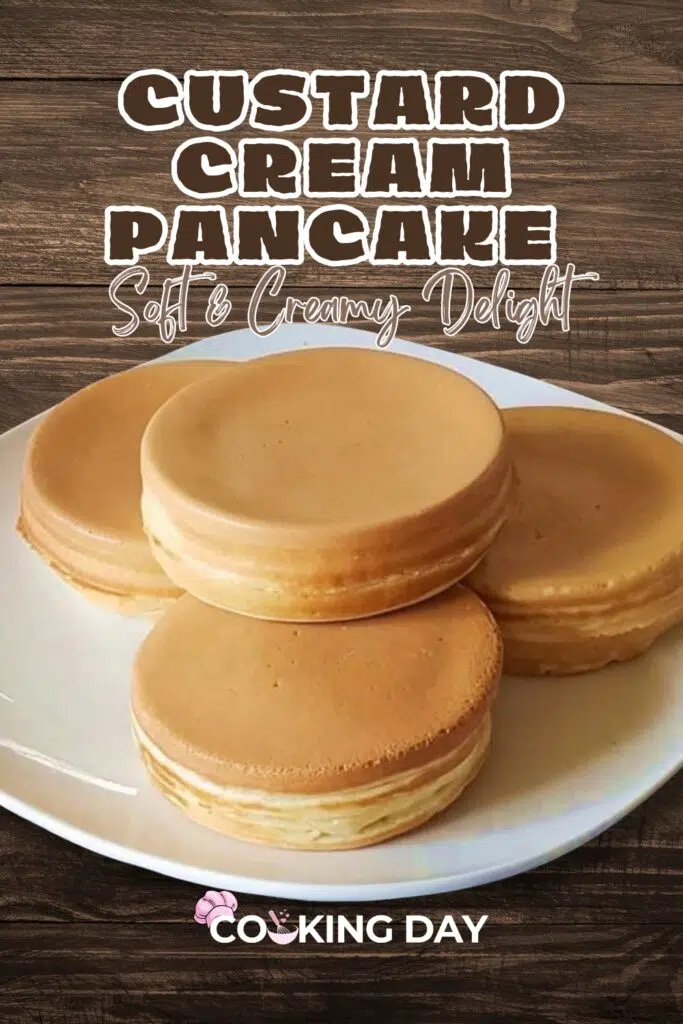
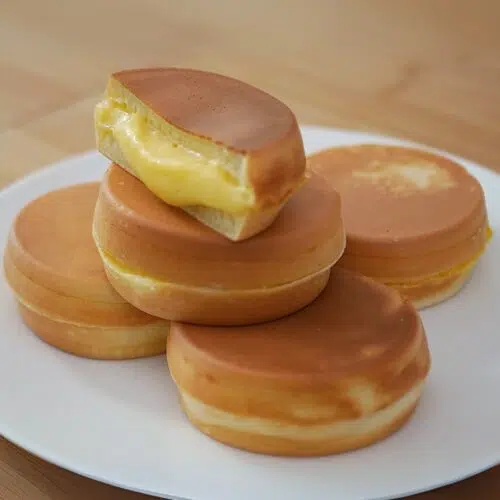
These Custard Cream Pancakes combine soft, lightly golden pancakes with a smooth homemade vanilla custard filling. The pancakes are cooked gently in a nonstick skillet, filled while cooking, and sealed together to create a warm dessert with a creamy center.
The custard is made from egg yolks, milk, sugar, cornstarch, and vanilla. It needs to be cooked until properly thickened and then cooled before being added to the pancakes. Keeping the heat low while cooking the pancakes gives the batter time to set without browning too quickly.
Serve these custard-filled pancakes warm for breakfast, brunch, or dessert.
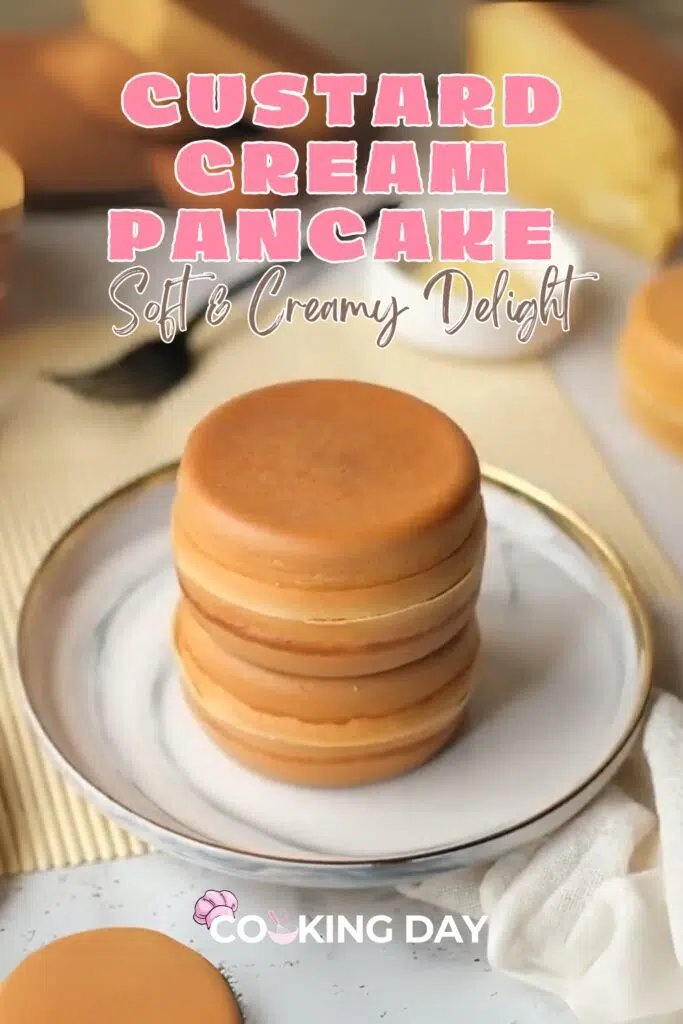
Why You’ll Love These Custard Cream Pancakes
- They have a creamy homemade center. The vanilla custard provides a rich contrast to the soft pancake.
- No oven is needed. Both the custard and pancakes are prepared on the stovetop.
- Cake flour keeps the pancakes tender. It creates a softer texture than a higher-protein flour.
- The sweetness is balanced. The lightly sweetened pancakes surround a richer custard filling.
- They’re versatile. Serve them for breakfast, brunch, an afternoon snack, or dessert.
- They look impressive without complicated equipment. A nonstick frying pan and a few basic kitchen tools are enough.
Ingredients
For the Pancake Batter
- 2 eggs
- 30 g sugar
- 2 g salt
- 200 g milk
- 180 g cake flour
- 3 g baking powder
- 30 g cooking oil
Cake flour is particularly useful here because its lower protein content helps create a soft, tender pancake.
Use a neutral-flavored cooking oil so it doesn’t compete with the vanilla custard.
For the Custard Cream
- 3 egg yolks
- 60 g sugar
- 20 g cornstarch
- 300 g milk
- ½ teaspoon vanilla extract
Cornstarch thickens the custard enough to make it suitable for filling the pancakes.
Equipment
- Mixing bowls
- Whisk
- Fine-mesh sieve or flour sifter
- Small saucepan
- Nonstick frying pan
- Spatula
- Spoon
- Plastic wrap
- Container with a spout, optional
How to Make Custard Cream Pancakes
Step 1: Start the Pancake Batter
Add the eggs, sugar, and salt to a mixing bowl.
Whisk until thoroughly combined.
Pour in the milk and whisk again until the mixture is uniform.
Step 2: Add the Dry Ingredients
Sift the cake flour and baking powder together.
Gradually add the dry ingredients to the egg and milk mixture, stirring as you go.
Mix just until you have a smooth batter without visible pockets of dry flour.
Avoid unnecessarily vigorous or prolonged mixing once the flour has been incorporated.
Step 3: Add the Oil
Pour the cooking oil into the batter.
Stir until completely incorporated and the batter looks smooth.
If desired, transfer the finished batter to a container with a spout. This can make it easier to pour similarly sized portions into the skillet.
Set the batter aside while preparing the custard.
How to Make the Custard Cream
Step 4: Whisk the Egg Yolks and Sugar
Place the egg yolks and sugar in a mixing bowl.
Whisk until thoroughly combined and the mixture becomes lighter in color.
Add the cornstarch and whisk until smooth.
Make sure there are no obvious pockets of dry cornstarch.
Step 5: Heat the Milk
Add the milk and vanilla extract to a saucepan.
Heat gently until the milk is steaming and just beginning to simmer around the edges.
Avoid allowing it to boil aggressively.
Step 6: Temper the Egg Yolks
Slowly pour some of the warm milk into the egg yolk mixture while whisking continuously.
Continue gradually adding the warm milk while whisking.
Adding it slowly helps prevent the egg yolks from cooking too quickly and forming lumps.
Step 7: Cook the Custard
Return the mixture to the saucepan.
Cook over medium heat while stirring constantly.
Continue cooking until the custard becomes noticeably thick and smooth, stirring constantly. It should be thick enough to coat the whisk or spoon heavily and hold its shape briefly rather than immediately flowing back into place.
Pay particular attention to the bottom and corners of the saucepan while stirring so the custard doesn’t scorch or develop lumps.
Step 8: Cool the Custard
Remove the thickened custard from the heat.
Transfer it to a clean container and press plastic wrap directly against the surface. This helps prevent a skin from forming.
Place the covered custard in the freezer for approximately 20 minutes to cool and firm it quickly.
The goal is to cool and firm the custard for filling, not to freeze it solid. Check it during chilling and remove it once it is cool and thick enough to handle.
Cook and Fill the Pancakes
Step 9: Heat the Pan
Place a nonstick frying pan over low heat.
Allow it to warm before adding the batter.
Low heat is important because the pancakes need enough time to set without becoming overly browned before they can be assembled.
Step 10: Cook the Bottom Pancake
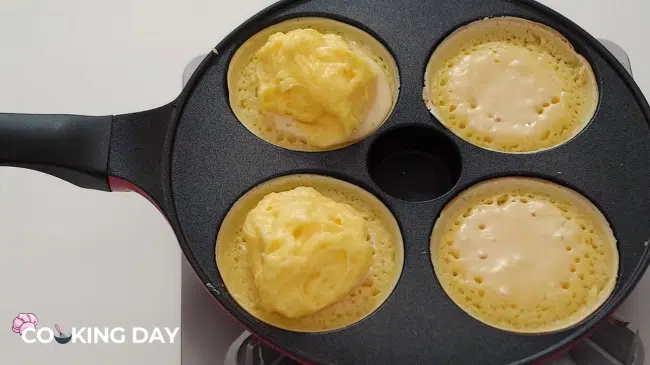
Pour a thin layer of pancake batter into one area of the pan.
Allow it to cook until the edges begin to set and the batter is stable enough to support the custard without immediately spreading.
Spoon a generous amount of cooled custard into the center, keeping it away from the outer edge.
Leaving an uncovered border makes the pancake easier to seal.
Step 11: Prepare the Top Pancake
In another section of the pan, pour a similar amount of batter to create the top pancake.
Cook until the bottom is lightly golden and the pancake is firm enough to lift carefully with a spatula.
The custard-filled bottom pancake should also be sufficiently set before you attempt to assemble the two pieces.
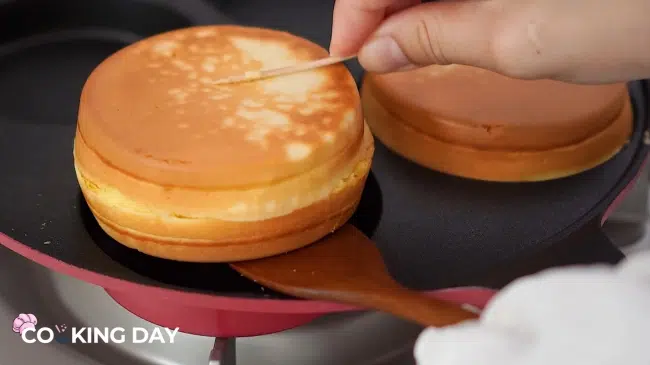
Step 12: Seal the Pancakes
Carefully lift the plain pancake with a spatula.
Place it over the custard-filled pancake, aligning the edges as closely as possible.
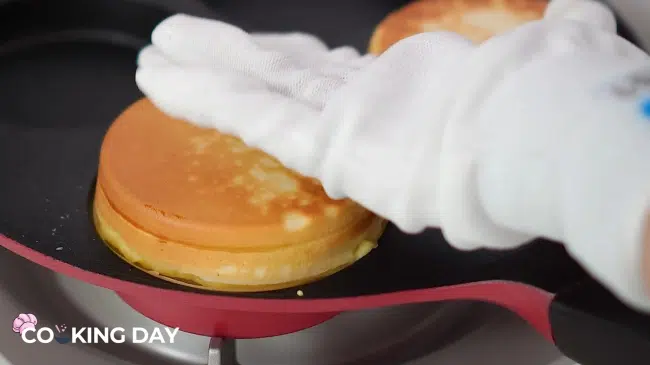
Gently press around the edges to help seal the custard inside.
Avoid pressing heavily on the center because this can force the filling toward the edges.
Continue cooking over low heat for approximately 1 to 2 minutes, just until the assembled pancake is heated through and the edges hold together, then carefully remove it from the skillet.
Repeat with the remaining batter and custard.
Tips for the Best Custard Cream Pancakes
- Sift the flour and baking powder. This makes them easier to incorporate evenly into the batter.
- Don’t overmix the batter. Stop once the ingredients are smoothly combined.
- Temper the egg yolks gradually. Don’t pour all the hot milk into the yolks at once.
- Stir the custard constantly while thickening. This helps prevent scorching and lumps.
- Cool the custard before filling. Hot, loose custard will be much harder to contain inside the pancakes.
- Don’t freeze the custard solid. The short freezer period is intended to cool it quickly.
- Use low heat for the pancakes. High heat can brown the exterior before the pancakes are sufficiently set.
- Keep the custard away from the edges. Leave enough exposed pancake to create a seal.
- Be gentle when assembling. Excessive pressure can push the filling out.
Common Mistakes to Avoid
Adding Hot Milk Too Quickly to the Yolks
The warm milk should be incorporated gradually while whisking. Adding it too quickly can cook portions of the egg yolk mixture before everything is evenly combined.
Walking Away From the Custard
Once the custard is on the stove, stir continuously as it thickens.
The bottom of the saucepan receives direct heat and can scorch if left unattended.
Using the Custard While It’s Still Warm and Loose
A warm custard is more difficult to keep in the center of the pancakes. Cooling gives it a firmer consistency that is easier to work with.
Cooking the Pancakes Over High Heat
These aren’t pancakes that need aggressive browning. Low heat gives you more time to manage the filling and top layer.
Adding Custard Too Close to the Edge
Keep the filling concentrated in the center. Otherwise, it can squeeze out when the second pancake is placed on top.
Overfilling the Pancakes
A generous filling is appealing, but too much custard can make the pancakes difficult to seal and turn.
Start with an amount that comfortably fits inside the pancake while leaving a clear border.
Expert Tips
The custard consistency matters just as much as the pancake texture. It should be thick enough to sit in the center rather than immediately spreading toward the edges.
When cooking the custard, don’t rely solely on color to determine whether it’s ready. Watch its texture as you stir. It should become smooth and noticeably thick enough to hold its shape briefly rather than immediately spreading.
Pan temperature also deserves attention. If the first pancake becomes deeply browned before the top is firm enough to handle, lower the heat for subsequent batches.
If your frying pan isn’t large enough to comfortably cook two pancake portions at once, cook them individually rather than overcrowding the pan. The important part is having pancakes that are set enough to assemble without tearing.
Variations
Fresh Fruit Serving Option
Serve the finished pancakes with fresh berries or sliced fruit on the side. This adds freshness without changing the custard filling itself.
Powdered Sugar Finish
A light dusting of powdered sugar can be added immediately before serving if you want a sweeter presentation.
Chocolate Finish
A small amount of melted chocolate or chocolate sauce can be served over the finished pancakes for a richer dessert.
Ingredient Notes and Substitutions
Cake Flour
Cake flour contributes to the tender texture of these pancakes. Substituting another flour can change how the batter behaves and how soft the pancakes become.
Milk
Milk is used in both the pancake batter and custard. Changing the type of milk may affect the richness and consistency, particularly in the custard.
Cornstarch
Cornstarch is responsible for much of the custard’s thickening. It’s important for producing a filling sturdy enough for the assembled pancakes.
Cooking Oil
Choose a mild or neutral cooking oil so its flavor doesn’t dominate the pancakes and vanilla custard.
Food Safety and Custard Handling
Because the filling contains egg yolks and milk, handle the custard carefully.
Cook the custard until properly thickened while stirring constantly, then cover and cool it promptly as directed. Don’t leave the finished custard sitting at room temperature for extended periods.
If you’re preparing the custard ahead, keep it refrigerated until you’re ready to cook and fill the pancakes.
What to Serve With Custard Cream Pancakes
These filled pancakes are sweet enough to serve on their own, but fresh fruit and a refreshing drink make particularly good accompaniments.
Ginger-Peach Iced Tea offers a fruity tea option that works especially well for brunch.
For warmer days, Watermelon Mint Lemonade provides a fresh watermelon and lemon contrast to the rich custard.
Coffee or unsweetened tea would also work well if you want something less sweet alongside the pancakes.
Storage and Make-Ahead Tips
Custard-filled pancakes are at their best when freshly cooked, while the pancakes are soft and the filling is creamy.
If you’re preparing components ahead, making the custard separately is more practical than assembling all of the pancakes in advance. Keep the cooled custard covered and refrigerated.
Keep the prepared custard properly covered and refrigerated until you’re ready to use it.
If storing assembled pancakes, refrigerate them promptly in a covered container. Their texture will naturally change during refrigeration, so freshly assembled pancakes will provide the best result.
More Recipes to Try
If you enjoy sweet breakfast and dessert recipes, these are natural choices to explore next.
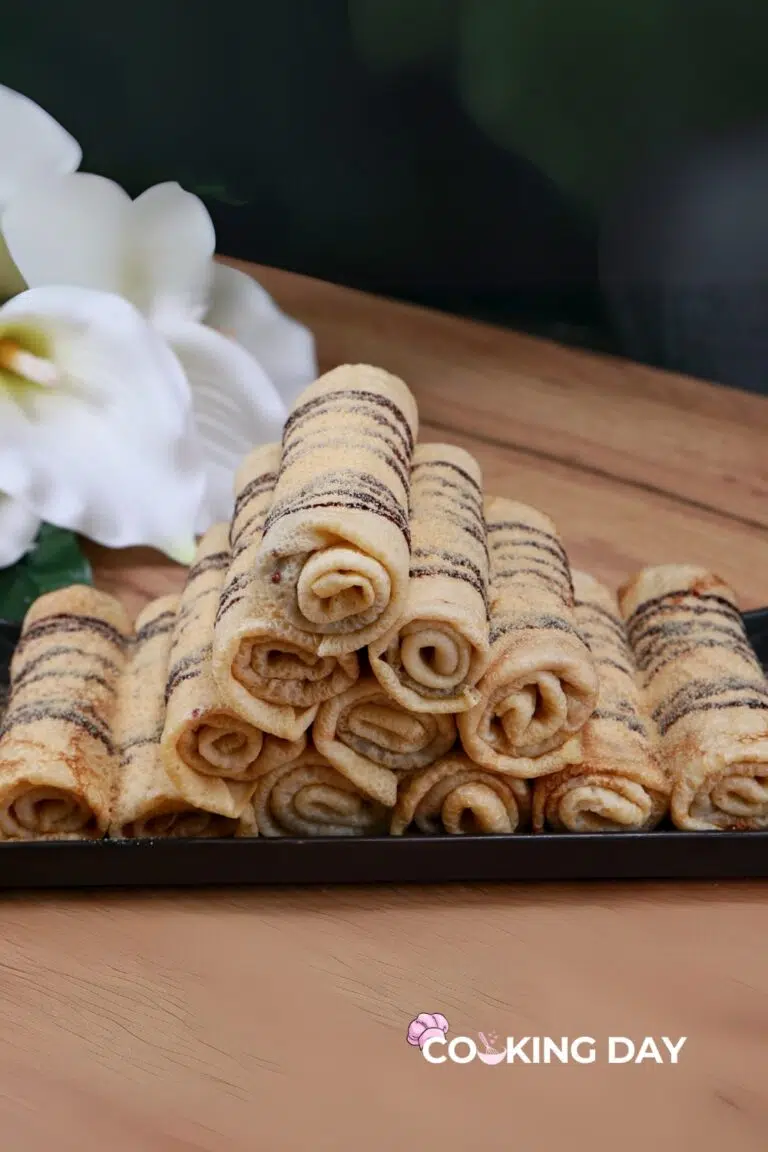
- Fluffiest Ever Super Soft Pancakes are a good next option if you want another soft pancake recipe.
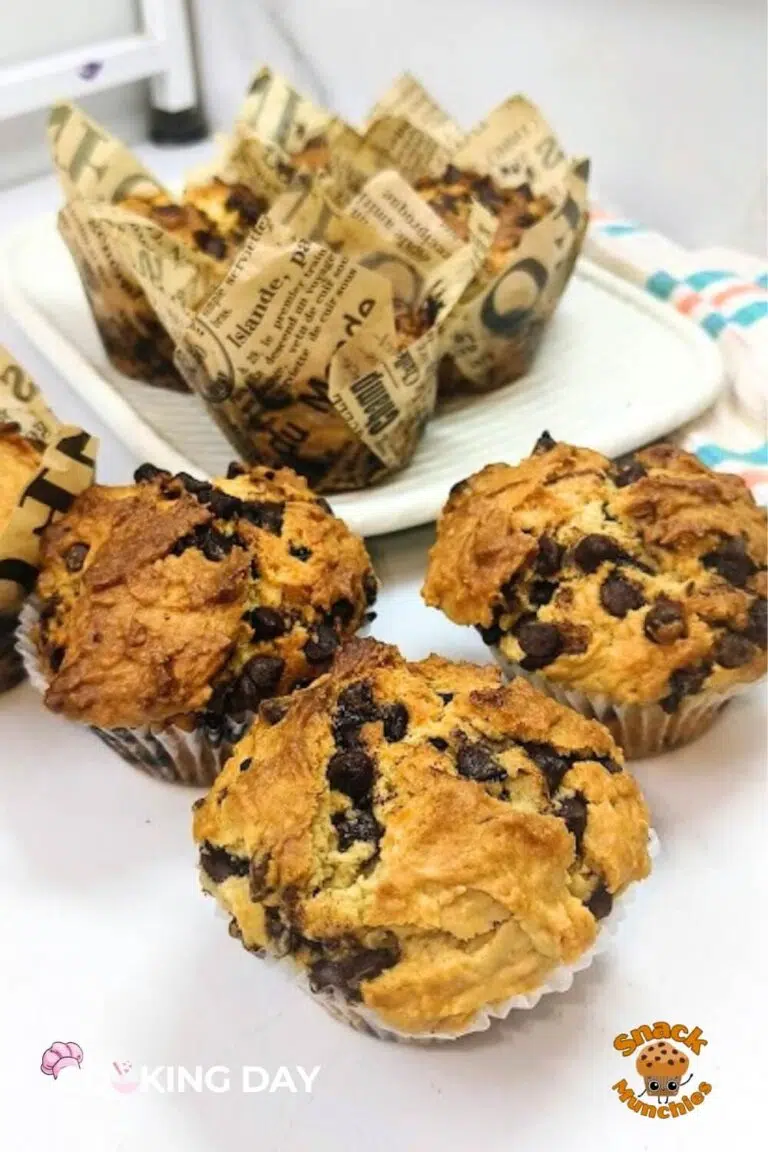
- Chocolate Chip Muffins offer an easy baked breakfast or snack.
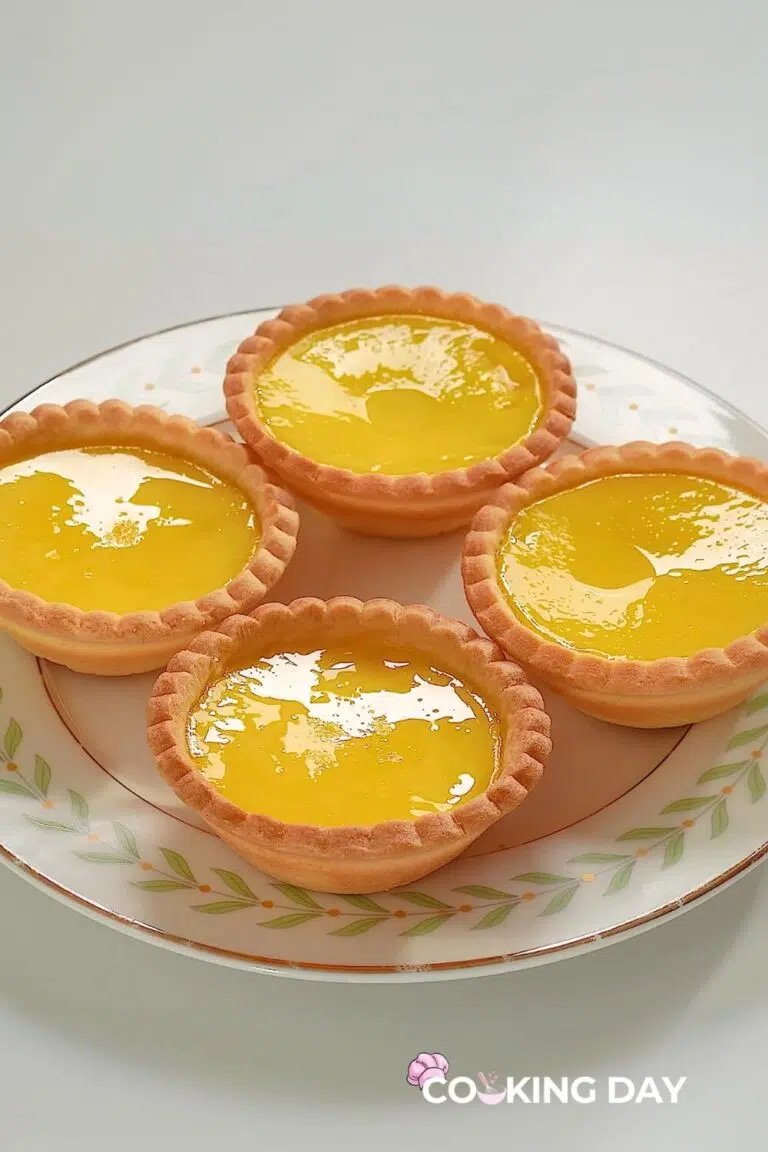
- Best Homemade Egg Tarts pair a crisp pastry shell with a creamy custard center.
Final Thoughts
Custard Cream Pancakes bring together two simple stovetop preparations, tender pancakes and rich vanilla custard, in one comforting dessert.
The most important steps are properly thickening and cooling the custard, keeping the pancake heat low, and leaving enough space around the filling to seal the two pancakes together.
Once assembled, serve them while they’re fresh and warm for the best combination of soft pancake and creamy custard.
Custard Cream Pancakes – Soft & Creamy Delight

Equipment
- Mixing bowls
- Whisk
- Non-stick frying pan
- Spatula
- Rolling pin or spoon (for shaping)
Ingredients
For the Pancake Batter:
- 2 eggs
- 30g sugar
- 2g salt
- 200g milk
- 180g cake flour (soft flour)
- 3g baking powder
- 30g cooking oil
For the Custard Cream Filling:
- 3 egg yolks
- 60g sugar
- 20g corn starch
- 300g milk
- ½ teaspoon vanilla extract
Instructions
Step 1: Prepare the Pancake Batter
- In a mixing bowl, whisk together the eggs, sugar, and salt until fully combined.
- Add the milk and mix well.
- Sift the cake flour and baking powder, then gradually add them to the egg mixture while stirring continuously to prevent lumps.
- Pour in the cooking oil and mix until the batter becomes smooth.
- Transfer the batter to a container with a spout for easy pouring.
Step 2: Make the Custard Cream
- In a bowl, whisk the egg yolks and sugar together until the mixture turns pale yellow.
- Add the cornstarch and stir until fully incorporated.
- Heat the milk and vanilla extract in a saucepan over low heat until it starts to simmer.
- Slowly pour the warm milk into the egg mixture while whisking continuously.
- Return the mixture to the saucepan and cook over medium heat, stirring constantly until thickened.
- Remove from heat, cover with cling wrap (pressing it onto the surface to prevent a skin from forming), and let it cool in the freezer for about 20 minutes.
Step 3: Cook the Pancakes & Fill with Custard
- Heat a non-stick frying pan over low heat.
- Pour a thin layer of batter into the pan, as the edges start to set, spoon a generous amount of custard cream onto the center of the pancake.
- In another section of the pan, pour the same amount of batter to create the top layer.
- Once both pancakes are lightly golden on the bottom and slightly firm, carefully lift the plain pancake and place it over the custard-filled one, aligning the edges.
- Gently press the edges together to seal the custard inside.
- After about 1-2 minutes, remove the filled pancake and repeat the process with the remaining batter.
Step 4: Assemble & Serve
- Serve immediately and enjoy the rich, creamy flavor!