
Some links on this page are affiliate links. This means we may earn a commission at no additional cost to you if you click through and make a purchase, you can check our Affiliate Disclosure. Thank you for your support!
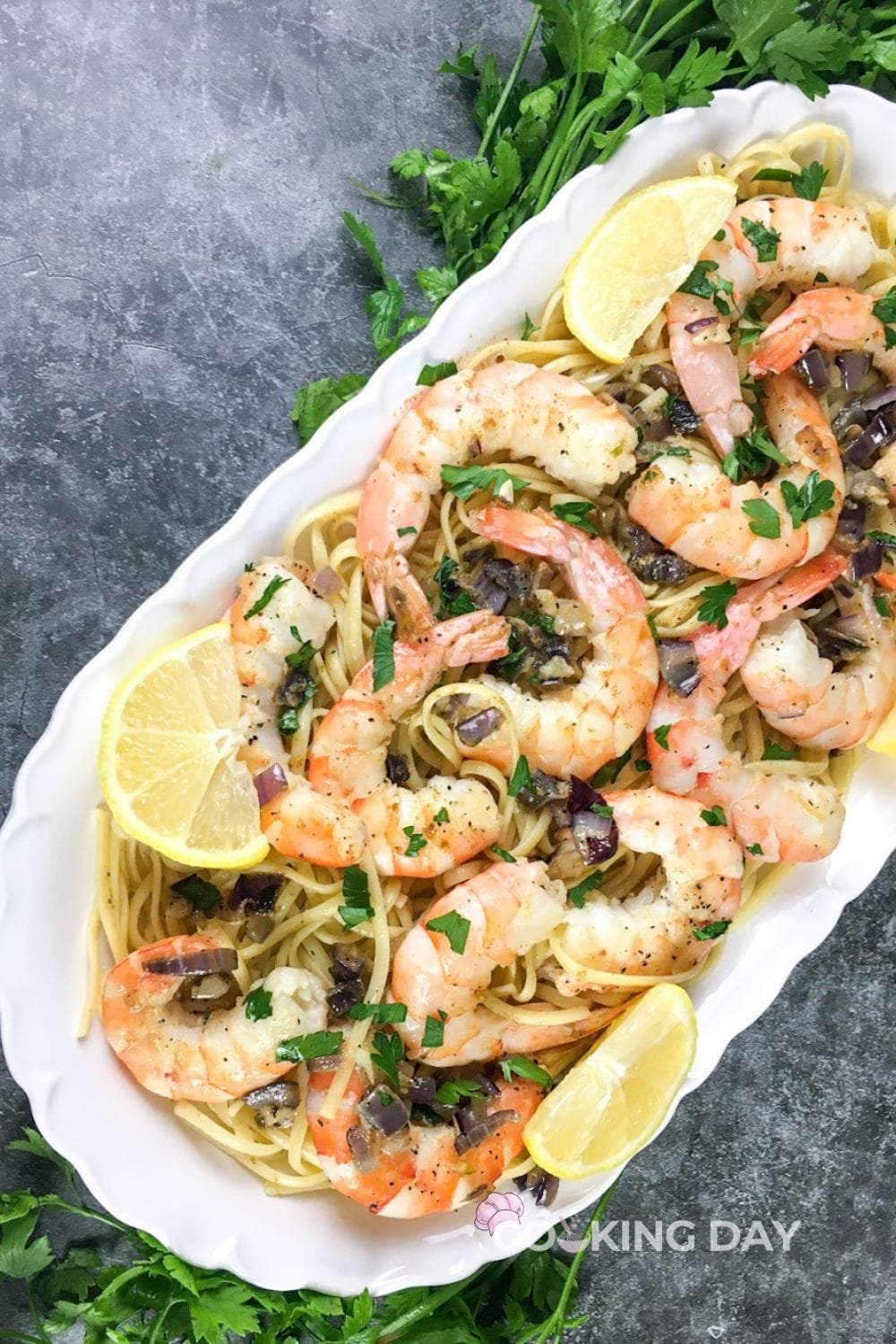
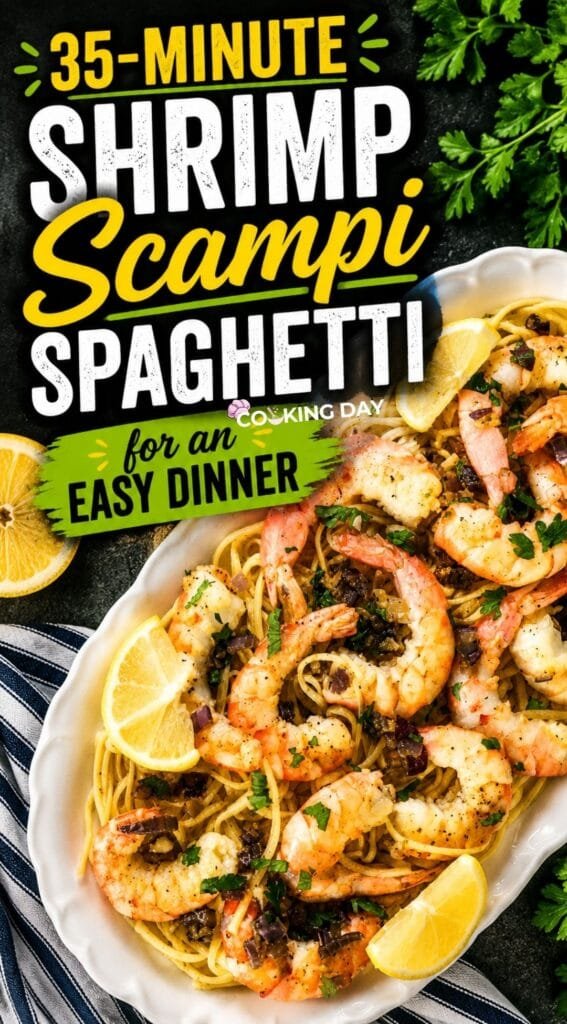
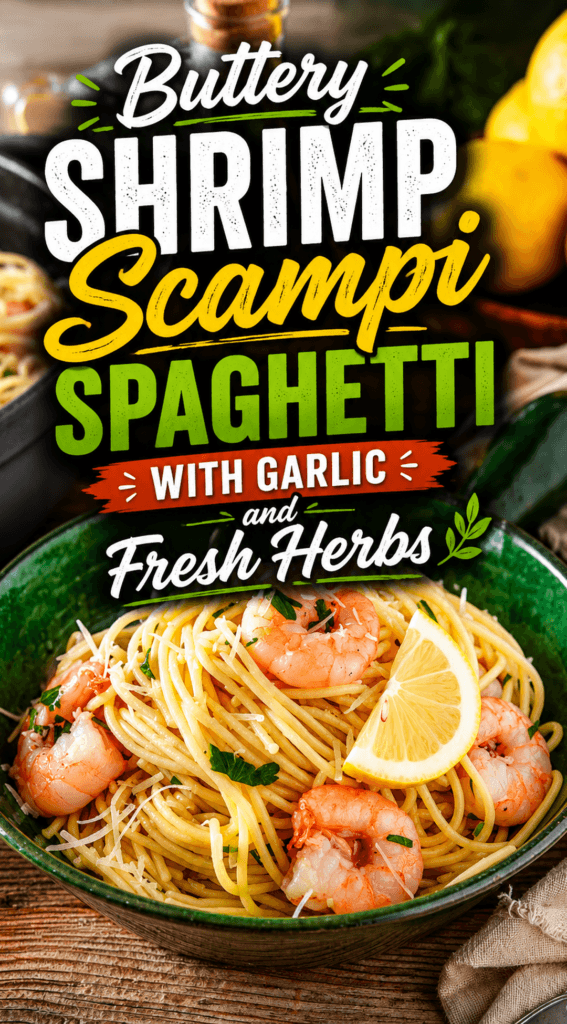
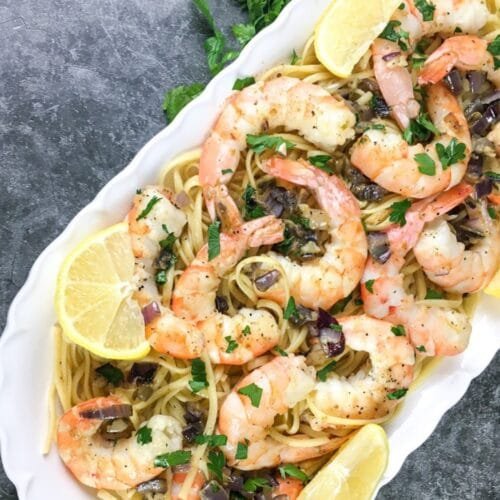
This Shrimp Scampi with Spaghetti is a quick seafood pasta made with tender shrimp, butter, garlic, red onion, fresh parsley, and plenty of lemon. A small amount of ground cumin adds a warm, savory note, while fresh lemon juice keeps the buttery pasta bright and balanced.
The shrimp cook in the same skillet as the softened onion, garlic, and cumin, creating a flavorful mixture that can be tossed directly with the spaghetti. Reserved pasta water helps loosen the buttery sauce when needed and encourages it to coat the noodles instead of sitting at the bottom of the pan.
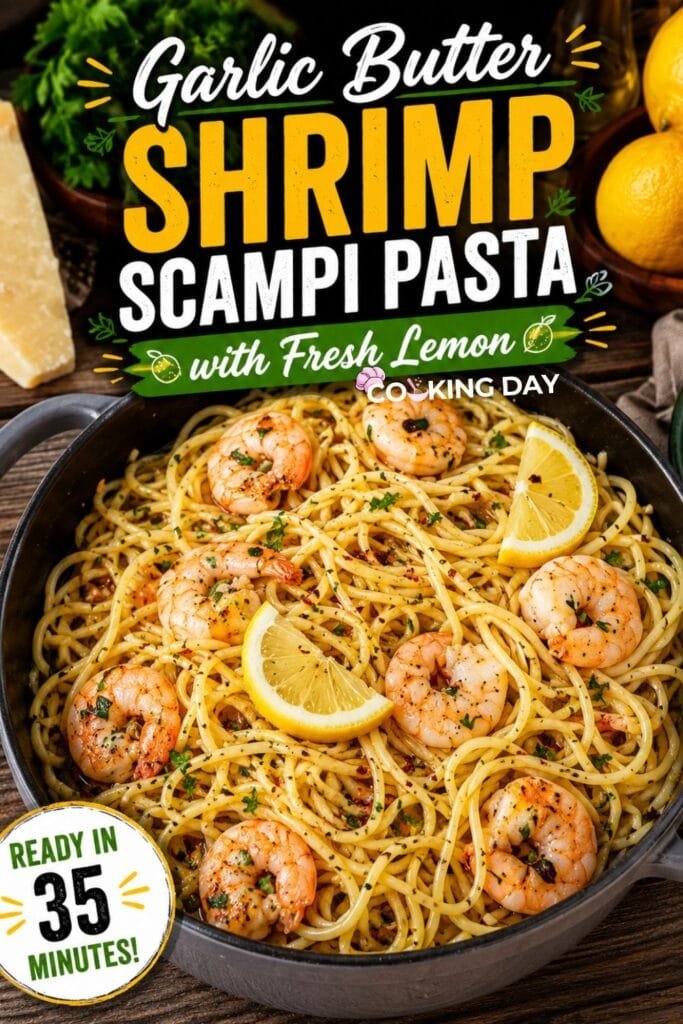
Ready in about 35 minutes, this easy shrimp pasta works well for a weeknight dinner but is also simple enough to prepare when you’re entertaining.
Why This Shrimp Scampi with Spaghetti Works
- Shrimp cook quickly. Large shrimp need only a few minutes in the skillet, keeping the overall cooking time short.
- Butter and garlic create a simple sauce. The buttery skillet mixture coats the pasta without requiring a separate sauce.
- Red onion adds sweetness and texture. Cooking it for several minutes softens the onion and allows it to develop a little color.
- Cumin adds warmth. Just ½ teaspoon gives the dish another savory layer without overwhelming the shrimp.
- Fresh lemon balances the butter. Adding lemon after the skillet comes off the heat keeps its flavor fresh and bright.
- Pasta water helps bring everything together. A small amount can loosen the sauce and help it coat the spaghetti more evenly.
Ingredients
For the Spaghetti
- 1 (16-ounce) box spaghetti
- Salt, for the pasta water
Cook the spaghetti until al dente according to the package directions.
Before draining it, reserve about ½ cup of the starchy cooking water. You may not need all of it, but having it available makes it easy to adjust the pasta after combining everything.
For the Shrimp Scampi
- 2 tablespoons unsalted butter
- ½ large red onion, diced
- 3 to 4 garlic cloves, minced
- ½ teaspoon ground cumin
- Sea salt, to taste
- Black pepper, to taste
- 1¼ pounds large shrimp, peeled and deveined
- 3 tablespoons fresh parsley, chopped
- 2 large lemons, cut into wedges
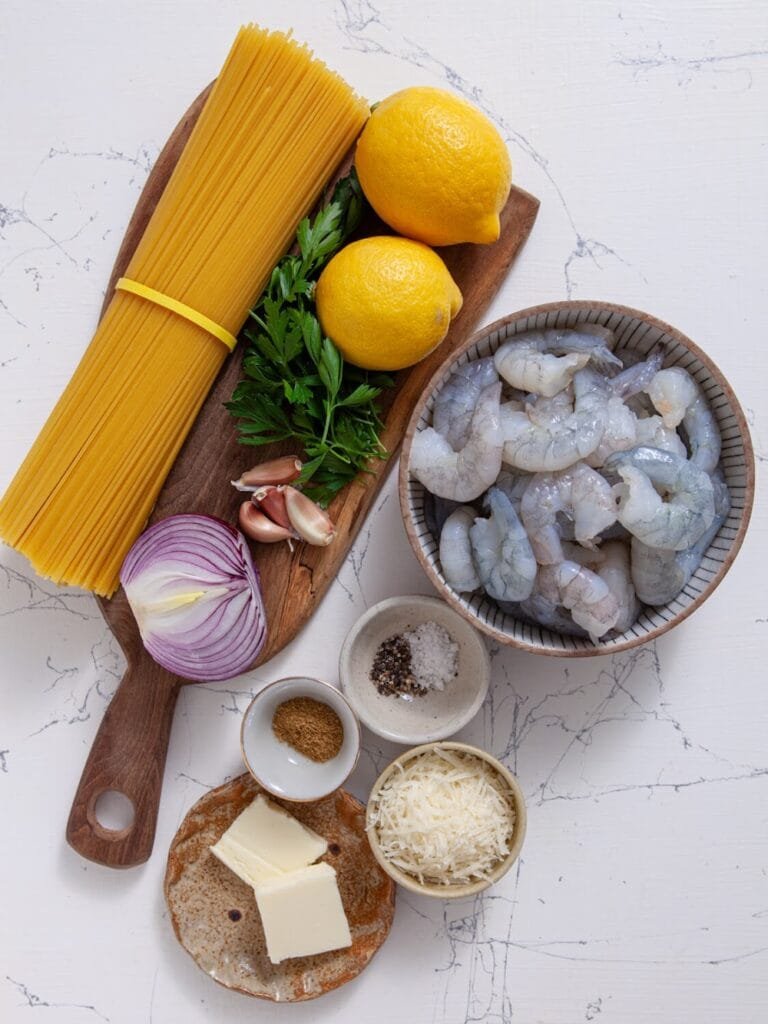
Large shrimp work particularly well because they cook quickly while remaining substantial enough to stand out among the spaghetti.
Fresh lemon and parsley are added near the end rather than being cooked for an extended period. This helps preserve their fresh flavors.
Optional, for Serving
- Freshly grated Parmesan cheese
Parmesan is completely optional. Serve it at the table so everyone can decide whether they’d like to add it to their pasta.
Equipment
- Large pot
- Large skillet
- Colander
- Wooden spoon or spatula
- Cutting board
- Sharp knife
- Serving platter
- Tongs
Step by Step Instructions
Step 1: Cook the Spaghetti
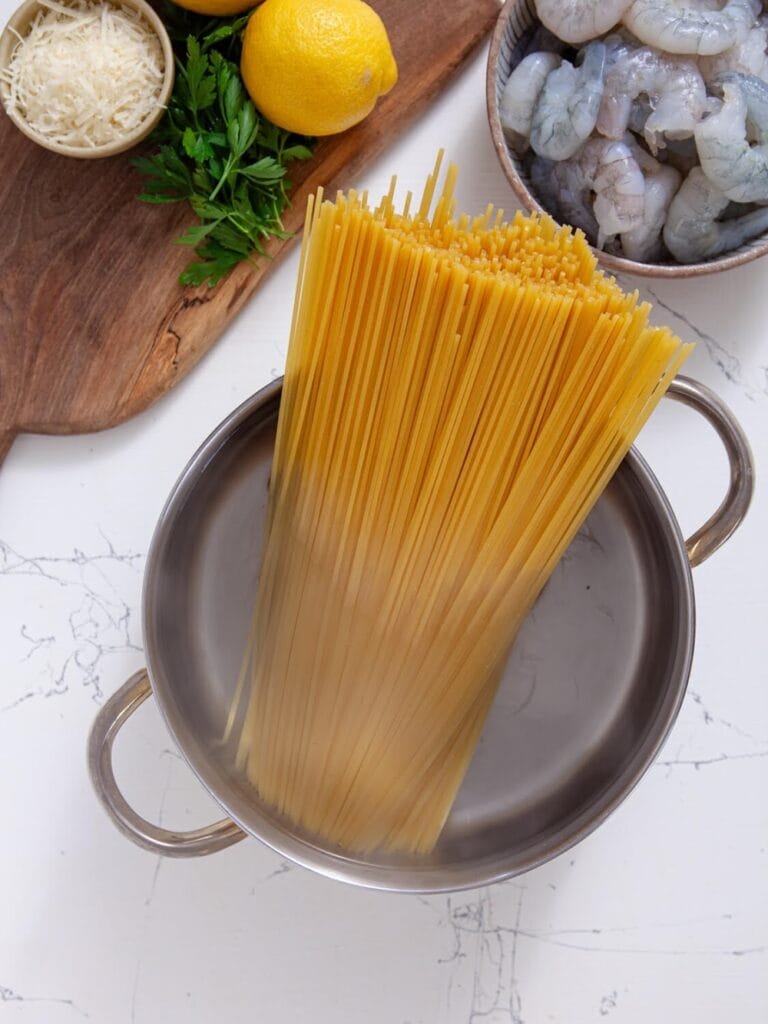
Bring a large pot of generously salted water to a boil over medium-high heat.
Add the spaghetti and cook according to the package directions until al dente.
Before draining the pasta, carefully scoop out about ½ cup of the cooking water and set it aside.
The starchy water can be added later if the spaghetti seems too dry after being combined with the shrimp.
Step 2: Sauté the Red Onion and Garlic
While the spaghetti cooks, melt the unsalted butter in a large skillet over medium heat.
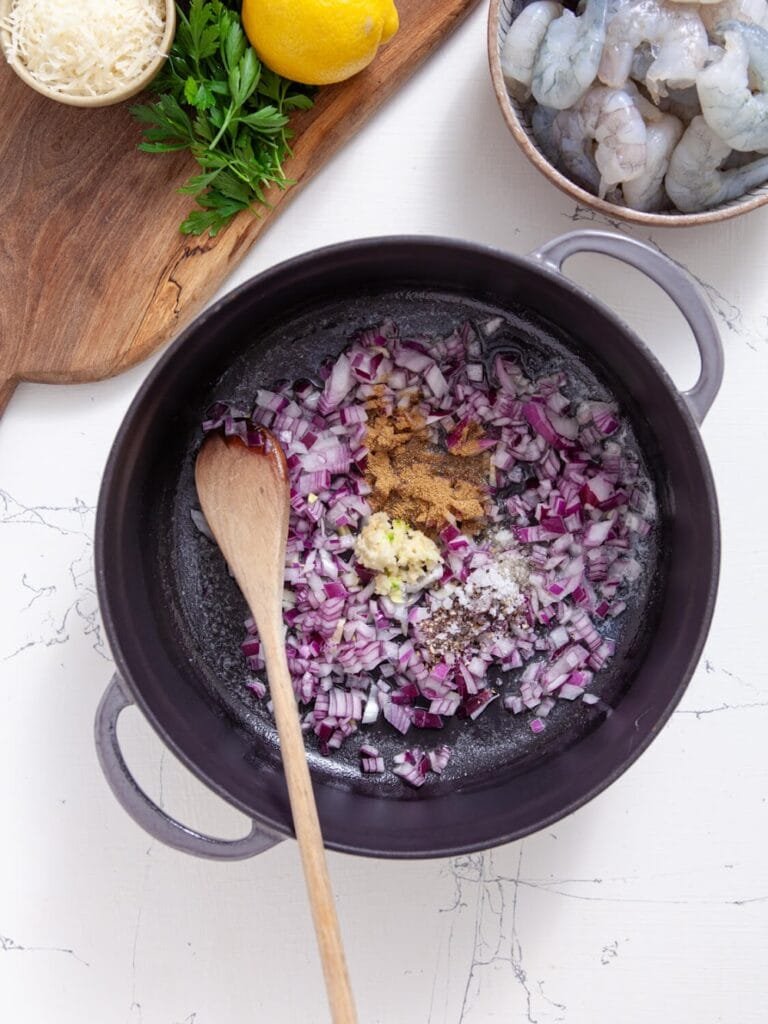
Add the diced red onion and ground cumin. Season lightly with sea salt and black pepper. Cook for 5 to 6 minutes, stirring occasionally, until the onion has softened and begins to develop some color.
Keep an eye on the garlic throughout this step. Because minced garlic can brown more quickly than diced onion, stir regularly and adjust the heat if it begins cooking too aggressively.
Step 3: Cook the Shrimp
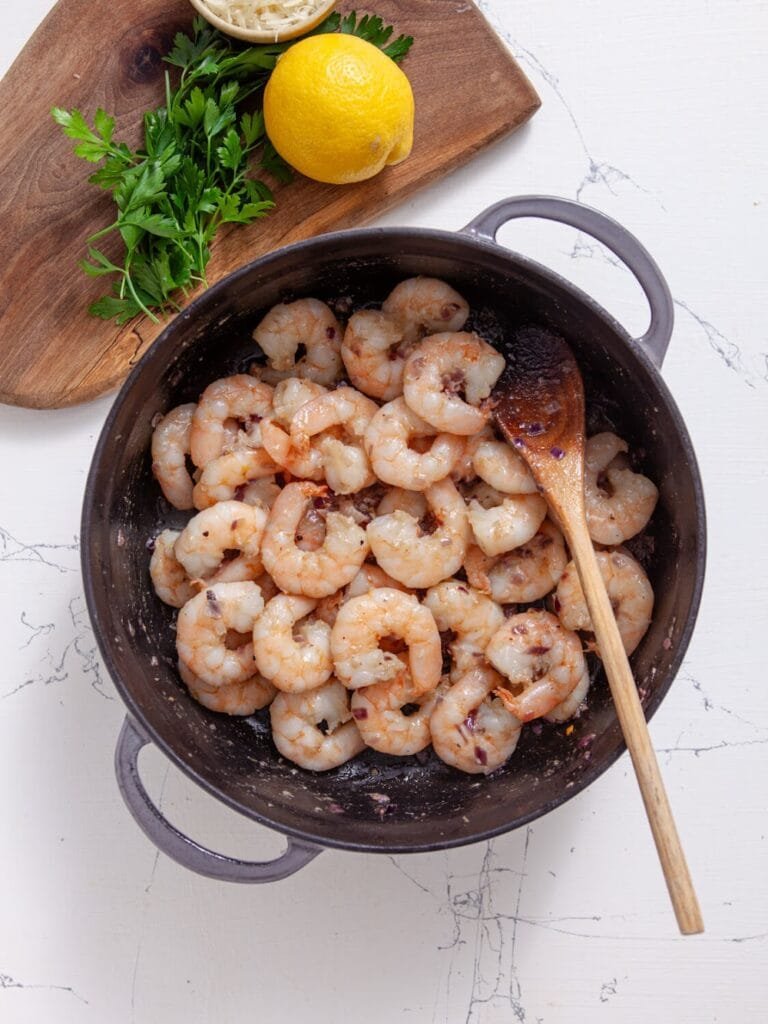
Add the peeled and deveined shrimp to the skillet.
Cook for approximately 2 to 3 minutes, stirring frequently, until the shrimp are opaque, lightly curled, and cooked through.
Avoid continuing to cook them once they’re done. Shrimp can become firm and rubbery when left over the heat for too long.
Step 4: Add the Parsley and Lemon
Remove the skillet from the heat.
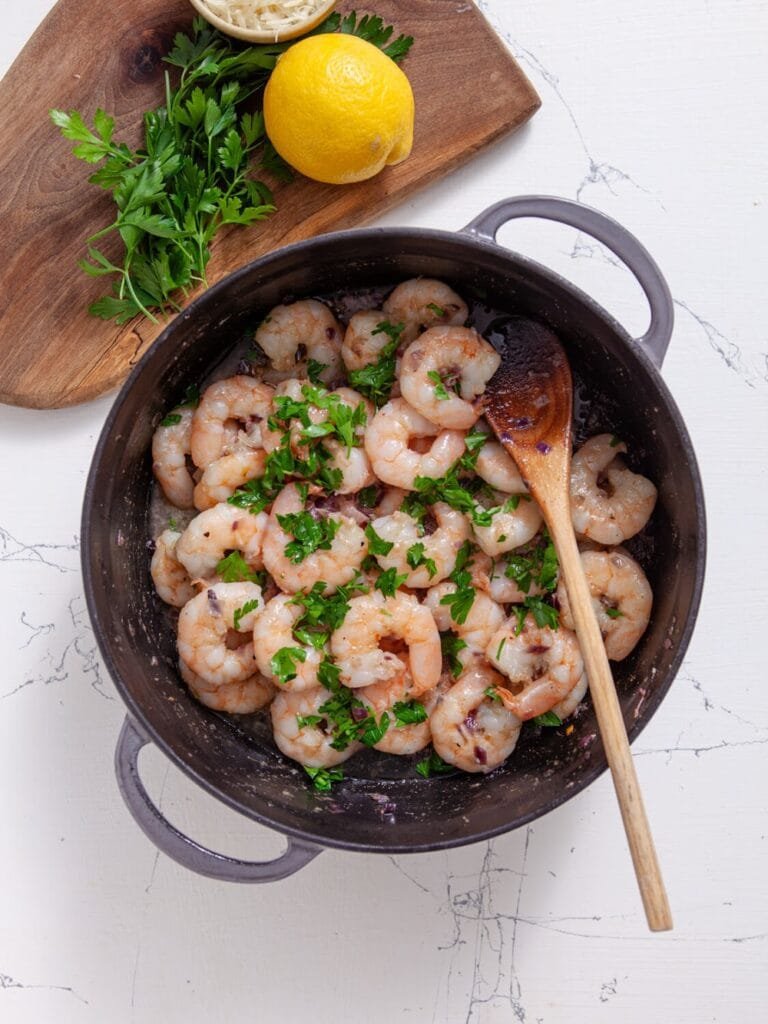
Add the chopped fresh parsley.
Squeeze several of the lemon wedges over the shrimp and gently stir everything together.
Start with a modest amount of lemon, taste, and add more if desired.
Check the seasoning and add additional sea salt or black pepper if needed.
Step 5: Drain the Spaghetti
Drain the cooked spaghetti in a colander.
Do not rinse it.
Rinsing would remove the surface starch that helps the buttery shrimp mixture cling to the pasta.
Return the spaghetti to the pot, or transfer it directly to the skillet if your skillet is large enough to hold everything comfortably.
Step 6: Combine the Pasta and Shrimp
Add the shrimp and buttery garlic mixture to the spaghetti.
Toss gently until the shrimp, onions, parsley, and sauce are distributed throughout the pasta.
If the spaghetti seems dry, add a small splash of the reserved pasta water and toss again.
Continue adding pasta water in small amounts only as needed. You want enough moisture to help the sauce coat the spaghetti without making the finished dish watery.
Step 7: Serve
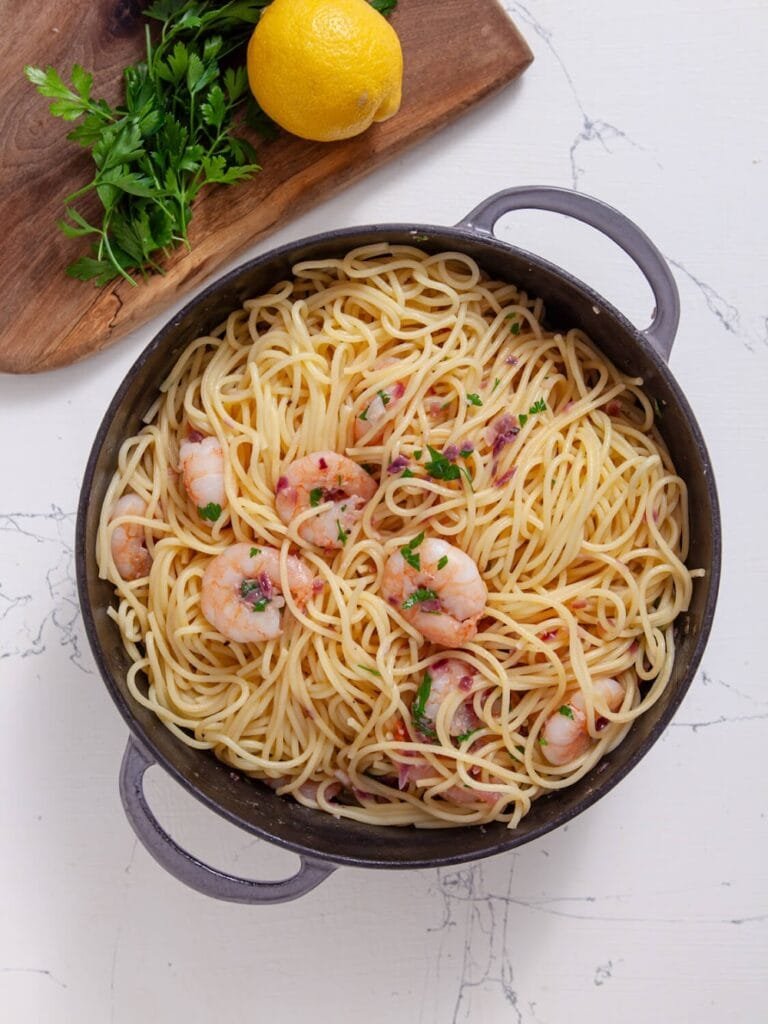
Transfer the Shrimp Scampi with Spaghetti to a serving platter or individual plates.
Serve immediately with the remaining fresh lemon wedges.
Offer freshly grated Parmesan cheese at the table, if desired.
Tips for the Best Shrimp Scampi with Spaghetti
- Cook the spaghetti until al dente. The pasta should retain a little firmness rather than becoming overly soft.
- Reserve the pasta water before draining. Once the spaghetti is in the colander, it’s too late to recover that useful starchy liquid.
- Don’t rinse the spaghetti. Surface starch helps the buttery mixture coat the noodles.
- Watch the garlic carefully. The onion needs several minutes to soften, while finely minced garlic can burn more quickly.
- Keep the heat moderate. If the garlic starts browning too rapidly, lower the heat slightly.
- Don’t overcook the shrimp. Remove them from the heat once they’re opaque and lightly curled.
- Add lemon gradually. Start with a couple of squeezes, taste, and add more according to your preference.
- Add pasta water a little at a time. You can always add more, but too much can make the dish watery.
- Serve immediately. Shrimp and pasta are both at their best when freshly cooked.
Common Mistakes to Avoid
Burning the Garlic
The onion cooks for 6 to 7 minutes, so pay attention to the minced garlic as the mixture sautés. Stir regularly and lower the heat if the garlic begins browning too quickly.
Overcooking the Shrimp
Large shrimp cook quickly. Once they are opaque and lightly curled, remove the skillet from the heat rather than continuing to cook them for additional color.
Forgetting to Reserve Pasta Water
Set aside about ½ cup before draining the spaghetti. You may not need all of it, but it can be very useful when combining the pasta and shrimp.
Rinsing the Pasta
There’s no need to rinse spaghetti for this dish. Keeping some of its surface starch helps the buttery sauce adhere more effectively.
Adding Too Much Pasta Water at Once
Start with a small splash and toss thoroughly before deciding whether you need more.
Adding Too Much Lemon Before Tasting
Lemons vary in size and acidity. Add the juice gradually so you can control the balance between the butter, garlic, and citrus.
Expert Tips
Timing is particularly important when you’re preparing a quick pasta like this. Start cooking the onion mixture while the spaghetti is in the pot so both components are ready at roughly the same time.
Because the garlic and onion cook together, keep the skillet over moderate heat and watch the garlic closely. If it starts developing too much color before the onion has softened, lower the heat and continue cooking gently.
The reserved pasta water is useful because it contains starch released by the spaghetti during cooking. Add only enough to loosen the buttery mixture and help it coat the noodles.
Finally, add the parsley and lemon after removing the skillet from the heat. This preserves more of their fresh character and provides a bright finish to the rich butter and shrimp.
Variations
- More lemon flavor: Serve additional lemon wedges at the table so everyone can adjust their own portion.
- Extra parsley: Finish the plated pasta with additional chopped fresh parsley.
- More garlic: If you enjoy a pronounced garlic flavor, use the full 4 cloves rather than 3.
- Without Parmesan: Simply leave it off. The pasta already gets plenty of flavor from butter, garlic, cumin, parsley, and lemon.
- Extra black pepper: Finish individual servings with freshly ground black pepper for a little more bite.
Ingredient Substitutions
Large Shrimp
The cooking time is written for large shrimp. If you use a different size, you’ll need to adjust the cooking time accordingly and watch the shrimp closely for doneness.
Unsalted Butter
Unsalted butter gives you greater control over the final seasoning because salt is already added to the pasta water and skillet according to taste.
Rather than adding unnecessary substitutions, keeping the butter, garlic, red onion, cumin, parsley, and lemon will preserve the intended flavor of the dish.
What to Serve With Shrimp Scampi with Spaghetti
Since Shrimp Scampi with Spaghetti already combines seafood and pasta, lighter sides work especially well.
Orange and Tahini Piyaz provides a fresh, citrus-forward side that complements the lemon in the shrimp pasta while adding a different mix of textures.
For another fresh option, Apple Couscous Salad with Fresh Herbs & Lemon brings herbs and citrus to the table, although you’ll probably want to serve a smaller portion since the spaghetti already provides the main starch.
You can also serve the pasta with a simple green salad, steamed vegetables, roasted vegetables, or crusty bread for catching any buttery garlic mixture left on the plate.
For dessert, Baked Cinnamon Apple Crisp with Oat Almond Topping provides a warm fruit-based finish to the meal.
Storage and Reheating
Shrimp Scampi with Spaghetti is best served immediately because shrimp can become tough when repeatedly cooked.
If you have leftovers, transfer them to an airtight container and refrigerate promptly. Use within 3 to 4 days.
Reheat only the portion you plan to eat and warm it gently until heated through. Avoid prolonged reheating, which can overcook the shrimp.
If the pasta has absorbed the sauce and seems dry after refrigeration, add a small splash of water while reheating to loosen it.
Fresh lemon and parsley can be added after reheating to brighten the leftovers.
More Recipes to Try
If you enjoy quick seafood dishes, try these next.
- Grilled Spiced Shrimp Kabobs with Zhoug Sauce combine tender shrimp with colorful vegetables and a vibrant herb sauce.
- Chipotle Lime Shrimp Kabobs bring together smoky chile flavor and fresh citrus.
- Crispy Lemon Panko Fried Shrimp are a good choice when you’re craving something crispy with plenty of lemon flavor.
- Chinese Salt and Pepper Shrimp offer a completely different way to turn shrimp into a bold, flavorful meal.
- Easy Shrimp Saganaki with Feta and Tomato Sauce pairs shrimp with tomato and feta for another satisfying seafood dinner.
Final Thoughts
Shrimp Scampi with Spaghetti is an easy way to turn a short list of ingredients into a satisfying seafood pasta. Butter, garlic, red onion, and cumin create the savory base, while fresh parsley and lemon keep the finished dish from feeling too heavy.
The most important part is timing. Cook the shrimp only until they’re opaque and lightly curled, reserve some pasta water before draining the spaghetti, and add that water only if the finished pasta needs a little more moisture.
Serve the pasta immediately with fresh lemon wedges and optional Parmesan for a simple 35-minute dinner with plenty of garlic, butter, citrus, and tender shrimp.
Shrimp Scampi with Spaghetti

Equipment
- Large pot
- Large skillet
- Colander
- Wooden spoon or spatula
- Cutting board
- Sharp knife
- Serving platter
Ingredients
Spaghetti
- 1 (16-ounce) box spaghetti
- Salt, for the pasta water
Shrimp Scampi
- 2 tablespoons unsalted butter
- ½ large red onion, diced
- 3 to 4 garlic cloves, minced
- ½ teaspoon ground cumin
- Sea salt, to taste
- Black pepper, to taste
- 1¼ pounds large shrimp, peeled and deveined
- 3 tablespoons fresh parsley, chopped
- 2 large lemons, cut into wedges
Optional, for Serving
- Freshly grated Parmesan cheese
Instructions
1. Cook the Spaghetti
- Bring a large pot of generously salted water to a boil over medium-high heat.Add the spaghetti and cook according to the package directions until al dente.Before draining, reserve about ½ cup of the pasta cooking water.
2. Sauté the Onion and Garlic
- While the spaghetti cooks, melt the butter in a large skillet over medium heat.Add the red onion, garlic, and cumin. Season lightly with sea salt and black pepper.Cook for 6 to 7 minutes, stirring occasionally, until the onion has softened and begins to develop some color. Watch the garlic closely so it does not burn.
3. Cook the Shrimp
- Add the shrimp to the skillet.Cook for 2 to 3 minutes, stirring frequently, until the shrimp turn opaque and curl slightly. Avoid overcooking them.
4. Add the Parsley and Lemon
- Remove the skillet from the heat.Add the chopped parsley and squeeze several lemon wedges over the shrimp. Stir gently to combine.Taste and season with additional salt and black pepper, if needed.
5. Drain the Spaghetti
- Drain the cooked spaghetti in a colander. Do not rinse the pasta.Return the spaghetti to the pot or transfer it directly to the skillet if there is enough room.
6. Combine and Serve
- Toss the spaghetti with the shrimp and buttery garlic mixture. If the pasta seems dry, add a small amount of the reserved pasta water until it reaches the desired consistency.Transfer to a serving platter and serve immediately with the remaining lemon wedges.Top with freshly grated Parmesan cheese, if desired.
Notes
- Do not rinse the pasta: Rinsing removes surface starch that helps the buttery sauce cling to the spaghetti.
- Reserve pasta water: A small amount of starchy pasta water can loosen the sauce and help coat the spaghetti more evenly.
- Shrimp cooking time: Large shrimp cook quickly. Remove them from the heat once they are opaque and lightly curled to keep them tender.
- Garlic: Keep the skillet over moderate heat and stir regularly so the minced garlic does not burn while the onion softens.
- Lemon: Start with a couple of squeezes of fresh lemon juice, then add more according to taste.
- Parmesan: Parmesan is optional. Serve it on the side so each person can add as much as desired.