
Some links on this page are affiliate links. This means we may earn a commission at no additional cost to you if you click through and make a purchase, you can check our Affiliate Disclosure. Thank you for your support!
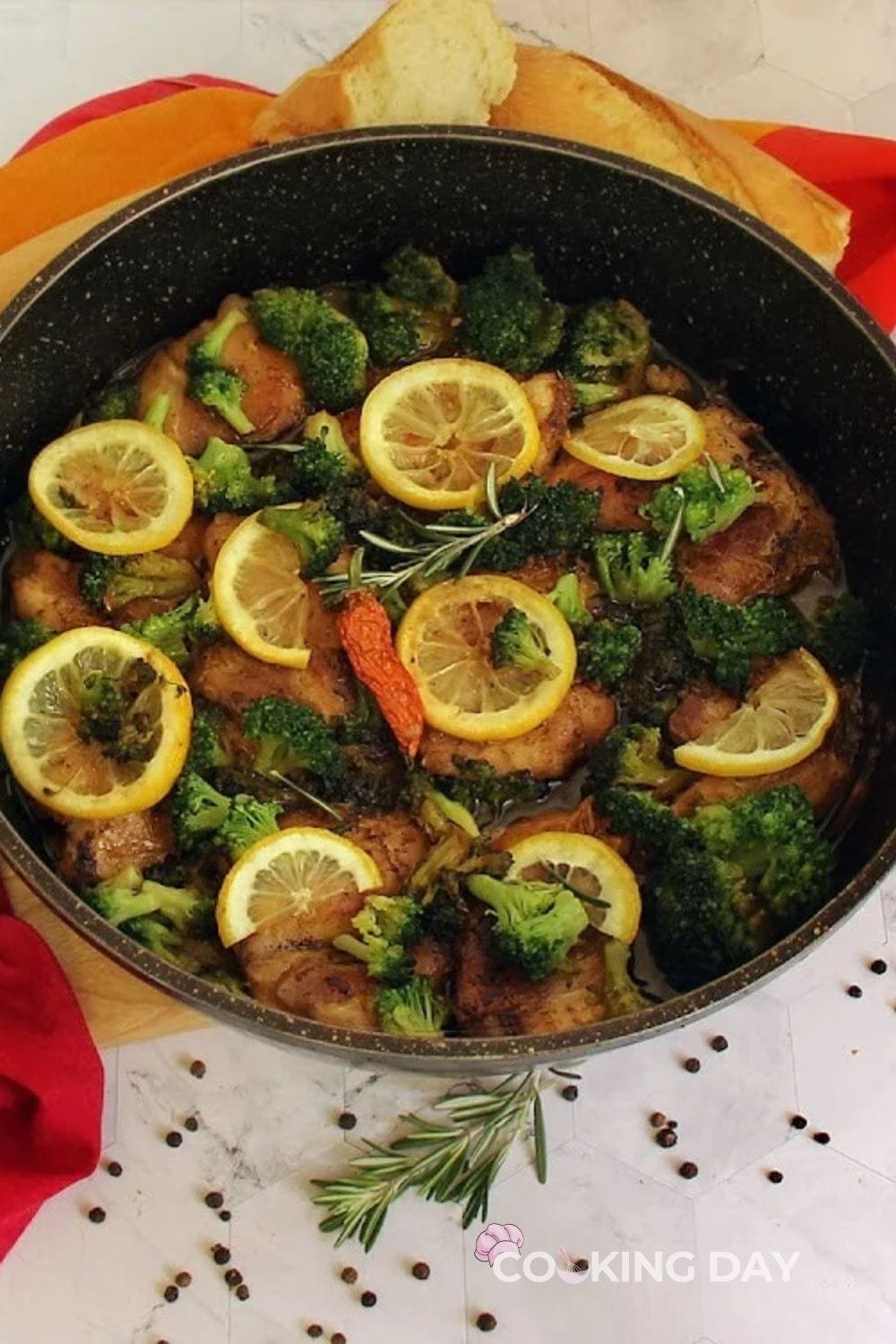
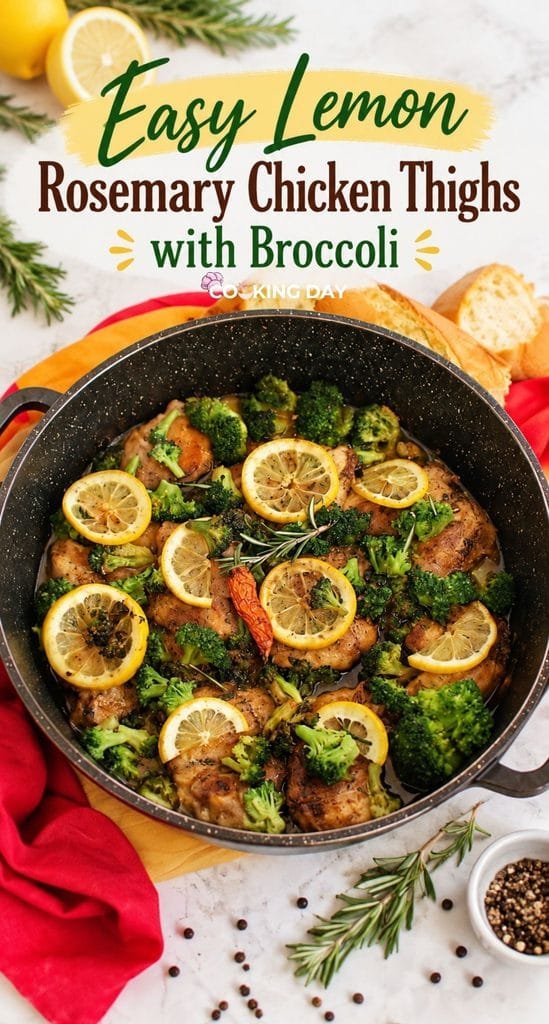
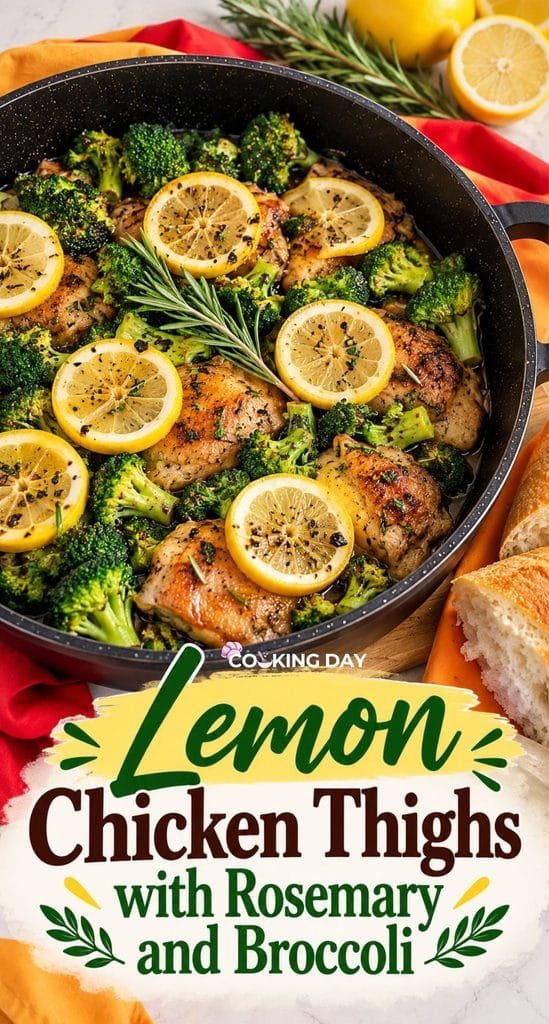
Some dinners look like they took much more effort than they actually did. These Lemon Rosemary Chicken Thighs with Broccoli are exactly that kind of meal.
Everything cooks in one skillet: juicy chicken thighs, tender broccoli, sweet shallots, fresh rosemary, and thin wedges of lemon. As the chicken finishes cooking, all those flavors mingle with the chicken stock and browned bits left in the pan, creating a simple sauce without needing cream, flour, or a long list of ingredients.
What I especially like about this recipe is how the lemon is used. Instead of adding only lemon juice at the end, thin wedges simmer right alongside the chicken. They soften as they cook and release citrus flavor into the sauce while the rosemary adds that unmistakable woodsy aroma.
The first time I made a skillet chicken dish like this, I was tempted to keep moving the chicken around while it browned. I learned quickly that leaving it alone is what gives you that beautiful golden surface. Once the chicken releases easily from the skillet, you know it’s ready to turn.
Then there are all those browned bits left behind. Don’t clean the pan or let them go to waste. Once the chicken stock hits the hot skillet, those little bits loosen and become part of the sauce.
Add broccoli, and you’ve got your protein, vegetables, and sauce all in the same pan.
Let me show you how to make it.
Why This Recipe Works
Browning the chicken first builds the foundation for the entire dish. As the thighs cook in butter, they leave behind flavorful browned bits that eventually become part of the pan sauce.
Boneless, skinless chicken thighs are particularly forgiving. They stay juicy during browning and hold up well during the second stage of cooking when they’re simmered with the sauce.
Shallots bring mild sweetness without overpowering the lemon and rosemary.
Fresh rosemary adds an earthy, aromatic flavor that works especially well with chicken. Because it simmers directly in the stock, its flavor spreads throughout the entire dish instead of sitting only on the surface of the meat.
The lemon wedges do something similar. As they soften, they gradually flavor the sauce.
Frozen broccoli also makes this recipe particularly convenient. There’s no need to thaw it first. It can go directly into the skillet and cook alongside the chicken.
And because everything happens in one pan, you’re building flavor instead of creating a pile of dishes.
Ingredients
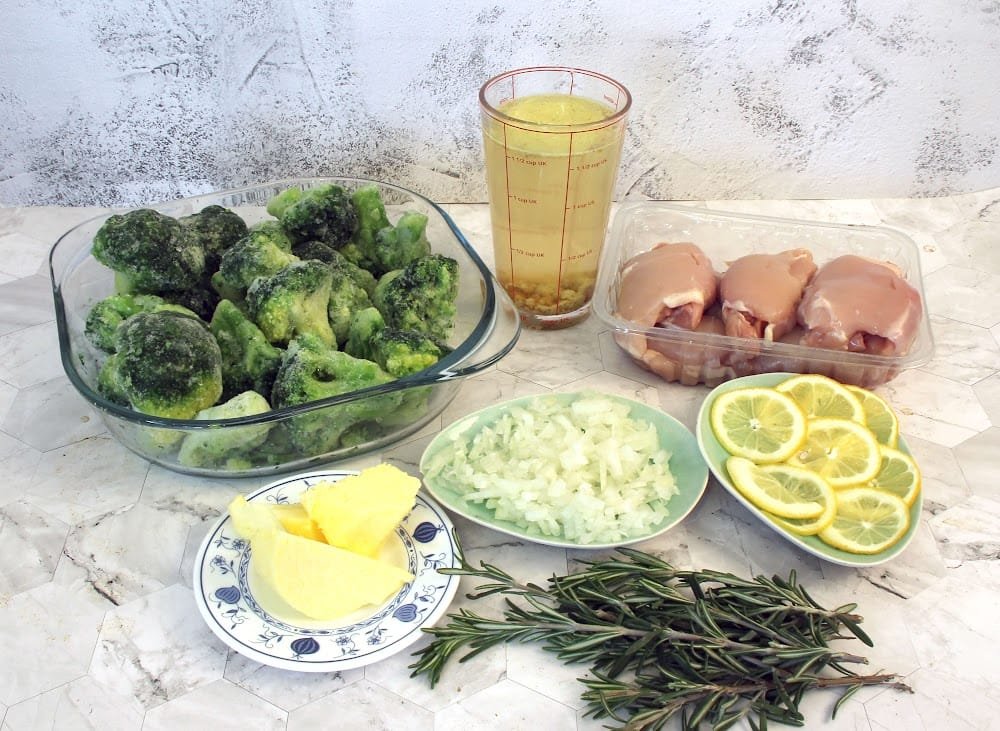
You only need a handful of ingredients for this easy skillet dinner.
Chicken
- 6 boneless, skinless chicken thighs
- Sea salt, to taste
- Freshly ground black pepper, to taste
- 3 tablespoons unsalted butter, divided
Vegetables and Pan Sauce
- 2 medium shallots, thinly sliced
- 1 cup chicken stock
- 1½ tablespoons fresh rosemary leaves, finely chopped
- 1 (16-ounce) bag frozen broccoli
- 1 medium lemon, thinly sliced and cut into small wedges
Because the lemon peel remains in the skillet, scrub the lemon thoroughly before slicing it. An unwaxed or organic lemon is a good choice when available.
Equipment
You don’t need much equipment for this recipe, which is another reason it works so well for weeknight cooking.
- Large skillet with a lid
- Cutting board
- Sharp knife
- Wooden spoon or spatula
- Measuring cups and spoons
- Instant-read meat thermometer
A skillet large enough to hold the chicken without crowding is important. If the thighs are packed tightly together, they’ll steam instead of developing that nicely browned exterior.
Step-by-Step Instructions
Step 1: Heat the Skillet
Add 2 tablespoons of butter to a large skillet over medium-high heat.
Once melted, swirl the butter around the skillet so the bottom is evenly coated.
Step 2: Season the Chicken
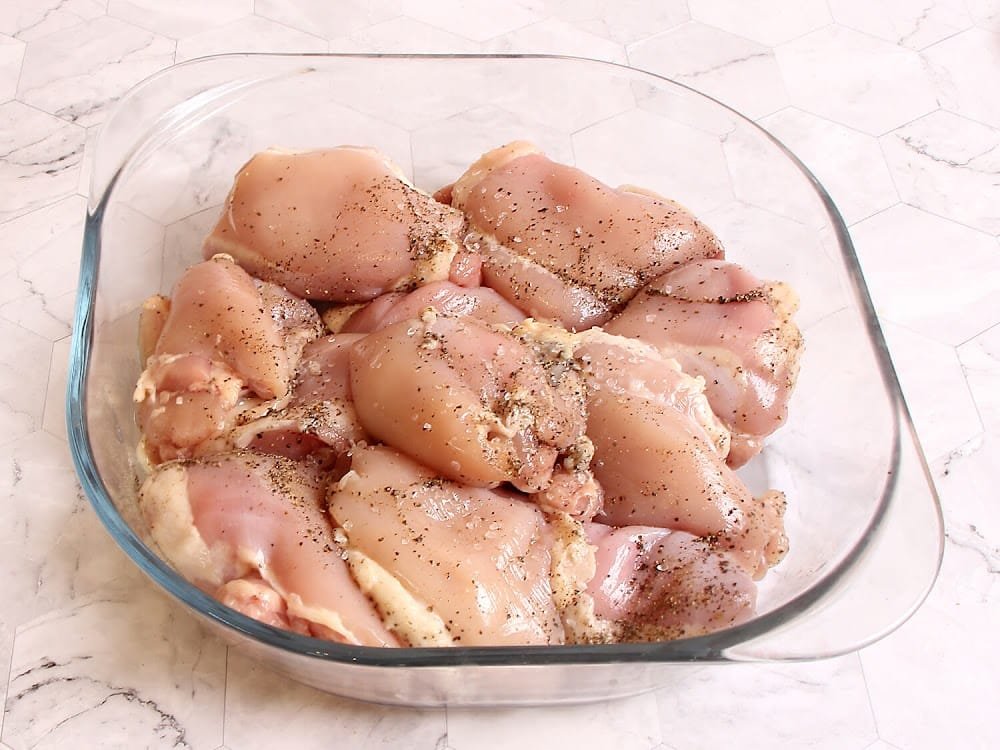
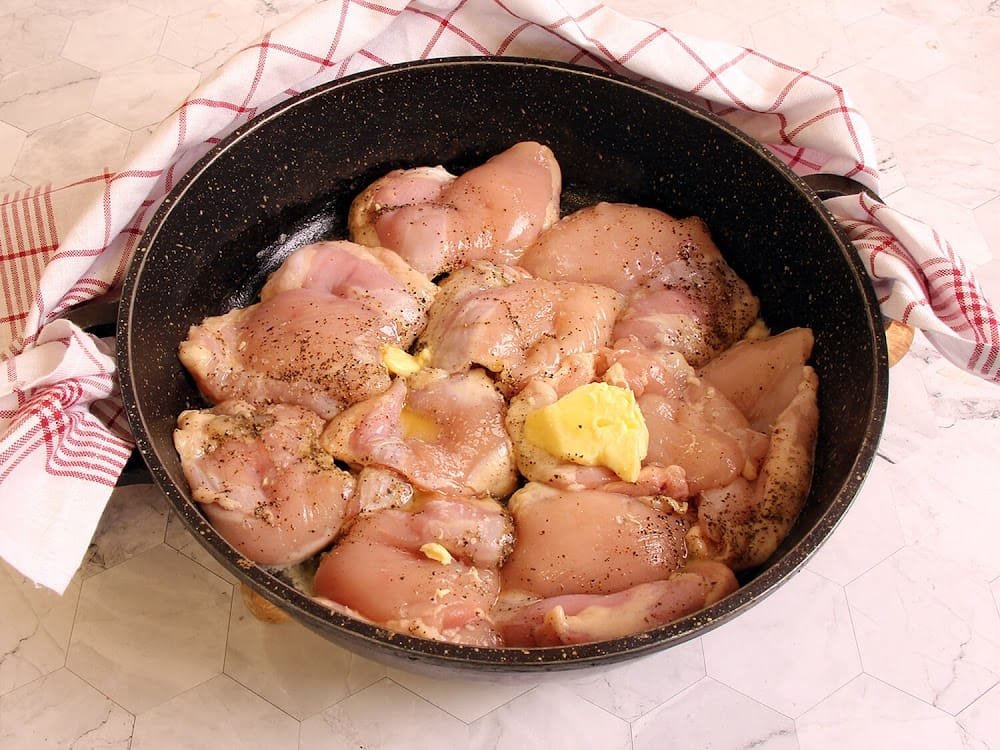
Open the boneless chicken thighs so they lie relatively flat.
Season both sides generously with salt and freshly ground black pepper.
Flattening them slightly helps create more contact with the hot skillet, which means better browning.
Step 3: Brown the Chicken
Arrange the chicken thighs in the hot skillet without overcrowding them.
Cook for approximately 4 to 5 minutes without constantly moving them around.
Once the underside is nicely browned and releases easily from the skillet, flip the chicken.
Cook for another 4 to 5 minutes on the second side.
At this point, the chicken doesn’t need to be completely cooked through. It will finish cooking later in the sauce.
Transfer the browned thighs to a plate and loosely cover them to keep warm.
Step 4: Cook the Shallots
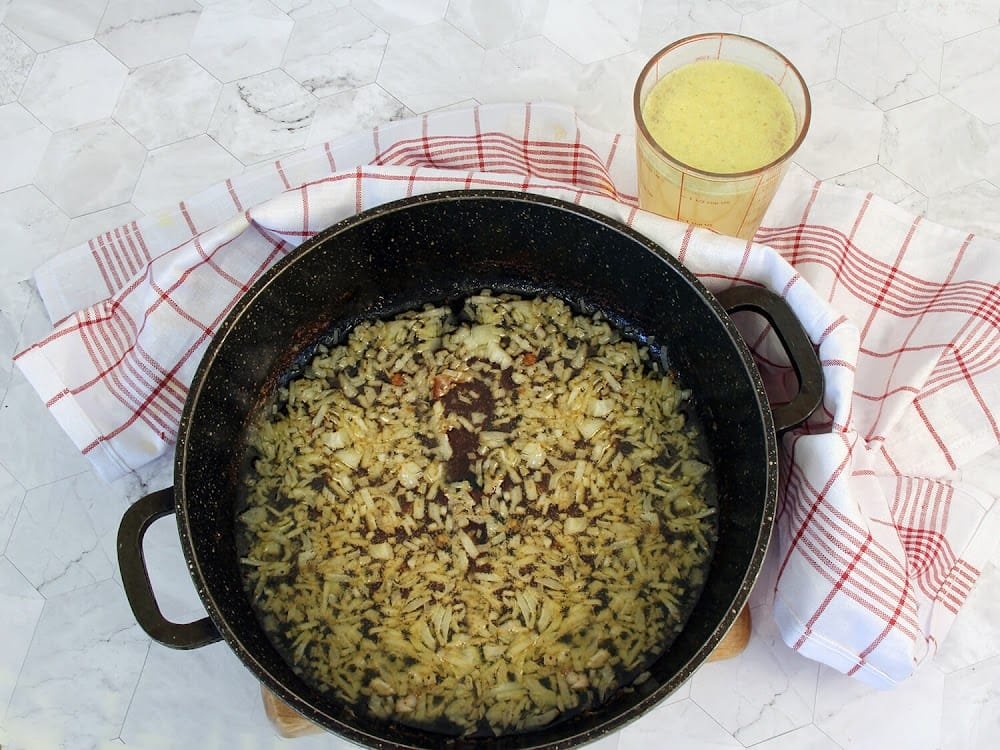
Reduce the heat to medium.
Add the remaining tablespoon of butter followed by the thinly sliced shallots.
Cook for 4 to 5 minutes, stirring occasionally, until the shallots soften and begin turning lightly golden.
Step 5: Deglaze the Skillet
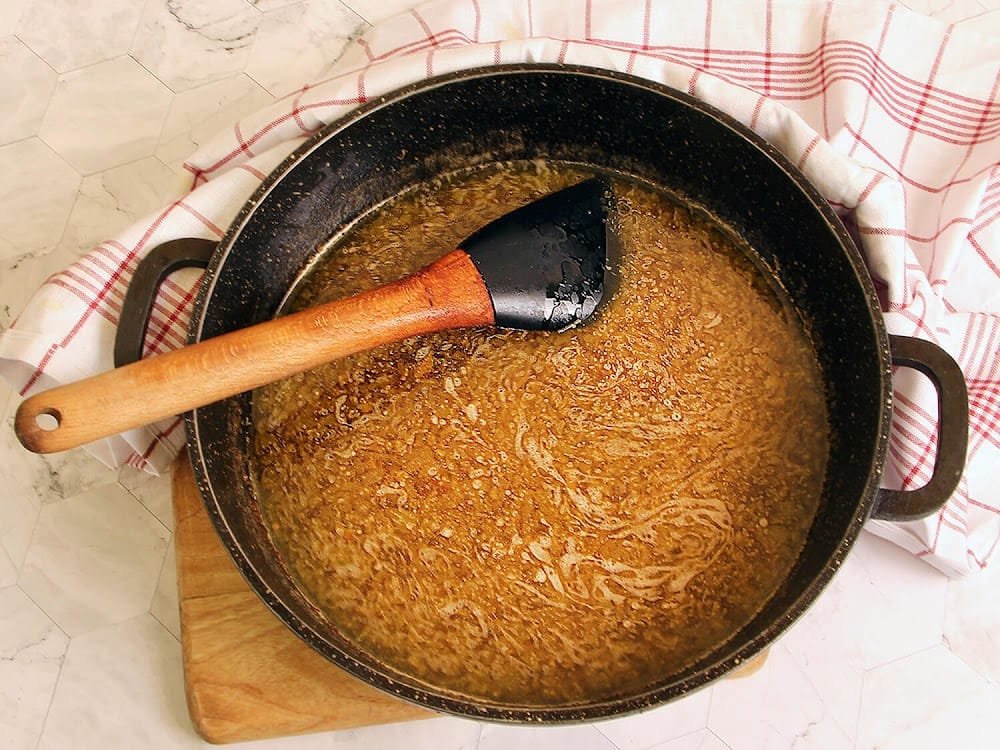
Pour in the chicken stock and increase the heat to medium-high.
As the stock heats, scrape the bottom of the skillet with a wooden spoon or spatula.
Those browned bits left behind by the chicken contain plenty of flavor, so make sure you work them into the liquid rather than leaving them stuck to the pan.
Step 6: Add the Rosemary
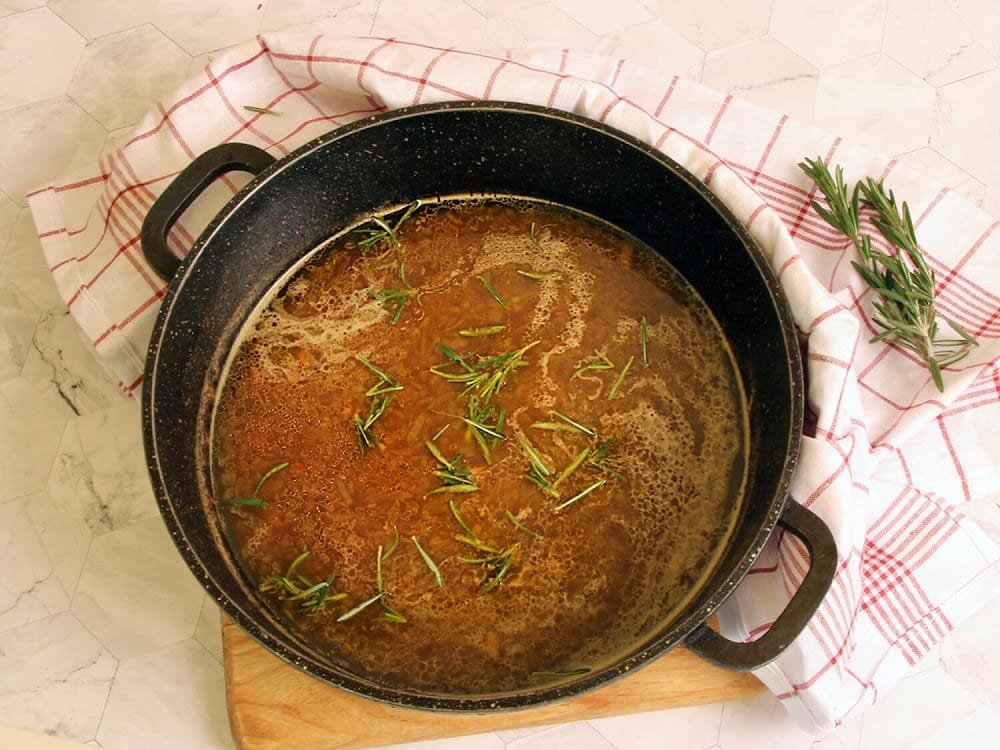
Stir the finely chopped fresh rosemary into the stock.
Allow the liquid to cook for about 4 to 5 minutes, stirring occasionally, until it has reduced by roughly half.
The sauce should become more concentrated and aromatic.
Step 7: Return the Chicken
Place the browned chicken thighs back into the skillet along with any juices that collected on the plate.
Those juices belong in the sauce too.
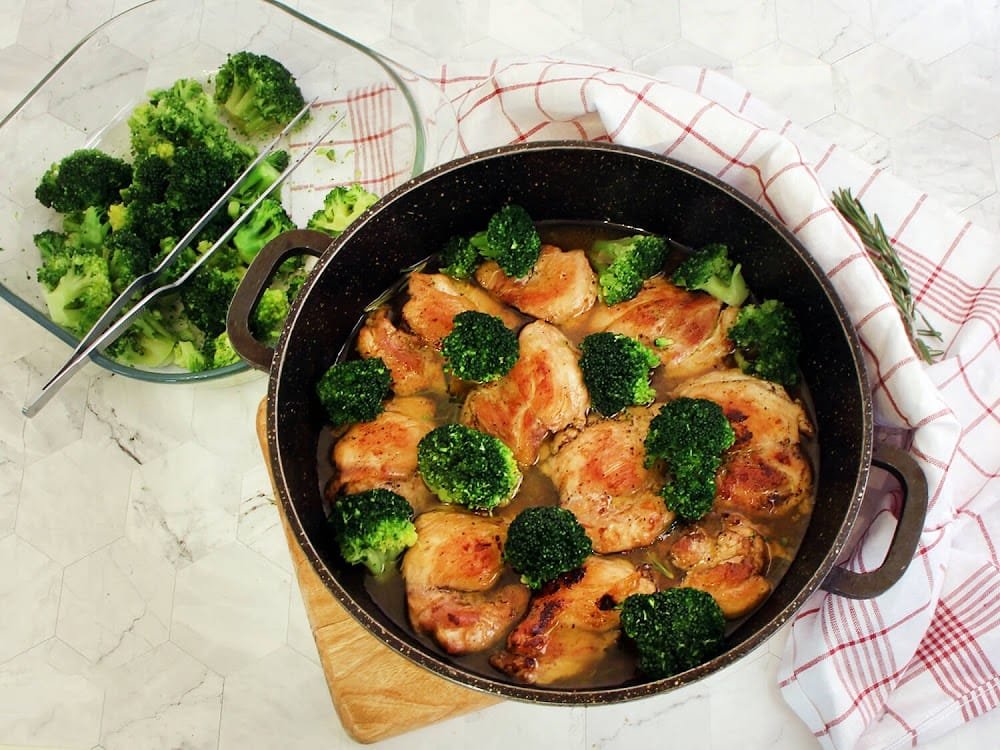
Step 8: Add the Broccoli and Lemon
Arrange the frozen broccoli and thin lemon wedges around the chicken.
There’s no need to thaw the broccoli first.
Cover the skillet and reduce the heat to medium-low.
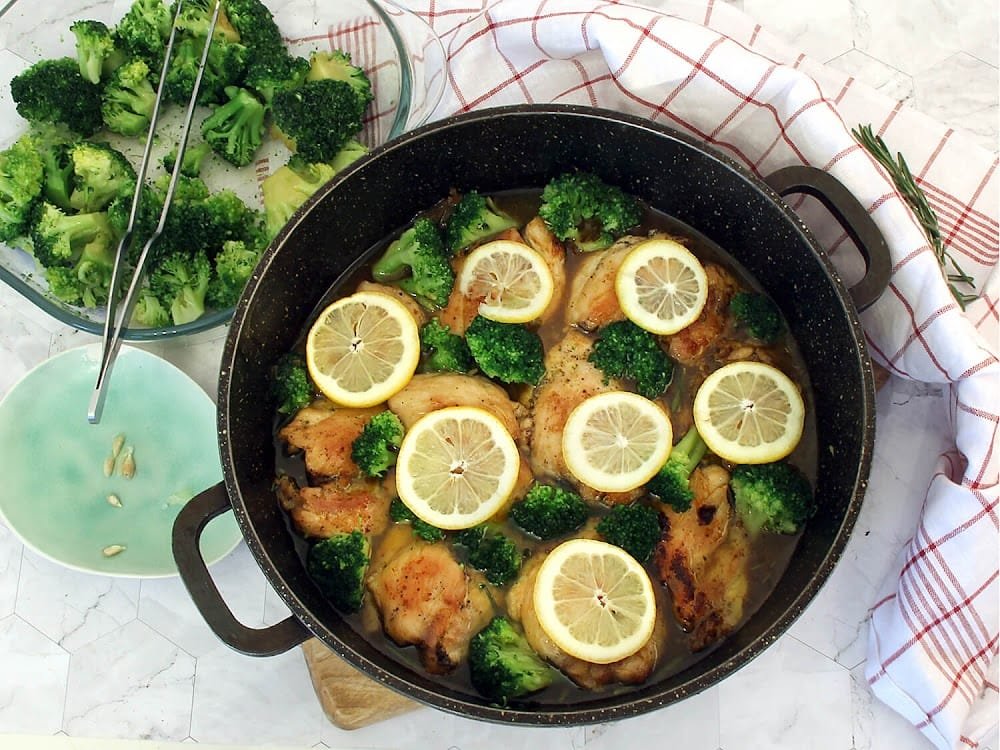
Step 9: Simmer Until Cooked
Allow everything to simmer gently for approximately 10 to 12 minutes.
During this time, the chicken finishes cooking, the broccoli becomes tender, and the lemon and rosemary flavor the pan sauce.
Check the thickest part of the chicken with an instant-read thermometer. It should reach at least 165°F (74°C).
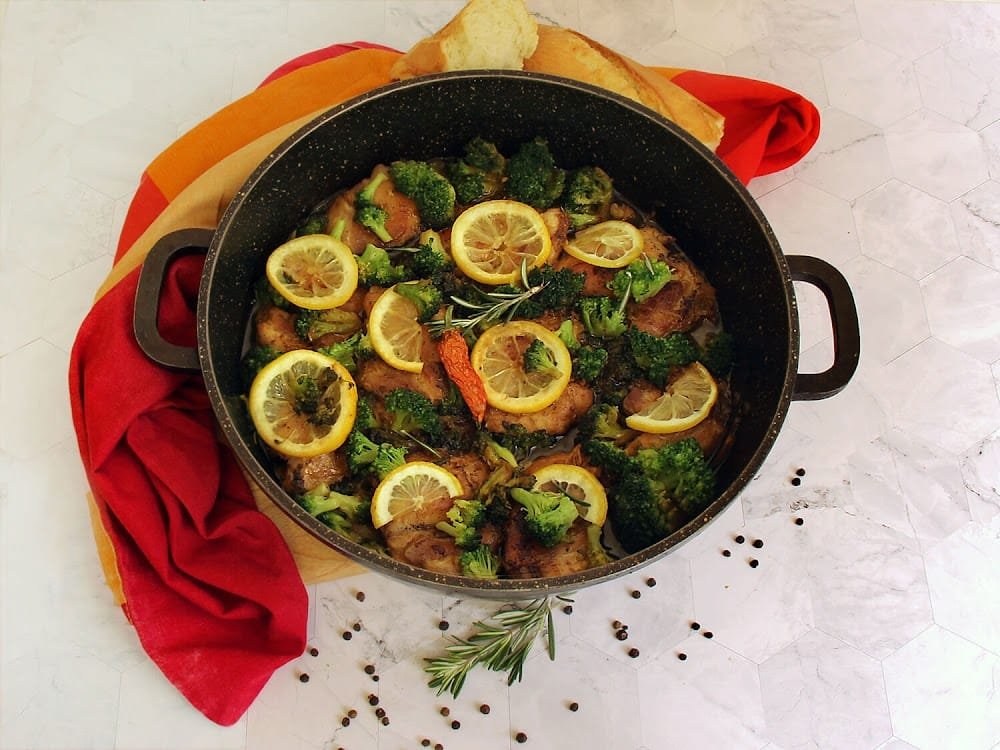
Step 10: Finish and Serve
Remove the skillet from the heat.
Taste the sauce and adjust the salt and black pepper if necessary.
Spoon some of the warm lemon-rosemary pan sauce over each chicken thigh and serve with plenty of broccoli.
Tips for the Best Recipe
Give the chicken enough room in the skillet. Browning works best when moisture can escape, so use a large pan rather than squeezing all the thighs into a small one.
Once the chicken hits the pan, resist the urge to move it constantly. Give it time to develop a golden surface. If it sticks when you try to turn it, it may simply need another minute.
Use fresh rosemary when possible. Dried rosemary has a stronger, more concentrated flavor and doesn’t provide quite the same fresh aroma.
Cut the lemon very thinly. Thick pieces of peel can remain tough and may contribute too much bitterness.
There’s no need to thaw the frozen broccoli. Adding it directly to the skillet keeps the recipe convenient and helps prevent the broccoli from becoming too soft before the chicken finishes cooking.
Finally, use a meat thermometer. Chicken thighs vary in thickness, so temperature is much more reliable than cooking time alone.
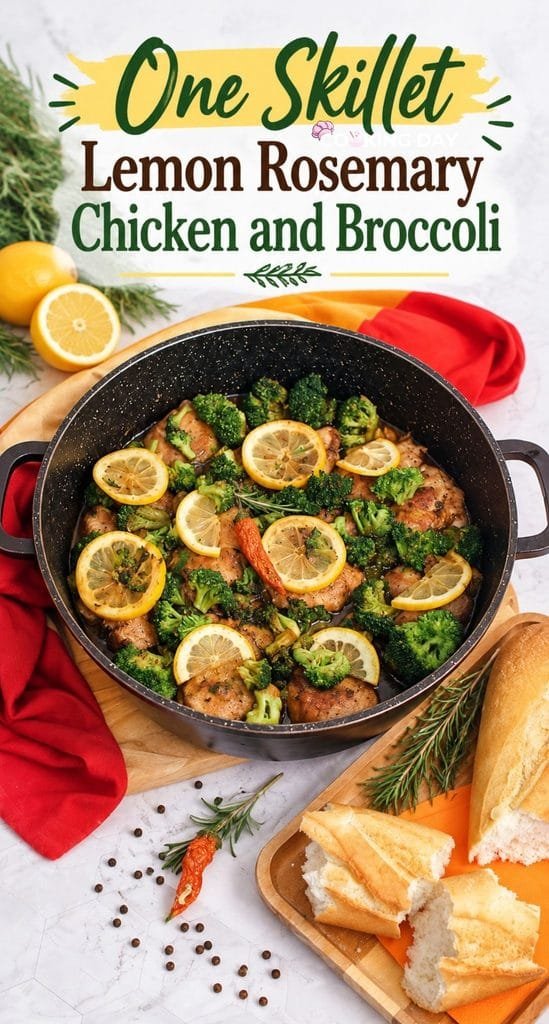
Common Mistakes to Avoid
Crowding the Skillet
When too many chicken thighs are packed into the pan, they release moisture faster than it can evaporate.
Instead of browning, the chicken begins steaming.
Use a sufficiently large skillet or brown the chicken in batches if necessary.
Fully Cooking the Chicken During Browning
Remember that browning is only the first cooking stage.
If you completely cook the chicken before making the sauce, it can become overcooked during the final simmer.
Throwing Away the Browned Bits
Those brown bits on the bottom of the skillet are flavor.
Pouring in the stock and scraping the pan incorporates them into your sauce.
Cutting the Lemon Too Thick
The lemon peel needs time to soften. Thin wedges work much better than thick slices and release their flavor more evenly.
Overcooking the Broccoli
You’re looking for broccoli that’s tender but still has some bite.
Once the chicken reaches a safe temperature and the broccoli is crisp-tender, the dish is ready.
Expert Tips
If you want even better browning, pat the chicken thighs dry with paper towels before seasoning them. Removing surface moisture helps them develop color faster.
Try to choose chicken thighs that are reasonably similar in thickness so they finish cooking around the same time.
When reducing the stock, watch the skillet rather than relying entirely on the clock. Pan size and heat level affect how quickly liquid evaporates.
If the sauce reduces too far, add a small splash of chicken stock before returning the chicken.
You can also taste the sauce before serving and decide whether it needs anything else. Because whole lemon wedges simmer in the pan, you may find that you don’t need additional lemon juice at all.
Variations
Garlic Lemon Rosemary Chicken
Add 2 to 3 minced garlic cloves during the final minute of cooking the shallots. Let the garlic become fragrant before adding the chicken stock.
Lemon Rosemary Chicken with Asparagus
Replace the broccoli with asparagus pieces. Add them later in the cooking process because asparagus generally cooks faster than frozen broccoli.
Chicken with Mushrooms
Sauté sliced mushrooms with the shallots before adding the stock. Their savory flavor works especially well with rosemary.
Creamy Lemon Rosemary Chicken
After the chicken has finished cooking, remove it briefly and stir a small amount of heavy cream into the pan sauce. Simmer gently until slightly thickened before returning the chicken.
Spicy Lemon Chicken
Add crushed red pepper flakes with the rosemary for a subtle kick of heat.
Ingredient Substitutions
Boneless, skinless chicken breasts can replace the thighs, but they tend to dry out more easily. Cut thick breasts into smaller portions and monitor their internal temperature carefully.
Fresh broccoli can replace frozen broccoli. Because it may cook more quickly, check it earlier.
Yellow onion can substitute for shallots, although its flavor is slightly stronger.
Chicken broth can be used in place of chicken stock.
If fresh rosemary isn’t available, dried rosemary can work, but use considerably less because its flavor is more concentrated.
Olive oil can replace some or all of the butter if preferred, although butter gives the pan sauce a richer flavor.
What to Serve With
This Lemon Rosemary Chicken with Broccoli already contains protein and vegetables, so it can easily stand on its own as a lighter dinner.
For a low-carb meal, serve it with cauliflower rice or zucchini noodles. Both are excellent for catching the lemon-rosemary pan sauce.
If you’re not watching carbohydrates, mashed potatoes, roasted potatoes, rice, couscous, or crusty bread are all good options. Something that absorbs the sauce is particularly useful because you don’t want to leave those flavorful pan juices behind.
A simple green salad also works when you want to keep the meal fresh and light or maybe try Broccoli Boost Smoothie.
Storage Instructions
Allow leftover chicken and broccoli to cool before transferring them to an airtight container.
Refrigerate for up to 3 days.
When reheating, place the chicken, broccoli, and sauce in a covered skillet over low to medium-low heat. Add a small splash of chicken stock if the sauce has thickened or reduced during refrigeration.
Heat gently until the chicken reaches 165°F (74°C).
The microwave can also be used, but reheating gently helps prevent the chicken from drying out and keeps the broccoli from becoming overly soft.
More Recipes to Try
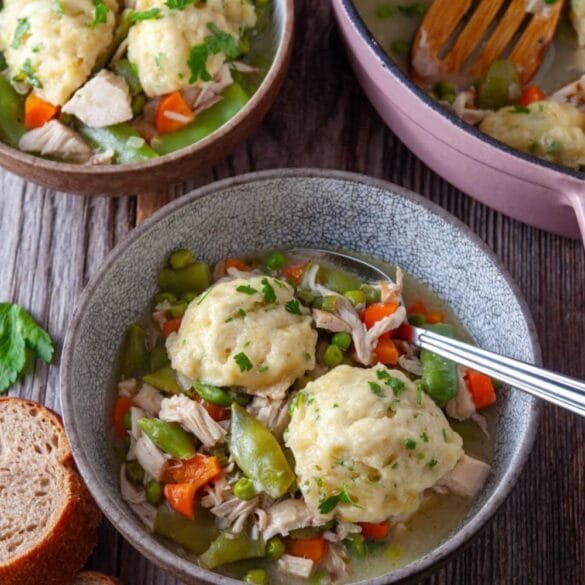
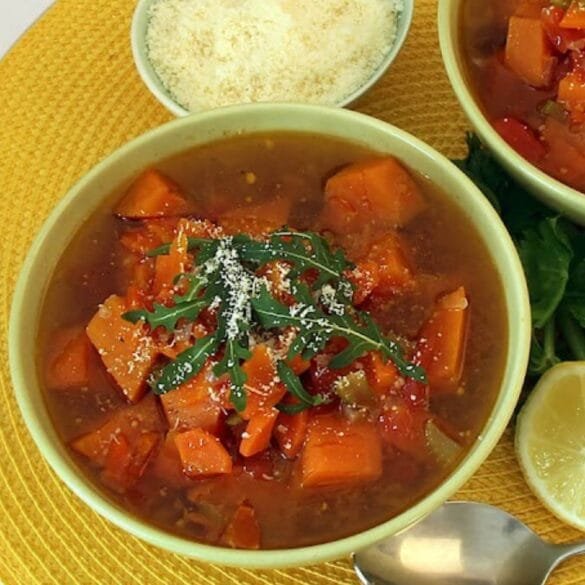
If you enjoy simple chicken dinners, try these Cooking Day recipes next:


The 15-Minute Keto Garlic Chicken with Broccoli and Spinach is especially worth trying if you want another easy chicken-and-broccoli dinner but prefer something creamy and cheesy instead of bright and lemony.
Final Thoughts
This Lemon Rosemary Chicken Thighs with Broccoli recipe is a good reminder that a flavorful dinner doesn’t need a complicated sauce or a long ingredient list.
Browning the chicken gives you those savory pan drippings. Shallots add sweetness. Fresh rosemary brings an earthy aroma, while thin lemon wedges brighten everything as they simmer. Even the frozen broccoli works in your favor by making the meal easier to put together.
But my favorite part may be the pan sauce. It isn’t heavy or overly creamy. It’s simply chicken stock reduced with rosemary, lemon, shallots, butter, and all those browned bits from the chicken.
Spoon that sauce over a juicy chicken thigh with some tender broccoli alongside it, and you have a complete one-skillet dinner in about 45 minutes.
Simple, practical, and full of fresh lemon-rosemary flavor—that’s exactly the kind of dinner worth keeping in your regular rotation.
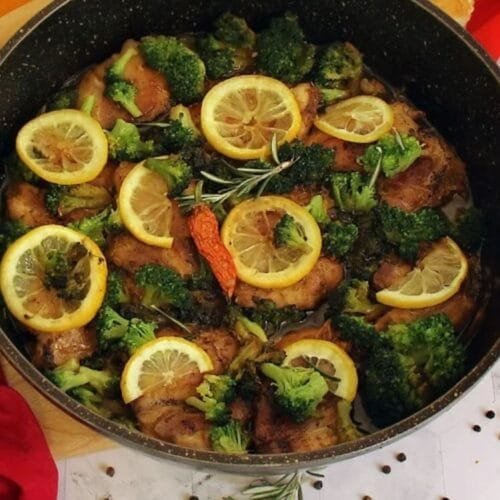
Lemon Rosemary Chicken Thighs with Broccoli

Equipment
- Large skillet with lid
- Cutting board
- Sharp knife
- Wooden spoon or spatula
- Measuring cups and spoons
- Instant-read meat thermometer
Ingredients
- 3 tablespoons unsalted butter divided
- 6 boneless skinless chicken thighs
- Sea salt to taste
- Freshly ground black pepper to taste
- 2 medium shallots thinly sliced
- 1 cup chicken stock
- 1½ tablespoons fresh rosemary leaves finely chopped
- 1 16-ounce bag frozen broccoli
- 1 medium lemon thinly sliced and cut into small wedges
Instructions
- Melt 2 tablespoons of the butter in a large skillet over medium-high heat. Swirl the butter around the pan to coat the bottom.
- Open the chicken thighs so they lie relatively flat, then season both sides with salt and black pepper.
- Arrange the chicken in the hot skillet without overcrowding the pan. Cook for 4 to 5 minutes per side, or until nicely browned and the chicken releases easily from the skillet.
- Transfer the browned chicken to a plate. Cover loosely to keep warm. The chicken does not need to be completely cooked at this stage because it will finish cooking in the sauce.
- Reduce the heat to medium. Add the remaining tablespoon of butter and the sliced shallots.
- Cook the shallots for 4 to 5 minutes, stirring occasionally, until softened and lightly golden.
- Pour the chicken stock into the skillet and increase the heat to medium-high.
- As the stock comes to a boil, scrape the bottom of the skillet with a wooden spoon or spatula to loosen the browned bits left from cooking the chicken.
- Stir in the chopped rosemary. Cook for 4 to 5 minutes, stirring occasionally, until the liquid has reduced by approximately half.
- Return the chicken thighs and any accumulated juices to the skillet.
- Add the frozen broccoli and thin lemon wedges around the chicken.
- Cover the skillet and reduce the heat to medium-low. Simmer for 10 to 12 minutes, or until the broccoli is crisp-tender and the chicken is fully cooked.
- Check the thickest part of the chicken with an instant-read thermometer. It should reach at least 165°F (74°C).
- Remove the skillet from the heat. Spoon some of the lemon-rosemary pan sauce over each chicken thigh and serve immediately.
Notes
- Thin lemon wedges work best because the peel softens as the dish simmers and releases more lemon flavor into the sauce.
- Because the lemon peel remains in the dish, scrub the lemon thoroughly before slicing. Organic or unwaxed lemons are a good option when available.
- Do not worry if the chicken is not fully cooked after browning. It finishes cooking when returned to the skillet with the broccoli and sauce.
- Frozen broccoli can be added directly to the skillet without thawing.
- Avoid overcooking the broccoli. It should be tender while still retaining a little bite.
- Chicken thighs vary in thickness, so use an instant-read thermometer rather than relying only on cooking time.
- Store leftovers in an airtight container in the refrigerator for up to 3 days. Reheat gently in a covered skillet with a small splash of chicken stock.