
Some links on this page are affiliate links. This means we may earn a commission at no additional cost to you if you click through and make a purchase, you can check our Affiliate Disclosure. Thank you for your support!
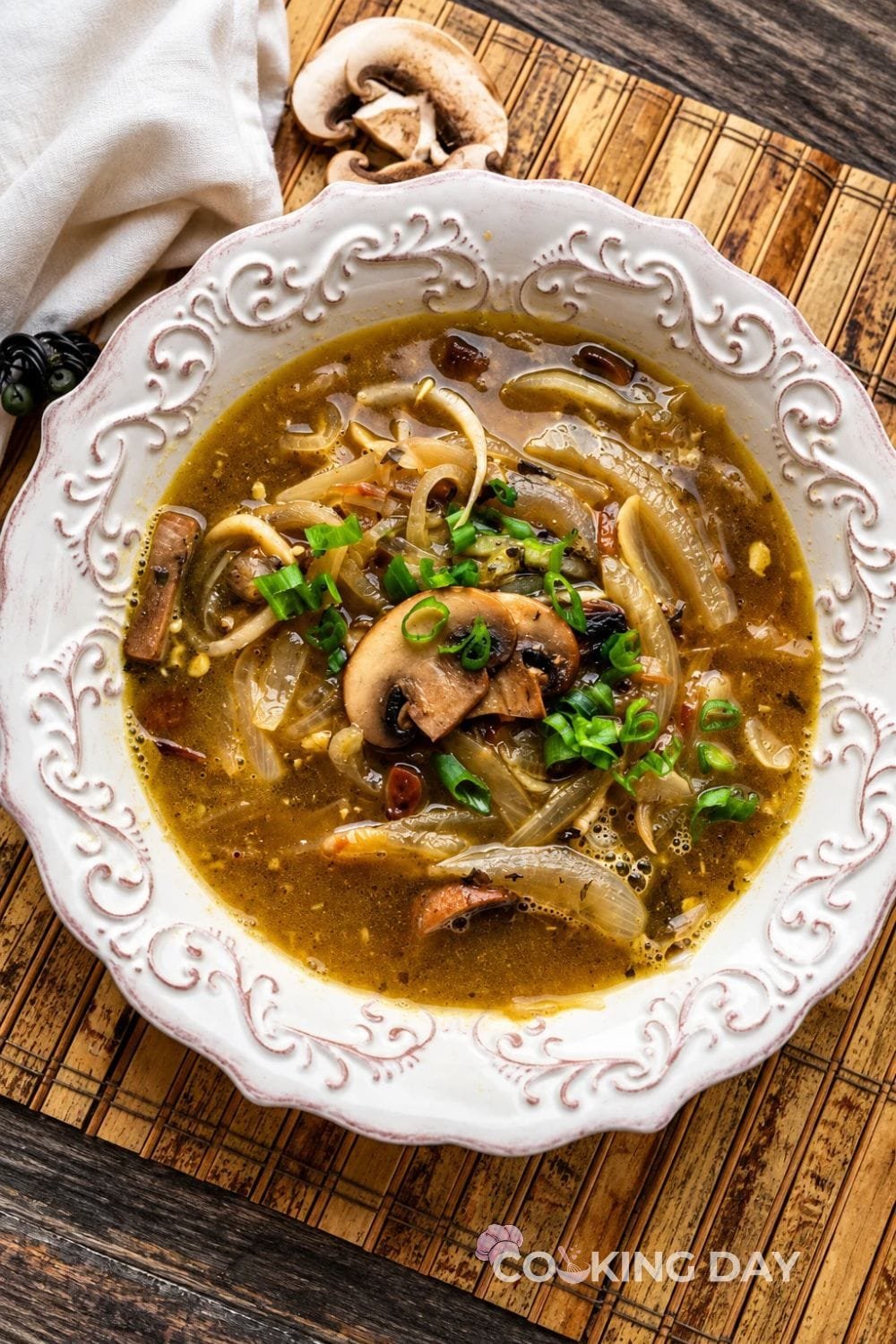
There is something especially comforting about a bowl of soup filled with long, tender noodles, but those noodles don’t always have to come from pasta. In this Daikon Noodle Soup, fresh daikon radish is spiralized into thin strands that soften in the broth while still keeping a pleasant bite.
The daikon may look like the star at first, but the real flavor starts much earlier with the onions. Instead of quickly sautéing them, we’re giving them plenty of time to slowly caramelize until they’re deeply golden, soft, and naturally sweet.
That little bit of patience makes a big difference.
Once vegetable stock hits the pan, all those flavorful browned bits from the onions become part of the broth. Baby portobello mushrooms add an earthy, savory flavor, while basil, oregano, and garlic round everything out.
Then the daikon noodles go in at the very end.
That’s important because daikon doesn’t need a long cooking time. About 5 to 6 minutes is enough to soften the strands without turning them into mush.
The result is a warm, vegetable-packed soup with sweet caramelized onions, savory mushrooms, and light radish noodles in every spoonful.
Let me show you how to make it.

Why This Recipe Works
The biggest flavor-building step in this soup is caramelizing the onions.
Cooking onions slowly for 45 to 50 minutes allows their natural sugars to develop, giving the broth a deeper sweetness and complexity than you’d get from simply cooking them until translucent.
Deglazing the pan afterward is equally important. Vegetable stock loosens all those browned bits stuck to the bottom, bringing that concentrated onion flavor directly into the soup.
Mushrooms add another savory layer. Baby portobello mushrooms have a deeper flavor than many lighter mushroom varieties, making them especially good in a meatless broth.
Then there is the daikon.
Daikon has a mild radish flavor that becomes even gentler once cooked. Spiralizing it creates long strands that are easy to twirl and slurp like noodles, but they remain much lighter than traditional pasta.
Adding those noodles near the end also gives you better control over their texture.
Ingredients
For the Daikon Noodles
- 4-inch piece daikon radish
For the Soup
- 3 small white onions, or 2 medium onions
- 3 tablespoons coconut oil
- 3 tablespoons vegetable stock, plus more if needed for deglazing
- Sea salt, to taste
- Freshly ground black pepper, to taste
- 8 ounces baby portobello mushrooms, thinly sliced
- 2 teaspoons dried basil
- 2 teaspoons dried oregano
- 1 teaspoon garlic powder
- 32 ounces vegetable stock
Optional Garnish
- 3 green onions, green parts only, thinly sliced
Equipment
A vegetable spiralizer is the most important piece of equipment for creating the noodle-like daikon strands.
You’ll need:
- Vegetable peeler
- Vegetable spiralizer
- Kitchen scissors
- Cutting board
- Sharp knife
- Large heavy-bottomed skillet or Dutch oven
- Wooden spoon
- Ladle
A heavy-bottomed pan is especially useful because the onions cook for quite a while. It distributes heat more evenly and makes it easier to develop caramelization without scorching them.
Step-by-Step Instructions
Step 1: Peel the Daikon
Use a vegetable peeler to remove the outer skin from the daikon.
A fresh daikon should feel firm and heavy for its size without noticeably soft or shriveled areas.
Step 2: Spiralize the Daikon
Fit your spiralizer with its smallest noodle blade.
Run the peeled daikon through the spiralizer to create long, thin strands.
Depending on the spiralizer, some noodles can become surprisingly long.
Use kitchen scissors to cut especially long strands into approximately 10 to 12-inch sections. They’ll be much easier to eat later.
Spread the noodles over clean paper towels while you prepare the rest of the soup. This helps absorb some of their excess surface moisture.
Step 3: Prepare the Onions
Trim the ends from the onions and remove the papery skins.
Cut each onion in half lengthwise and then across the middle. Slice the sections lengthwise into strips.
Avoid making the slices paper-thin. Because the onions will cook for 45 to 50 minutes, slightly thicker pieces are less likely to burn before they’re properly caramelized.
Step 4: Begin Caramelizing
Melt the coconut oil in a large heavy-bottomed skillet or Dutch oven over medium heat.
Add the sliced onions and stir until they’re evenly coated with the oil.
Let them cook slowly.
Step 5: Continue Until Deeply Golden
Cook the onions for approximately 45 to 50 minutes, stirring about every 5 minutes.
As they cook, they’ll gradually soften, shrink, and change from pale white to golden brown.
Don’t try to rush this stage by dramatically increasing the heat.
If the onions begin sticking or darkening too quickly, lower the heat slightly.
You’re looking for soft, deeply golden onions with a naturally sweet aroma, not crispy or burnt pieces.
Step 6: Deglaze the Pan
Once the onions are caramelized, pour in 3 tablespoons of vegetable stock.
Use a wooden spoon to scrape the bottom of the pan.
You’ll probably notice dark golden bits stuck to the surface. Those are full of flavor, so work them into the liquid rather than leaving them behind.
If necessary, add another small splash of stock.
Season lightly with salt and freshly ground black pepper.
Step 7: Add the Mushrooms
Add the sliced baby portobello mushrooms to the caramelized onions.
Stir in the dried basil, dried oregano, and garlic powder.
Cook for approximately 5 minutes, stirring occasionally.
The mushrooms should soften and release some of their moisture.
Step 8: Add the Broth
Pour in the remaining vegetable stock and stir everything together.
Reduce the heat to medium-low.
Let the soup simmer gently for 10 to 15 minutes so the mushroom, caramelized onion, and herb flavors have time to develop throughout the broth.
Step 9: Add the Daikon Noodles
Increase the heat to medium and add the spiralized daikon.
Gently stir the noodles into the broth.
Cook for approximately 5 to 6 minutes.
You’re looking for tender strands that still retain a slight bite.
Step 10: Taste and Serve
Taste the broth and adjust the salt and black pepper as needed.
Ladle the hot soup into bowls, making sure every serving gets plenty of daikon noodles, mushrooms, and caramelized onions.
Finish with thinly sliced green onions if desired and serve immediately.

Tips for the Best Daikon Noodle Soup
Choose the freshest daikon you can find. A firm radish produces stronger, more defined spiralized noodles than one that’s beginning to soften.
Don’t make the onion slices too thin. They need to withstand almost an hour of slow cooking.
Give the onions time. This isn’t the step to rush. Proper caramelization provides much of the soup’s flavor.
Keep an eye on the pan as the onions cook. Caramelization should happen gradually. If they’re becoming dark around the edges too quickly, lower the heat.
Don’t discard the browned bits left in the pan. Deglazing turns them into part of the broth.
Add the daikon noodles last. They only need a few minutes of cooking.
And taste before serving. Vegetable stocks vary considerably in saltiness, so it’s better to adjust the seasoning at the end than add too much salt early.
Common Mistakes to Avoid
Rushing the Caramelized Onions
Turning up the heat may seem like an easy way to save time, but there’s a difference between caramelized onions and burnt onions.
Keep the heat moderate and allow the onions to slowly become golden and sweet.
Slicing the Onions Too Thinly
Very thin onion pieces can burn during the long caramelization process.
Give them enough thickness to soften gradually without becoming crisp.
Ignoring the Bottom of the Pan
Those browned bits aren’t something you need to clean away.
They’re concentrated flavor.
Use the vegetable stock and your wooden spoon to incorporate them into the soup.
Overcooking the Daikon
This is probably the easiest way to lose the noodle-like quality you’re trying to create.
Daikon softens quickly in hot broth. Start checking the texture after about 5 minutes.
Adding Too Much Salt Early
The broth becomes more concentrated as it simmers.
Season lightly at first, then make your final adjustment before serving.
Expert Tips
The first time you make spiralized daikon noodles, cut a few strands after cooking and taste them before deciding whether they need more time.
The ideal texture is personal. Some people prefer very tender vegetable noodles, while others want more bite.
For the onions, use their appearance and aroma as your guide rather than relying entirely on the clock. Different pans and stovetops can change the caramelization time.
If your onions start sticking before they’re fully caramelized, you can add a very small splash of stock to loosen them. Don’t add too much at once because you don’t want to steam them.
For a clearer broth, keep the soup at a gentle simmer instead of allowing it to boil aggressively.
And if you’re making the soup for guests, spiralize the daikon before you start caramelizing the onions. Once the soup base is ready, everything else comes together quickly.
Variations
Spicy Daikon Noodle Soup
Add crushed red pepper flakes or a thinly sliced fresh chili with the mushrooms.
Extra Mushroom Daikon Soup
Use a combination of cremini, shiitake, and oyster mushrooms for a deeper mushroom flavor and more interesting texture.
Ginger Daikon Noodle Soup
Add freshly grated ginger with the mushrooms for a warmer, more aromatic broth.
Garlic Mushroom Version
Replace the garlic powder with freshly minced garlic. Add it during the final minute of cooking the mushrooms so it becomes fragrant without burning.
Greens and Daikon Soup
Stir baby spinach or chopped bok choy into the broth shortly before adding the daikon noodles.
The greens will wilt quickly and add another vegetable to the soup without requiring much additional cooking time.
Ingredient Substitutions
Baby portobello mushrooms can be replaced with cremini mushrooms. They’re essentially the same type of mushroom sold at a different stage or under different labeling.
White button mushrooms also work, although their flavor is somewhat milder.
Olive oil can replace the coconut oil if preferred.
Fresh garlic can replace garlic powder. Start with 2 to 3 minced cloves and adjust according to taste.
If you don’t have white onions, yellow onions are an easy substitute and caramelize beautifully.
Fresh herbs can also replace the dried basil and oregano. Because fresh herbs are less concentrated, you’ll generally want to use more.

What to Serve With
Daikon Noodle Soup can be served as a light main course, especially when you want something warm without a particularly heavy meal.
For something more substantial, serve it with crispy tofu or another simple plant-based protein.
A cucumber salad or lightly dressed green salad provides a fresh contrast to the deeply caramelized flavors in the soup.
Crusty bread is another option if you’re not trying to keep the meal lighter. It’s particularly good for soaking up the mushroom and caramelized onion broth left at the bottom of the bowl.
Storage Instructions
Allow leftover soup to cool before transferring it to an airtight container.
Store it in the refrigerator for up to 3 days.
Keep in mind that the daikon noodles will continue absorbing liquid and softening as the soup sits. They’ll still taste good, but their texture won’t be quite as noodle-like as it was when freshly cooked.
Reheat the soup gently in a saucepan over medium-low heat until steaming hot.
If you know you’re preparing the soup specifically for leftovers, you can keep the uncooked spiralized daikon separate and add fresh noodles to each portion while reheating. This gives you better control over their texture.
More Recipes to Try
If you enjoy warm, vegetable-packed soups and lighter comfort food, try these Cooking Day recipes next:



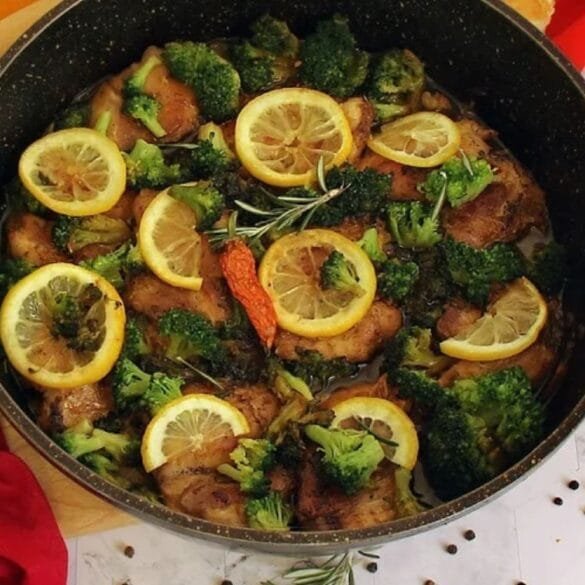
The Sweet Potato Vegetable Soup is an especially good choice when you want another vegetable-forward bowl with plenty of color and comforting flavor.
Final Thoughts
This Daikon Noodle Soup is a little different from the usual vegetable soup, and that’s exactly what makes it interesting.
Spiralized daikon gives you long, tender strands that feel surprisingly noodle-like, while mushrooms make the broth more savory and satisfying.
But the ingredient that quietly transforms the entire pot is the onion.
Giving those onions 45 to 50 minutes to slowly caramelize may feel like a long time for such a simple ingredient, but it’s worth it. Their sweetness becomes the foundation for the mushrooms, herbs, vegetable broth, and mild daikon noodles that follow.
Then, once the broth is ready, the daikon needs only a few minutes.
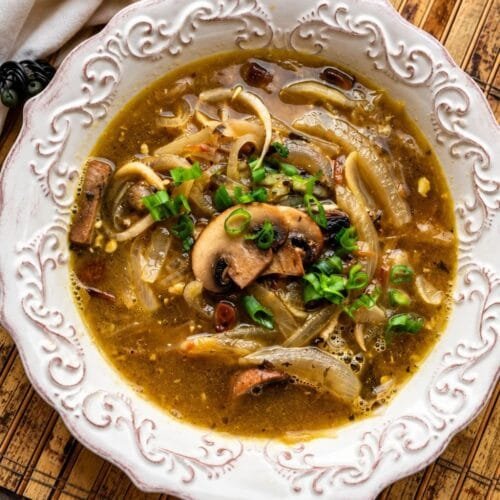
The result is a warm bowl filled with tender vegetable noodles, earthy mushrooms, deeply caramelized onions, and plenty of savory broth.
It’s simple vegetable cooking, just with a clever noodle-like twist.
Daikon Noodle Soup

Equipment
- Vegetable peeler
- Vegetable spiralizer
- Kitchen scissors
- Cutting board
- Sharp knife
- Large heavy-bottomed skillet or Dutch oven
- Wooden spoon
- Ladle
Ingredients
- 4- inch piece daikon radish
- 3 small white onions or 2 medium onions
- 3 tablespoons coconut oil
- 3 tablespoons vegetable stock plus more if needed for deglazing
- Sea salt to taste
- Freshly ground black pepper to taste
- 8 ounces baby portobello mushrooms thinly sliced
- 2 teaspoons dried basil
- 2 teaspoons dried oregano
- 1 teaspoon garlic powder
- 32 ounces vegetable stock
Optional Garnish
- 3 green onions green parts only, thinly sliced
Instructions
Prepare the Daikon Noodles
- Peel the daikon radish with a vegetable peeler.
- Using the smallest blade on a vegetable spiralizer, cut the daikon into long, thin noodle-like strands.
- Use kitchen scissors to trim especially long strands into approximately 10 to 12-inch lengths. This makes the noodles easier to eat.
- Spread the daikon noodles over clean paper towels and set aside while preparing the soup. The towels will help absorb excess moisture.
Caramelize the Onions
- Trim the ends from the onions and remove the papery skins. Cut each onion in half lengthwise, then cut each half across the middle. Slice the sections lengthwise into strips. Avoid slicing them too thinly because they can burn during the long caramelization process.
- Melt the coconut oil in a large heavy-bottomed skillet or Dutch oven over medium heat.
- Add the onions and stir until evenly coated with the coconut oil.
- Cook for approximately 45 to 50 minutes, stirring about every 5 minutes, until the onions are deeply golden, soft, and caramelized.
- If the onions begin sticking or browning too quickly, reduce the heat slightly.
Deglaze the Pan
- Add 3 tablespoons of vegetable stock to the caramelized onions.
- Use a wooden spoon to scrape the browned bits from the bottom of the pan. Add another small splash of stock if necessary.
- Season the onions with salt and black pepper to taste.
Add the Mushrooms and Herbs
- Add the sliced mushrooms, dried basil, dried oregano, and garlic powder.
- Cook for approximately 5 minutes, stirring occasionally, until the mushrooms soften.
Finish the Soup
- Pour in the remaining vegetable stock and stir to combine.
- Reduce the heat to medium-low and simmer for 10 to 15 minutes to allow the flavors to develop.
- Increase the heat to medium and add the spiralized daikon noodles.
- Cook for another 5 to 6 minutes, or until the daikon noodles are tender but still have a slight bite.
- Taste the broth and adjust with additional salt and black pepper as needed.
- Ladle the soup into bowls and garnish with sliced green onions, if desired. Serve hot.
Notes
- Choose a firm, fresh daikon radish without soft spots for the best noodle texture.
- Don’t overcook the daikon noodles. They should become tender while retaining enough structure to resemble noodles.
- The onions require patience. Slowly caramelizing them for 45 to 50 minutes develops much more flavor than simply sautéing them until soft.
- A heavy-bottomed stainless steel or cast-iron pan works particularly well for caramelizing the onions and developing the browned bits that flavor the broth.
- Baby bella or cremini mushrooms can be used in place of baby portobello mushrooms.
- If you prefer shorter noodles, cut the spiralized daikon into smaller sections before cooking.
- Store leftover soup in an airtight container in the refrigerator for up to 3 days. The daikon noodles will continue to soften as they sit.